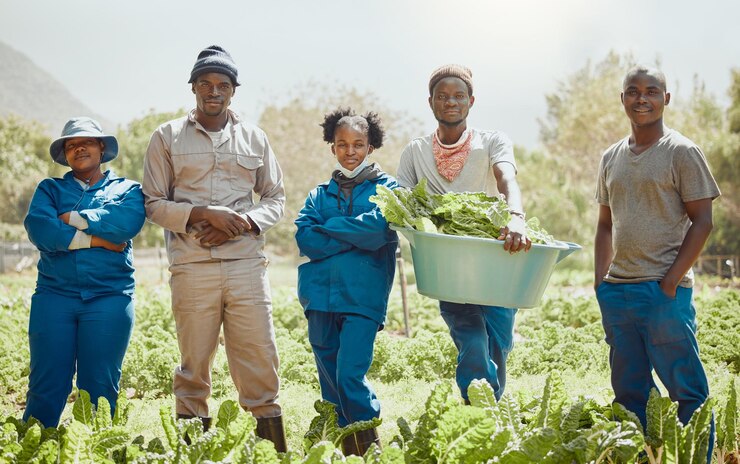
Labour is one of the biggest costs and challenges in South African farming. Finding, training, and keeping reliable workers can determine whether a farm succeeds or struggles. Managing labour well requires understanding legal obligations, building a motivated team, and creating a safe, productive work environment.
1. Understand Labour Laws and Compliance
Before hiring anyone, make sure your farm complies with South African labour laws. The Basic Conditions of Employment Act (BCEA) sets out rules for working hours, minimum wages, leave, and notice periods. Agricultural workers are also covered under the Sectoral Determination for Farm Workers, which defines pay rates and working conditions specific to farming.
You must also register with:
- The Department of Labour for employment compliance.
- The Unemployment Insurance Fund (UIF) to provide benefits for workers who lose their jobs.
- The Compensation Fund for workplace injury coverage.
Failure to comply can lead to fines or lawsuits. Always provide written contracts outlining duties, wages, and terms of employment.
2. Hire the Right Workers for the Job
Hiring well starts with clear role definitions. Identify the skills and experience required for each position—tractor drivers, irrigators, herders, pickers, or general labourers.
Practical hiring tips:
- Recruit locally to reduce transport costs and strengthen community ties.
- Check references and previous farm experience.
- Conduct a short skills test, such as operating equipment or handling livestock.
- Use seasonal contracts during harvest or planting periods, but ensure they meet legal requirements.
Treat recruitment as an investment. A skilled worker who stays for several seasons will save time and training costs in the long run.
3. Train and Upskill Workers Regularly
Agricultural work today requires more than physical labour. Workers need training on equipment handling, biosecurity, and climate-smart practices.
Offer short, practical training sessions on:
- Safety and first aid.
- Machinery maintenance.
- Animal handling and welfare.
- Pesticide and chemical use.
- Recordkeeping and farm hygiene.
Training not only boosts productivity but also builds loyalty. Workers who see opportunities to learn are less likely to leave for another farm.
4. Build Motivation and Accountability
A motivated team delivers better results. Create a fair and transparent system that rewards good performance.
Simple ways to motivate staff:
- Recognize top performers monthly or seasonally.
- Provide small incentives like grocery vouchers or farm produce.
- Involve workers in planning, especially when solving daily challenges.
- Encourage teamwork by setting group goals for planting, harvesting, or maintenance.
Regular feedback is essential. Hold short weekly meetings to discuss progress, address issues, and clarify expectations. This prevents small problems from becoming major disputes.
5. Prioritize Health, Safety, and Living Conditions
Farming can be physically demanding and risky. Safe working conditions protect both workers and the business.
Key practices include:
- Providing protective clothing, gloves, and masks for handling chemicals or machinery.
- Ensuring housing, if provided, meets basic health standards with access to clean water and sanitation.
- Offering first-aid kits and emergency plans for accidents or injuries.
- Scheduling regular rest breaks during hot or strenuous work.
Healthy, safe workers are more productive and dependable.
6. Manage Labour Costs Effectively
Wages make up a large portion of farm expenses. Managing them well requires balancing fairness with profitability.
Monitor hours worked and productivity levels. Use timesheets or digital attendance systems to ensure accuracy. Avoid excessive overtime, which increases costs and leads to worker fatigue.
Mechanization can reduce labour demand, but it should complement—not replace—skilled human labour. Many successful farms combine small-scale mechanization with efficient labour organization.
7. Maintain Good Relationships with Workers
A respectful workplace fosters loyalty. Be approachable and consistent in how you treat all workers. Communicate decisions clearly, pay wages on time, and resolve disputes fairly.
Where possible, celebrate milestones together—such as the end of harvest or a good season. These gestures build trust and strengthen team spirit.
Hiring and managing labour on a South African farm requires more than compliance. It demands planning, fairness, and communication. When you invest in your people—through training, safety, and motivation—you improve productivity and reduce turnover. Strong management creates not only a stable workforce but also a more profitable and sustainable farm.
Join 'Farmers Mag' WhatsApp Channel
Get the latest Farming news and tips delivered straight to your WhatsApp
CLICK HERE TO JOIN