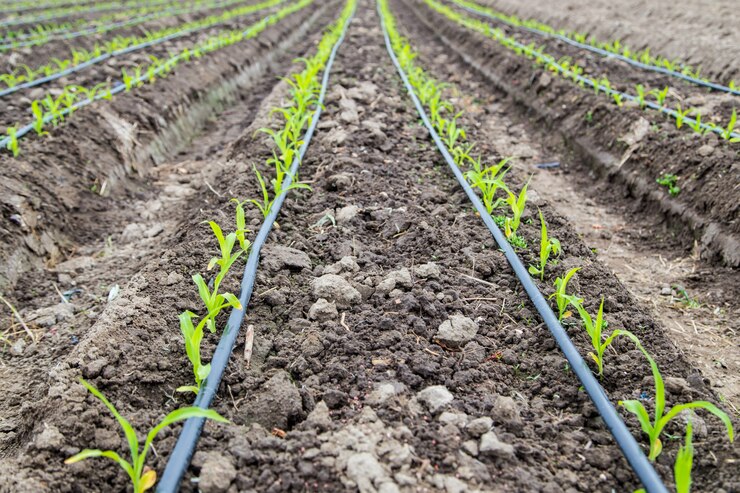
Water scarcity continues to affect households and farmers across South Africa. As droughts become more frequent and municipal water supplies tighten, greywater systems are emerging as practical tools for irrigation. These systems recycle water from sinks, showers, and washing machines, reducing dependence on fresh water. Learning how to use them correctly can help you save costs, maintain your garden, and protect the environment.
What Is Greywater?
Greywater is wastewater from non-toilet sources such as bathroom sinks, bathtubs, washing machines, and showers. It contains small amounts of soap, dirt, and organic matter but is generally safe for irrigation if treated or filtered. It does not include water from toilets or kitchen sinks, which can contain harmful bacteria and fats that damage plants and soil.
Why Greywater Systems Matter in South Africa
South Africa faces chronic water stress, with many regions, especially the Western Cape, Northern Cape, and Eastern Cape, recording low rainfall. Domestic water use often accounts for more than 30% of total consumption. By diverting and reusing greywater, households can save thousands of liters each month. This helps keep gardens alive during water restrictions and reduces pressure on municipal systems.
How a Greywater System Works
A greywater system collects, filters, and redirects used household water for outdoor irrigation. Basic systems can be installed with minimal plumbing changes. The process typically involves:
- Collection: Greywater is captured from bathroom or laundry outlets.
- Filtration: A filter removes lint, hair, and large particles.
- Storage or direct use: Water is either stored briefly or pumped directly to the garden.
- Distribution: A simple pipe or drip system distributes the water evenly to plants.
More advanced systems include automated pumps, multiple filters, and disinfection units. These are ideal for larger gardens or small farms.
Steps to Install a Simple Greywater System
- Identify water sources. Use water from showers, basins, or washing machines. Avoid kitchen sinks and dishwashers.
- Install a diverter valve. This allows you to switch between sending water to the drain or garden.
- Add a basic filter. A mesh or gravel filter prevents clogging in pipes and sprinklers.
- Lay out irrigation pipes. Use a drip or perforated hose to distribute water directly to soil, not leaves.
- Use the water within 24 hours. Stagnant greywater can develop odors and bacteria.
Best Plants for Greywater Irrigation
Some plants handle greywater better than others. Choose hardy species that tolerate soap residues and irregular watering.
- Indigenous shrubs and trees like spekboom and wild olive.
- Lawns, provided you rotate watering zones.
- Fruit trees such as citrus and fig.
- Vegetables with non-edible leaves like spinach and kale, but rinse thoroughly before eating.
Avoid using greywater on root crops like carrots and potatoes, as residues can affect soil and food safety.
Safety and Maintenance Tips
- Use biodegradable soaps and detergents. Avoid products with bleach, salts, or boron.
- Clean filters regularly. This keeps the system efficient and prevents blockages.
- Alternate watering zones. Prevent salt buildup in soil by rotating irrigation areas.
- Do not store untreated greywater for more than a day. It decomposes quickly and can smell.
- Flush the system with fresh water occasionally. This helps maintain soil balance.
Regulations and Environmental Considerations
In South Africa, greywater reuse is supported as part of water-saving initiatives, but systems must prevent contamination and groundwater pollution. Always direct greywater below the soil surface, not onto pavements or into storm drains. For larger systems, consult your local municipality or the Department of Water and Sanitation for compliance guidelines.
Cost and Savings
A simple DIY greywater system can cost between R1,000 and R3,000, depending on materials. More advanced systems can range from R5,000 to R20,000. While there is an upfront cost, households often see reduced water bills within a few months.
Greywater systems are practical, affordable, and sustainable solutions for South Africa’s water challenges. With proper setup and maintenance, you can reuse household water safely and keep your garden productive even during droughts. Start small with a basic system, monitor its performance, and expand as your needs grow. Every drop you save contributes to a more water-secure future.
Join 'Farmers Mag' WhatsApp Channel
Get the latest Farming news and tips delivered straight to your WhatsApp
CLICK HERE TO JOIN