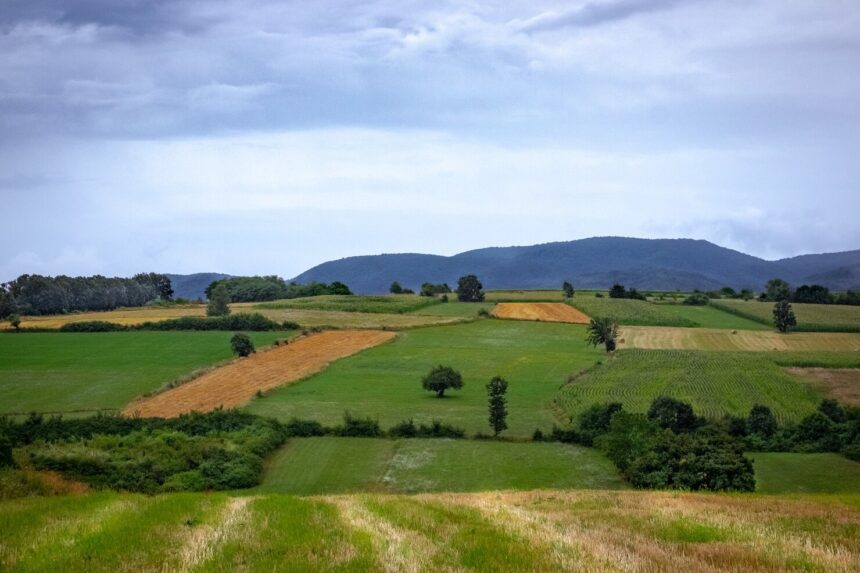
Soil erosion is a common challenge for farmers with sloping land. Heavy rains, wind, and poor land management can wash away topsoil, reducing fertility and affecting crop and pasture growth. Addressing erosion early protects your farm’s productivity and ensures sustainable land use. Here is a practical guide to fixing and preventing soil erosion on sloped land.
Assess the Problem
Begin by examining your slopes to identify areas at risk. Look for signs like gullies, exposed roots, bare soil patches, or sediment accumulation at the base of slopes. Understanding the severity and causes of erosion allows you to implement targeted solutions.
Terracing and Contour Farming
Terracing involves creating stepped levels along the slope to slow water runoff. Each terrace reduces the speed of water, allowing it to soak into the soil instead of carrying it away. Contour farming, where you plant along the natural contours of the land, also helps reduce water runoff and soil loss. Both techniques are effective for sloped fields and can be combined for maximum protection.
Vegetative Cover
Planting grass, shrubs, or cover crops on slopes stabilizes the soil. Roots bind the soil and reduce its susceptibility to water and wind erosion. Suitable options include perennial grasses, legumes, and native plants that can thrive in your region. Mulching exposed soil with crop residues or organic matter also helps reduce erosion while improving soil fertility.
Drainage Management
Proper drainage systems prevent water from concentrating and causing soil loss. Install channels, ditches, or diversion drains to redirect excess water away from vulnerable areas. Ensure that water flow is gradual and does not create new erosion points. Check drainage regularly to remove blockages and repair damaged channels.
Retaining Structures
Where erosion is severe, consider using physical barriers such as stone walls, gabions, or timber retaining walls. These structures slow water flow and protect soil from washing away. Combining retaining structures with vegetation further strengthens slope stability.
Reduce Tillage and Disturbance
Frequent ploughing or soil disturbance on slopes increases erosion risk. Adopt minimum tillage or no-till practices to maintain soil structure. Avoid leaving soil bare between planting seasons. Cover crops or mulches can provide protection during off-seasons.
Implement Strip Cropping
Strip cropping involves alternating strips of erosion-prone crops with strips of erosion-resistant vegetation. The resistant strips slow runoff, trap sediment, and protect the main crops from soil loss. This method is particularly useful on moderate to steep slopes.
Regular Monitoring and Maintenance
Inspect slopes regularly, especially after heavy rains. Repair small gullies or exposed areas immediately to prevent them from worsening. Maintain vegetation cover and check drainage systems to ensure they function effectively.
Managing soil erosion on sloping land requires a combination of strategies. Terracing, contour farming, vegetative cover, drainage systems, retaining structures, and reduced tillage all help protect your soil. Regular monitoring and proactive maintenance are key to long-term slope stability. By implementing these measures, farmers can preserve fertile topsoil, protect crops and pastures, and maintain sustainable productivity on sloped land.
Join 'Farmers Mag' WhatsApp Channel
Get the latest Farming news and tips delivered straight to your WhatsApp
CLICK HERE TO JOIN