Farmers should view regenerative farming as one element of a broader management strategy tailored to their unique conditions, according to Bennie Diedericks, soil scientist at Resalt. Speaking at Vinpro’s Practical Solutions for Today’s Farmer session at Nampo Cape in Bredasdorp, he emphasised that soil health must be the foundation for resilient and profitable farming.
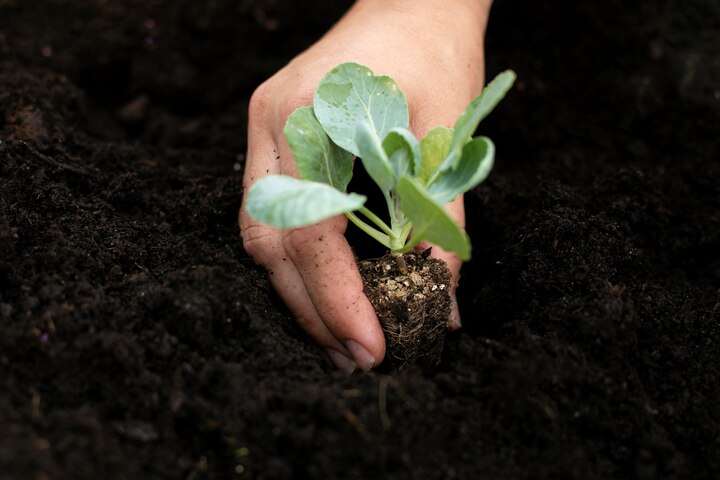
Diedericks urged producers to prioritise soil structure and chemistry before biology. “Adding microbes to unhealthy soil won’t work. If you fix the structure, beneficial organisms will return naturally,” he explained. Healthy soil supports crops and pastures, improves water retention, and enhances climate resilience, making it critical for long-term farm success.
According to Diedericks, each farm is a living system that changes over time. Interventions that work today may not be relevant tomorrow. He warned against adopting practices without understanding their local context. For example, no-till farming has improved climate resilience in grain production but has also led to increased snail infestations.
Farmers should trial new ideas on small plots before implementing them widely and avoid blindly following international farming methods that may not suit South Africa’s soils and climate. “There’s no recipe you can copy from another farm or another country,” he said.
Diedericks highlighted the role of cover crops in vineyards and orchards. Simple mixtures that include grains and legumes provide continuous forage for animals and improve soil health. Livestock selection should match the farm system, considering both the environment and management needs. For instance, Diedericks’ clients often avoid sheep due to theft risks and use cattle breeds like Dexter, Ankole, and Sussex. “Dexters are easy to manage but might not be the best option if you have olive trees, as they eat the leaves,” he noted.
Livestock numbers should align with available feed, particularly during summer when resources are limited. Supplementing feed through grazing on fallow land or planting forage in poor soils or areas awaiting replanting can maintain balance between animal needs and farm productivity.
Diedericks concluded that farm management decisions should prioritise practical solutions over trends and buzzwords. Understanding the farm’s context, trialing interventions, and maintaining healthy soil are the keys to creating a sustainable, profitable, and resilient farming operation. By integrating regenerative practices into a broader, holistic strategy, farmers can improve soil health, increase productivity, and secure long-term profitability while avoiding the pitfalls of one-size-fits-all approaches.
Join 'Farmers Mag' WhatsApp Channel
Get the latest Farming news and tips delivered straight to your WhatsApp
CLICK HERE TO JOIN