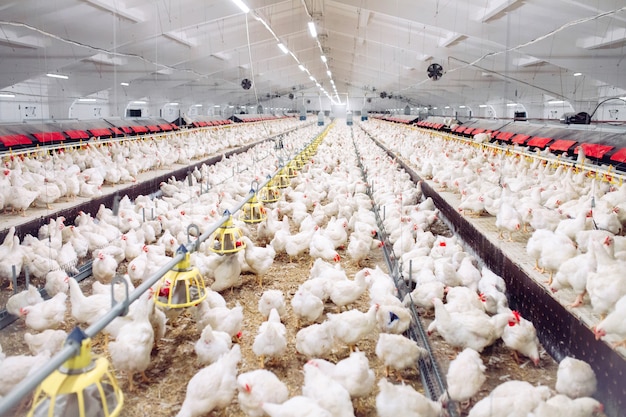
Poultry farming is one of the most important agricultural sectors in South Africa. It contributes significantly to food security, rural employment, and the national economy. With rising demand for affordable protein, poultry remains the most consumed meat in the country. Understanding the economics behind the industry is key for both small-scale and commercial farmers.
Poultry as a Major Protein Source
Chicken accounts for more than 60 percent of all meat consumed in South Africa. Its popularity comes from affordability and versatility. Compared to beef and lamb, poultry is cheaper to produce and more accessible to low-income households. Egg production also plays an important role, providing a steady supply of protein and income for farmers.
Cost Structure of Poultry Farming
Poultry farming costs are influenced by feed, housing, labor, veterinary care, and energy.
- Feed Costs
Feed is the largest expense, accounting for 60 to 70 percent of production costs. The price of maize and soybeans, which form the bulk of chicken feed, directly affects profitability. - Housing and Infrastructure
Small-scale farmers often use simple housing, while large operations invest in climate-controlled facilities. Better housing improves survival rates but requires higher capital investment. - Labor
Commercial farms employ workers for feeding, cleaning, and processing. Labor costs vary depending on the scale of production. - Veterinary Services
Vaccines and disease prevention are essential. Outbreaks of Newcastle disease or avian influenza can wipe out flocks and cause financial losses. - Energy and Water
Electricity and water are crucial for heating, lighting, and cleaning. Rising energy costs increase pressure on profitability.
Market Dynamics
The poultry industry in South Africa faces both opportunities and challenges.
- High Domestic Demand
Rising urbanization and population growth drive strong consumption. Affordable chicken makes it a staple food. - Competition from Imports
Imported frozen chicken, especially from Brazil and the European Union, competes with local producers. Local farmers argue that imports sometimes undercut prices, making it harder to sustain production. - Value Chain Opportunities
Farmers who integrate into processing, packaging, and distribution capture higher profits than those selling live birds. The retail market, fast-food chains, and informal traders are key buyers.
Small-Scale vs. Commercial Farming
Small-scale poultry farming is widespread in rural areas, often providing supplementary income. However, high feed costs and limited access to markets restrict growth. Commercial farms, on the other hand, operate with economies of scale, advanced technology, and better access to financing.
Government support programs aim to bridge the gap by offering training, loans, and infrastructure grants. Successful small-scale farmers often transition into medium-sized enterprises when they gain market access and improve efficiency.
Profitability in Poultry Farming
Profit margins depend on production efficiency. For broilers, the key is achieving the best feed conversion ratio. The faster birds grow to market weight with less feed, the higher the profits. For layers, consistent egg production and reduced mortality rates drive income.
Well-managed broiler operations can achieve profit margins of 10 to 15 percent, while small farms may earn less due to higher input costs and lower sales volumes.
Challenges in the Sector
- Rising feed prices linked to global maize and soybean costs.
- Biosecurity threats from diseases.
- Competition from low-cost imports.
- Access to financing for emerging farmers.
Future Outlook
The poultry sector is expected to grow as demand for affordable protein increases. Investments in feed alternatives, such as insect-based protein, may reduce costs. Expansion of export markets to neighboring African countries also offers opportunities. Government programs under the Poultry Master Plan aim to protect local producers, create jobs, and strengthen food security.
Poultry farming in South Africa is a vital economic activity that supports millions of livelihoods. While rising costs and imports create challenges, the sector’s growth potential remains strong. Farmers who focus on efficiency, biosecurity, and value chain integration are better positioned to thrive. With proper investment and support, poultry farming will continue to be a cornerstone of the South African agricultural economy.
Join 'Farmers Mag' WhatsApp Channel
Get the latest Farming news and tips delivered straight to your WhatsApp
CLICK HERE TO JOIN