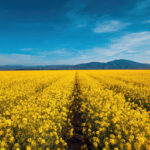
The Karoo, South Africa’s vast semi-arid heartland, is often seen as a challenging environment for farming due to its dry climate and sparse vegetation. However, for small-scale sheep farmers, the Karoo offers unique advantages that make it an ideal region for raising healthy, productive flocks. With its distinctive landscape, resilient indigenous breeds, and established farming culture, the Karoo stands out as a prime area for small-scale sheep farming. This article explores why the Karoo is perfect for farmers looking to start or grow a sheep enterprise.
One of the biggest advantages the Karoo offers is its climate. The semi-arid conditions mean low rainfall but generally mild temperatures, which reduce the prevalence of many livestock diseases common in wetter regions. Sheep breeds adapted to these conditions, such as the hardy Dorper and indigenous Karoo breeds, thrive here. These animals are known for their ability to survive on sparse grazing, resist drought, and produce quality meat and wool.
The natural vegetation of the Karoo is well suited to sheep grazing. The region’s hardy shrubs, grasses, and succulents provide nutritious forage that supports sheep health and weight gain. Unlike intensive feedlots, Karoo farmers can manage flocks on open rangelands, reducing feeding costs and promoting sustainable farming practices.
Land availability and affordability also make the Karoo attractive for small-scale farmers. Large tracts of farmland can be acquired at relatively low prices compared to more fertile, high-rainfall areas. This allows farmers to maintain adequate grazing space for their flocks and scale their operations sustainably without excessive investment.
Culturally, sheep farming is deeply rooted in the Karoo’s history. Many farming communities have generations of experience managing sheep, providing valuable knowledge and a support network for new entrants. Local abattoirs, wool buyers, and markets are well established, making it easier to process and sell products locally and nationally.
Small-scale sheep farming in the Karoo also aligns well with the rising demand for ethically and sustainably produced meat and wool. Consumers increasingly seek out products from natural grazing systems with low environmental impact, a niche the Karoo’s farming methods naturally fill.
However, success in the Karoo requires careful management. Water scarcity is a constant concern, so investing in reliable water sources such as boreholes and dams is crucial. Rotational grazing helps preserve fragile vegetation and prevents overgrazing. Farmers must also be vigilant about predator control, as wild animals can threaten flocks.
Government and agricultural support programs aimed at rural development have also boosted small-scale sheep farming in the Karoo. Training, grants, and cooperative initiatives help farmers access better breeding stock, veterinary services, and market opportunities.
In summary, the Karoo’s unique climate, vegetation, affordable land, and strong sheep farming culture create an ideal environment for small-scale sheep farming. For farmers willing to adapt to the region’s challenges and harness its natural advantages, the Karoo offers a promising path to sustainable and profitable sheep farming.
If you’re considering starting or expanding a small-scale sheep farm, the Karoo’s resilient landscape and farming heritage make it a location worth serious consideration. With the right approach, this iconic South African region can be a foundation for long-term farming success.
Join 'Farmers Mag' WhatsApp Channel
Get the latest Farming news and tips delivered straight to your WhatsApp
CLICK HERE TO JOIN