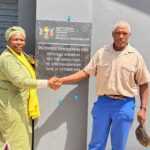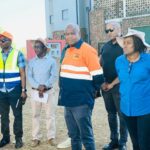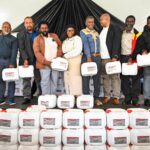
The North West Department of Agriculture and Rural Development has strengthened its commitment to supporting emerging farmers with the official handover of the Cassper Agri-Life Vegetable Packhouse in Mogogelo Village, Moretele Local Municipality. The facility was handed over by North West MEC for Agriculture and Rural Development, Madoda Sambatha, as part of the provincial government’s efforts to improve agricultural production, expand agro-processing and create better market opportunities for local farmers. The launch marks the third agricultural packhouse established by the Department as part of its investment in infrastructure to support farming enterprises across the province. The project aims to address challenges that often prevent smallholder and emerging farmers from reaching their full production potential. By providing essential facilities for handling, storing and preparing agricultural produce for sale, the initiative is expected to contribute to rural economic development, employment creation and improved food security in the Moretele area.
The Cassper Agri-Life Vegetable Packhouse forms part of a broader programme to strengthen agricultural infrastructure across the North West province. It follows the opening of the MOR Farming Packhouse in Lekwa-Teemane Local Municipality and the Jantjies Boerdery Lucerne Packhouse in Greater Taung Local Municipality. These projects reflect the Department’s focus on providing farmers with practical resources that support production and improve their participation in agricultural value chains. While vegetable packhouses help producers prepare fresh produce for distribution and sale, the lucerne packhouse provides infrastructure suited to fodder production, including baling, packaging and storage. Together, the facilities are intended to help farmers manage their products more effectively and improve their ability to supply markets. The investment also highlights the importance of agricultural infrastructure in building stronger rural economies and supporting farming businesses that can contribute to local development.
Smallholder and emerging farmers often face significant challenges when trying to move their produce from the farm to the market. Limited access to suitable storage, processing and packaging facilities can affect product quality and reduce the time available to sell fresh vegetables. Without appropriate post-harvest handling, farmers may experience avoidable losses that reduce their income and undermine the profitability of their operations. Access to formal markets can also be difficult when producers cannot consistently meet requirements for product quality, grading, packaging and supply volumes. The Cassper Agri-Life project seeks to address these barriers by providing infrastructure that supports better handling and preparation of agricultural produce. With improved facilities, local farmers are expected to have greater opportunities to preserve product quality, reduce losses and pursue more reliable routes to market.
The Department funded and established several key components at the Cassper Agri-Life project to support agricultural production and post-harvest management. These include a fully equipped packhouse, production tunnels, a borehole, a backup generator and mobile cold room facilities. Each component serves a practical purpose in helping farmers manage production and prepare vegetables for sale. Production tunnels can support crop cultivation under more controlled conditions, while a borehole can provide an important source of water where groundwater is available and suitable for agricultural use. A backup generator can help maintain essential operations during electricity interruptions, while cold room facilities can support the temporary storage of perishable produce under appropriate conditions. Combined with packhouse equipment, these resources are expected to improve production capacity, support product quality and help farmers prepare their harvests for wider markets.
Vegetable packhouses play an important role in the agricultural value chain because they provide facilities for preparing produce before it reaches buyers. Services typically include washing, sorting, grading, packaging and storage, depending on the equipment available and the requirements of the products being handled. These processes help farmers separate produce according to quality and size, remove unsuitable items and prepare market-ready vegetables. Proper handling and storage can also help maintain freshness and reduce losses between harvesting and sale. For emerging farmers, access to these services can reduce the need to invest individually in expensive infrastructure and equipment. The Cassper Agri-Life Vegetable Packhouse is therefore expected to offer practical support to local agricultural producers while helping them improve the presentation and market readiness of their products.
Speaking at the handover, Bojanala Platinum District Municipality Executive Mayor, Councillor Suzan Nthangeni, highlighted the agricultural potential of Moretele and encouraged community members to make use of available support services. She described the area as a place with a strong agricultural foundation and urged residents to take advantage of opportunities that could improve their livelihoods. Nthangeni also encouraged community members to approach municipal offices and Department of Agriculture and Rural Development offices for information and guidance. She emphasised the importance of encouraging young people to consider agriculture as a viable career and business opportunity. Her remarks reinforced the view that agricultural development requires both infrastructure investment and active participation from local communities. By connecting aspiring farmers with information and support, local institutions can help residents identify opportunities to establish or grow farming enterprises.
Beneficiary Thapelo Madumo expressed his appreciation to the Department and its partners for the assistance he has received through the packhouse facilities and agricultural extension services. He explained that the resources and guidance had strengthened his farming journey and increased his confidence in developing his agricultural activities. Extension services are important in farming because they can help producers improve their knowledge of crop management, production techniques, farm planning and other practical aspects of agricultural business management. Access to appropriate technical advice can help farmers identify problems, make better-informed decisions and apply practices suited to their production conditions. Madumo’s experience illustrates the value of combining infrastructure with ongoing guidance rather than providing facilities alone. For emerging farmers, access to both physical resources and technical support can play an important role in building the knowledge and confidence needed to develop sustainable farming enterprises.
Madumo also encouraged young and aspiring farmers to approach agriculture with commitment, discipline and a willingness to work towards their goals. He stressed that farmers must take the initiative to establish their operations and demonstrate dedication before seeking assistance. His message highlighted the responsibility that comes with running a farming business, where success depends on consistent effort, planning and the ability to respond to challenges. Agricultural support programmes can provide valuable resources, but farmers also need to understand their markets, manage their finances and maintain sound production practices. Young people interested in farming can benefit from learning about crop selection, water management, input costs, record-keeping and potential buyers before expanding their operations. Combining personal initiative with available government support can help aspiring producers build stronger foundations for long-term agricultural growth.
Addressing the community, MEC Madoda Sambatha said the Cassper Agri-Life Vegetable Packhouse formed part of the government’s broader strategy to build a resilient and competitive agricultural sector. He reaffirmed the Department’s commitment to creating an environment in which farmers can grow their businesses and participate more effectively in the agricultural value chain. Sambatha highlighted the role of strategic infrastructure investment in improving market access, reducing post-harvest losses and supporting food security. His remarks reflected the Department’s intention to address practical barriers that limit the growth of emerging farming enterprises. By investing in facilities that support production and post-harvest handling, the government aims to help farmers strengthen their operations and pursue opportunities beyond their immediate communities. The project is also expected to contribute to rural economic development by supporting agricultural activity and creating potential opportunities for employment.
The anticipated benefits of the Cassper Agri-Life project extend beyond the immediate provision of packhouse facilities. Improved access to post-harvest infrastructure can help farmers prepare produce more efficiently, while better storage and handling can reduce the risk of losses that affect the value of harvested crops. Increased production and improved market access may also create opportunities for work in cultivation, sorting, grading, packaging, transport and related agricultural services. However, the long-term impact will depend on factors such as the effective management of the facility, consistent production, market demand and farmers’ ability to meet buyer requirements. Continued access to agricultural extension services and cooperation between farmers, government institutions and market participants will remain important. These factors will help determine how effectively the investment translates into sustainable farming businesses and lasting benefits for the surrounding community.
The handover of the Cassper Agri-Life Vegetable Packhouse marks another step in the North West government’s efforts to strengthen agriculture through targeted infrastructure investment and support for emerging farmers. Alongside the MOR Farming Packhouse and the Jantjies Boerdery Lucerne Packhouse, the project forms part of a growing effort to improve production capacity, reduce post-harvest losses and expand access to agricultural markets. Its combination of packhouse facilities, production tunnels, water infrastructure, backup power and mobile cold rooms provides resources intended to support more effective farming operations. The contributions of MEC Madoda Sambatha, Mayor Suzan Nthangeni and beneficiary Thapelo Madumo also highlight the importance of collaboration, technical guidance and farmer commitment in agricultural development. As the facility begins supporting local production and market preparation, its success will depend on effective management and the ability of farmers to use the available resources productively. Through continued investment, practical support and active community participation, initiatives such as Cassper Agri-Life can help strengthen rural livelihoods, support food security and contribute to sustainable agricultural growth across the North West province.
Join 'Farmers Mag' WhatsApp Channel
Get the latest Farming news and tips delivered straight to your WhatsApp
CLICK HERE TO JOIN