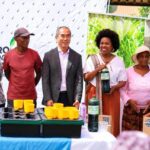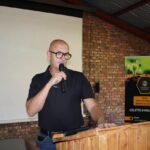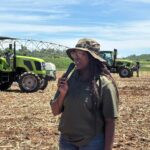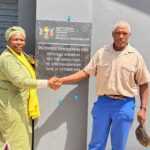

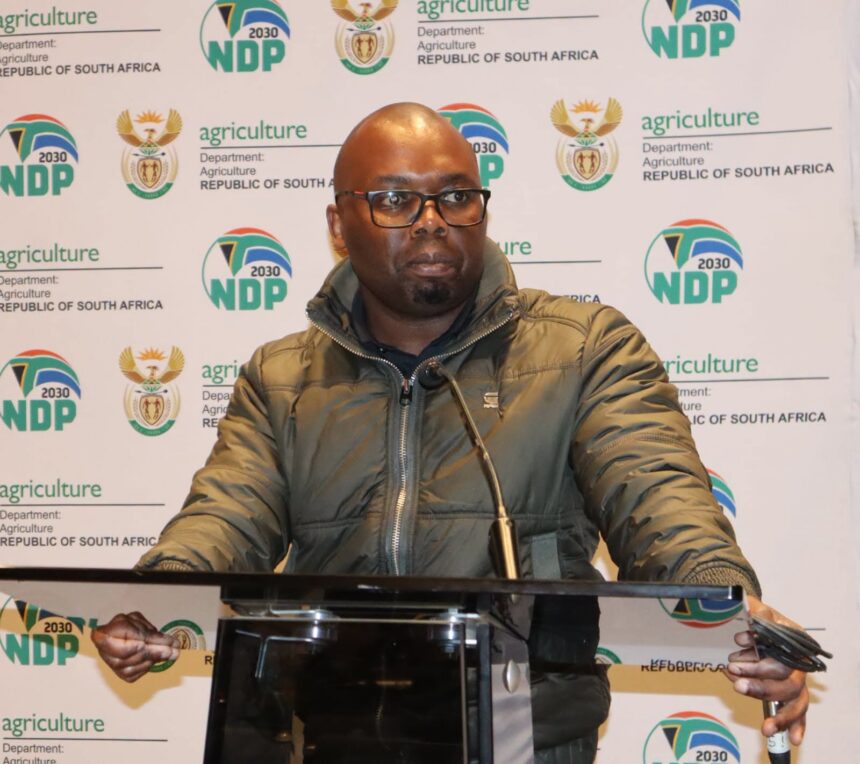
The National Department of Agriculture has concluded its consultations with stakeholders in Mpumalanga on the National Food and Nutrition Security Plan, bringing together key participants from Nkangala and Gert Sibande Districts in Middelburg. The engagement followed an earlier consultation in Mbombela involving stakeholders from Bohlabela and Ehlanzeni Districts. Mpumalanga is the third province visited as part of the consultation process, providing an opportunity for farmers, organised agriculture, government institutions, business organisations and other stakeholders to contribute to the development of the plan. The consultations are focused on strengthening South Africa’s food system and improving the country’s ability to produce, process, distribute and provide access to affordable and healthy food. The discussions also recognise that achieving food and nutrition security requires cooperation across agriculture, health, social protection, business and other sectors.
The National Food and Nutrition Security Plan is centred on three key goals that address different parts of the food system. The first goal focuses on transforming the local agri-food system so that it becomes sustainable, diversified and inclusive. The second focuses on ensuring equitable and dignified access to affordable and healthy food for individuals, households and communities. The third focuses on mitigating risks faced by vulnerable people through social, livelihood and nutrition protection. Together, these goals recognise that food security involves more than producing enough agricultural products. It also requires effective food markets, access to nutritious food and measures that protect people who are most vulnerable to food and livelihood shocks.
The consultation in Mpumalanga provided an opportunity for stakeholders from Nkangala and Gert Sibande Districts to discuss how these goals can be translated into practical action. Stakeholder consultations are important because food systems differ across regions and communities. Farmers experience different production conditions, while businesses face different market, logistics and processing challenges. Government departments also have different responsibilities that affect food access and nutrition. Bringing these groups together can help identify practical challenges and opportunities that may need to be considered when implementing national food security measures.
A major focus of the plan is increasing the participation of farmers across the agricultural value chain. Farmers do not operate only at the production stage of the food system. Their products can move through processing, packaging, transportation, logistics, wholesale and retail before reaching consumers. Greater participation in these activities can create opportunities for farmers to capture more value from their agricultural products. The consultation therefore highlighted the importance of helping farmers connect with the broader agricultural economy rather than limiting their role to primary production.
Agro-processing is particularly relevant to this objective because processing can turn agricultural products into products with different uses, longer shelf lives or additional commercial value. When farmers have opportunities to participate in agro-processing, they can potentially expand their markets and reduce dependence on selling unprocessed commodities. However, successful agro-processing requires suitable infrastructure, technical knowledge, reliable supplies, finance and access to markets. The National Food and Nutrition Security Plan’s focus on value-chain participation therefore requires cooperation between producers, processors, financial institutions, government and other stakeholders. Stronger connections between primary agriculture and agro-processing can contribute to a more diversified agricultural economy.
Retail was another important part of the value-chain discussion. Retailers provide an important connection between agricultural producers and consumers. Farmers who can access formal retail markets may gain opportunities to sell larger quantities of produce, although supplying such markets can involve specific commercial and quality requirements. Strengthening relationships between farmers and retailers can help improve market access and create more predictable opportunities for agricultural producers. The consultation’s focus on retail reflects the need to consider how food moves from farms to consumers when addressing food security.
Logistics services are equally important because agricultural products must often travel from production areas to processing facilities, markets and consumers. Poor coordination or high transportation costs can affect the price and availability of food. Perishable products such as fresh vegetables require efficient handling and transportation to maintain quality. Improving agricultural logistics can therefore support both farmers and consumers by helping products move more efficiently through the food system. The inclusion of logistics in the plan’s value-chain focus highlights the importance of infrastructure and distribution in achieving food and nutrition security.
The first goal of creating a sustainable, diversified and inclusive local agri-food system also has implications for the long-term resilience of agriculture. Sustainability requires farmers and other food-system participants to consider how resources are used and how agricultural production can remain viable over time. Diversification can reduce reliance on a narrow range of agricultural activities and products. Inclusion requires attention to the participation of different groups within the food system, including farmers and rural communities. These elements are connected because a food system cannot become more resilient without considering its environmental, economic and social dimensions.
The second goal addresses the ability of people to access affordable and healthy food with dignity. Food security is not only about the amount of food produced. People also need physical and economic access to food that supports healthy diets. Food prices, household income, distribution networks and the availability of nutritious products can all influence food access. The plan’s emphasis on equitable access therefore brings consumer needs into the broader agricultural policy discussion.
Healthy food access also creates an important connection between agriculture and public health. What farmers produce and how food reaches consumers can influence the availability of different foods in communities. This is why collaboration between agricultural authorities and health institutions is important when developing food and nutrition security strategies. The participation of the Department of Health in the Mpumalanga consultation reflects the need for a coordinated approach. Agricultural production, nutrition and health cannot be considered completely separately when the objective is to improve food security.
The third goal focuses on risk mitigation for vulnerable people through social, livelihood and nutrition protection. Economic difficulties, disruptions to food supply and other shocks can place additional pressure on households that already have limited resources. Social protection measures can play an important role in helping vulnerable people meet basic needs during difficult periods. Livelihood protection can also help people maintain the means through which they earn income and access food. Including these measures in the National Food and Nutrition Security Plan recognises that food security requires both productive food systems and protection mechanisms.
Partnerships and collaboration were repeatedly highlighted as important elements of improving food security. The food system involves many organisations that cannot achieve the plan’s objectives independently. Farmers produce food, businesses process and distribute products, retailers connect with consumers and government institutions provide policy, services and support. Community organisations and other stakeholders can contribute local knowledge and help identify the needs of households and communities. Coordinated action can help reduce gaps between different parts of the food system.
The range of stakeholders attending the Mpumalanga consultation reflects this need for cooperation. Farmers and organised agriculture participated alongside agricultural unions, NAFCOC, WARD, Gert Sibande District Municipality and the Office of the Premier. Departments responsible for Health, Cooperative Governance, Human Settlements and Traditional Affairs, and Social Development were also represented. Their participation brought different areas of expertise into the discussion. This broad representation can help ensure that food security is considered as a cross-cutting development issue rather than as the responsibility of agriculture alone.
The involvement of farmers is particularly important because they experience the realities of agricultural production directly. Farmers can provide information about access to markets, production challenges, infrastructure needs and opportunities within local value chains. Their participation can help ensure that policy discussions take account of practical conditions at farm level. Organised agriculture and agricultural unions can also contribute broader perspectives from producers and agricultural businesses. This engagement can strengthen the connection between national policy objectives and the realities faced by producers.
Business organisations such as NAFCOC also have a role to play in discussions about value-chain participation and economic development. Businesses can contribute knowledge about markets, processing, logistics, investment and commercial opportunities. Creating stronger links between farmers and businesses can help identify opportunities for local agricultural products to enter different parts of the economy. These relationships may also support the development of enterprises around agricultural production. A food security strategy that includes economic participation must consider the role of businesses throughout the food value chain.
The involvement of municipalities and provincial government structures is also significant because many food security challenges have a local dimension. Municipalities are involved in local development planning and can help connect communities with relevant programmes and services. Provincial structures can support coordination between local priorities and broader government objectives. Cooperation between national, provincial and local institutions can improve alignment and reduce duplication of efforts. The participation of the Gert Sibande District Municipality and the Office of the Premier in the consultation reflects the importance of this multi-level approach.
The consultation process also provides an opportunity to identify how agricultural production can contribute more effectively to local economic development. When farmers participate in processing, logistics and retail, more economic activity can potentially remain within local and regional value chains. This can create opportunities for businesses and employment beyond the farm itself. However, these opportunities require suitable infrastructure, skills, financing and market access. The National Food and Nutrition Security Plan’s focus on value-chain participation therefore connects food security with broader economic development objectives.
Mpumalanga’s agricultural sector operates across different districts with different economic and agricultural characteristics. The consultations in Mbombela and Middelburg allowed stakeholders from different parts of the province to participate in the process. Engagement with Bohlabela and Ehlanzeni District stakeholders took place first, followed by engagement with Nkangala and Gert Sibande District stakeholders. Consulting stakeholders from different areas can help identify regional priorities and differences in food-system conditions. This information can be useful when considering how national objectives should be implemented in different local contexts.
The consultation process also demonstrates the importance of dialogue when developing policies that affect farmers, businesses and communities. Stakeholder engagement gives participants an opportunity to raise concerns, share experiences and discuss potential solutions. It can also help policymakers understand where existing systems may be creating barriers to food production, market participation or access to nutritious food. Effective consultation does not replace implementation, but it can contribute to better-informed planning. The value of the process will ultimately depend on how stakeholder input is considered as the plan moves forward.
The National Food and Nutrition Security Plan places agriculture within a wider system that includes food production, economic participation, consumer access, health and social protection. This approach recognises that increasing agricultural production alone cannot address every aspect of food insecurity. Farmers need markets and value-chain opportunities, while consumers need access to affordable and nutritious food. Vulnerable households may also require social and livelihood protection when they face economic or other risks. Addressing these different needs requires coordination across government and society.
The Mpumalanga consultations have therefore brought together a wide range of stakeholders around a shared discussion about the future of food and nutrition security. The focus on transforming the agri-food system, improving access to healthy food and protecting vulnerable people provides a broad framework for addressing food security challenges. The emphasis on farmer participation in agro-processing, retail and logistics also recognises the importance of creating stronger agricultural value chains. Continued partnerships between farmers, organised agriculture, businesses, government departments and local institutions will be important as the plan develops. By connecting agricultural production with markets, nutrition, social protection and rural economic development, the National Food and Nutrition Security Plan seeks to strengthen the foundations of a more sustainable and inclusive food system in South Africa.
Join 'Farmers Mag' WhatsApp Channel
Get the latest Farming news and tips delivered straight to your WhatsApp
CLICK HERE TO JOIN