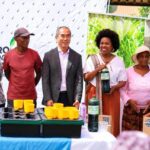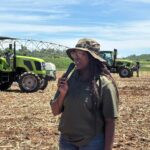
Choosing the right crop is one of the most important decisions a smallholder farmer can make, especially when land, money and production inputs are limited. Sorghum can be an option for farmers who want to diversify their production, but growing the crop successfully requires more than simply putting seed into the soil. Farmers need to understand suitable varieties, weed and pest management, fertiliser needs, water requirements and the correct harvesting approach before committing their available resources. They also need to understand the market because producing a good crop does not automatically guarantee a profitable farming season. The Sorghum Farmers’ Day hosted by the University of the Free State recently gave smallholder farmers from the central Free State an opportunity to learn about these practical production and marketing considerations.
The event focused on information that farmers can use when making decisions at farm level. Smallholder farmers often have to manage several constraints at the same time, including limited land, restricted access to finance and rising input costs. These conditions make careful planning especially important because mistakes can have a direct effect on household income and the next production cycle. Training can help farmers understand what a crop requires before they spend money on seed, fertiliser, chemicals and other inputs. For farmers considering sorghum, practical knowledge can therefore be just as important as access to land and production resources.
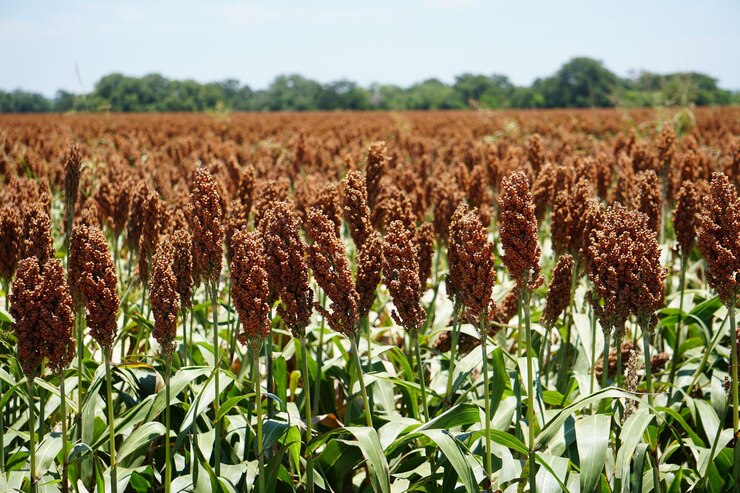
Sorghum is an important grain crop that can form part of a diversified farming system. However, farmers should not choose it simply because it is regarded as a hardy crop or because other farmers are planting it. The suitability of sorghum depends on local growing conditions, available water, soil conditions, production objectives and access to a market. A farmer also needs to consider whether the expected income from the crop justifies the costs involved in production. Making this assessment before planting can reduce the risk of committing scarce resources without a clear plan.
At the Sorghum Farmers’ Day, farmers from the central Free State received practical information on several areas of sorghum production. The discussions covered varieties, weeds, pests, fertiliser, water and harvesting. These issues are closely connected because decisions made during one stage of production can influence results later in the season. Choosing an unsuitable variety, for example, can create production challenges that are difficult to correct after planting. Understanding the complete production process gives farmers a stronger basis for planning from planting through to harvest.
Variety selection is one of the first decisions a sorghum farmer needs to consider. Different varieties can have different characteristics, so farmers need to understand which options are appropriate for their production conditions and intended market. Seed should not be selected only on price because the cheapest seed may not necessarily be the most suitable choice for a particular farming situation. Farmers need to consider the information available about the variety, including its production characteristics and how it fits the intended use. Good advice from agricultural specialists can help farmers make a more informed seed selection before the planting season begins.
Weed management is another important part of sorghum production. Weeds compete with crops for resources such as water, nutrients, light and growing space. If weeds are not controlled effectively, they can reduce crop performance and make it more difficult for the sorghum plants to develop properly. Smallholder farmers therefore need to understand the timing and methods of weed control rather than treating weed management as an issue that can be addressed at any stage. Proper planning can help farmers avoid unnecessary input costs while protecting the crop during important stages of growth.
Pest management also requires attention throughout the production cycle. Pests can damage plants and reduce the quality or quantity of the eventual harvest. Farmers need to be able to recognise potential problems early and understand which management options are appropriate for the situation. This is particularly important for farmers working with limited budgets because unnecessary chemical applications can increase production costs without providing a clear benefit. Training can help farmers distinguish between different crop problems and make decisions based on observation and practical guidance.
Fertiliser management is another area where careful decision-making can make a significant difference. Fertiliser represents an important production expense, so farmers need to understand the nutrient requirements of the crop and the conditions of their fields. Applying too little may limit crop development, while applying inputs without considering actual requirements can increase costs. Farmers can benefit from understanding how soil conditions, crop needs and available resources influence fertiliser decisions. This knowledge allows them to approach fertiliser use as part of a production plan rather than simply treating it as a standard input.
Water is equally important when planning sorghum production. Although sorghum is often associated with its ability to perform under relatively dry conditions, farmers still need to understand the crop’s water requirements and the conditions on their own farms. Rainfall patterns can affect planting decisions, crop development and harvesting. Where water is limited, farmers need to consider how available moisture will influence expected production and financial returns. Understanding water management before planting can therefore help farmers set realistic production expectations and avoid decisions based on assumptions.
Harvesting is the final major stage of production, but planning for it should begin well before the crop reaches maturity. Farmers need to understand when the crop is ready and how harvesting decisions can affect grain quality and losses. Poor timing or inadequate preparation can result in avoidable losses after farmers have already invested money, labour and time into the crop. Harvesting also needs to be considered alongside storage and marketing arrangements so that grain has a clear route from the field to the intended buyer. A complete production plan should therefore extend beyond planting and crop maintenance to include what happens after the crop is mature.
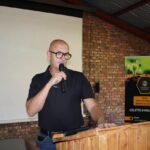
Production knowledge is only one part of the decision facing a farmer who is considering sorghum. The market can determine whether the crop provides the financial return needed to justify the production costs. At the Farmers’ Day, Grain SA economist Cathrine Mathekga discussed the opportunities and challenges in the sorghum market, giving farmers a chance to consider the economic side of the crop. Understanding the market can help farmers think about demand, pricing conditions and the challenges that may affect their returns. This information is particularly important for smallholder farmers because limited financial resources leave less room to absorb poor marketing decisions.
Market knowledge can also change how a farmer approaches production. Instead of planting first and looking for a buyer later, farmers can consider the market as part of the decision-making process before planting. This approach encourages farmers to ask practical questions about where their grain could be sold, what buyers require and what costs will affect the final return. Farmers can then compare these considerations with their available land, labour, capital and production inputs. Such planning does not remove market risk, but it can help farmers understand that risk before making a financial commitment.
The discussion of opportunities and challenges in the sorghum market is therefore important for farmers who are considering entering or expanding production. A crop may have potential, but potential alone does not guarantee that every farmer will achieve the same result. Production costs, yields, market conditions and farm-specific circumstances can differ considerably. Farmers need to assess these factors against their own resources and objectives rather than relying on general expectations. This is where access to reliable agricultural information can support better farm-level decisions.
Training and mentorship can play an important role in this process. Farmers do not only need information about what to plant, but also need the opportunity to ask questions and understand how different decisions affect their farms. Practical training can help turn technical information about varieties, fertiliser, pests, weeds, water and harvesting into knowledge that farmers can use. Mentorship can provide continued support as farmers face real production challenges during the season. Together, training and mentorship can help farmers build the confidence and skills needed to plan more carefully.
For smallholder farmers, informed decision-making is particularly important because each production choice can have financial consequences. Money spent on seed, fertiliser, pest control and other inputs must be weighed against the expected production and market opportunities. Farmers also have to consider labour, water availability, equipment and the time required to manage the crop. A realistic production budget can help identify whether sorghum fits within the resources available to the farm. This type of planning can also help farmers identify where additional support or advice may be needed before planting.
The Sorghum Farmers’ Day also demonstrates the value of bringing farmers and agricultural experts together. Farmers can learn from specialists while also raising questions based on the conditions they experience in their own communities. These exchanges can help connect technical agricultural knowledge with practical farming realities. They can also give farmers a better understanding of the decisions they need to make before and during the production season. For smallholder agriculture, these opportunities for knowledge sharing can contribute to more informed and deliberate planning.
Sorghum production should ultimately be approached as a business decision as well as an agricultural activity. Farmers need to understand what the crop requires, what it may cost to produce and what market conditions could affect the final return. They also need to recognise the risks associated with weather, pests, weeds and other production challenges. No single crop is automatically the right choice for every farm, and farmers need to assess their own circumstances before making a decision. Careful planning can help ensure that limited resources are directed towards a production option that fits the farm’s capabilities and goals.
The lessons shared at the University of the Free State Sorghum Farmers’ Day highlight an important message for smallholder farmers considering sorghum. Successful crop production begins with informed decisions made before the seed goes into the ground. Farmers need practical knowledge about sorghum varieties, weed and pest control, fertiliser, water and harvesting, while market information can help them understand the economic side of the decision. Training and mentorship can bring these areas together by helping farmers evaluate their options and prepare for challenges. For farmers working with limited land and money for inputs, taking time to understand both production and the market can provide a stronger foundation for planning a sorghum crop and managing the risks that come with it.
Join 'Farmers Mag' WhatsApp Channel
Get the latest Farming news and tips delivered straight to your WhatsApp
CLICK HERE TO JOIN