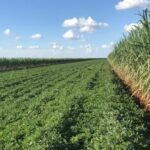
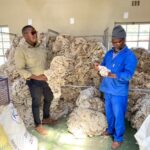
Aspiring and practising farmers in South Africa will have an opportunity to strengthen their agricultural knowledge and practical production skills through upcoming training courses offered by the Agricultural Research Council (ARC). Through its Vegetable, Industrial and Medicinal Plants (VIMP) Campus, the ARC is inviting farmers, producers and other interested individuals to enrol in courses scheduled to run from December 2026 to February 2027. The training will cover open-field vegetable production, hydroponics, potato production and vegetable agro-processing. These areas offer valuable learning opportunities for people who want to improve their farming practices, explore different production methods or develop their agricultural businesses. Interested individuals can enquire about the courses and registration process by contacting Ms Mpho Makhanya at makhanyam@arc.agric.za.
Agricultural training plays an important role in helping farmers make informed decisions, improve productivity and manage the challenges associated with food production. Farmers need practical knowledge of crop management, soil preparation, water use, pest control and harvesting to produce quality crops and manage their resources effectively. Access to structured training can help participants understand established production methods and identify practices suited to their farming conditions. For new farmers, training can provide a useful foundation before investing in land preparation, equipment, seeds and other agricultural inputs. For experienced producers, it can offer an opportunity to strengthen existing skills and explore ways to improve the efficiency and sustainability of their operations.
The ARC’s Vegetable, Industrial and Medicinal Plants Campus is offering training in several areas of vegetable production, allowing participants to explore different approaches to growing and processing crops. Open-field vegetable production remains an important method for supplying fresh produce to households, retailers and other buyers. Hydroponics offers an alternative approach that allows plants to grow using a nutrient solution, with or without a growing medium such as coco coir or perlite. Potato production requires knowledge of crop establishment, irrigation, nutrient management, pest and disease control and harvesting. Vegetable agro-processing focuses on activities that add value to harvested produce, potentially helping farmers reduce losses and reach markets with products beyond fresh vegetables.
Open-field vegetable production is an important skill for farmers who want to establish or improve conventional vegetable farming operations. Successful production begins with selecting suitable crops and preparing the land according to soil conditions, climate and water availability. Farmers must also understand planting schedules, seedling establishment, fertilisation, irrigation and the management of weeds, pests and diseases. Harvesting at the right stage can influence the quality, shelf life and market value of vegetables. Training in this area can help participants develop a better understanding of the production process and the decisions required to grow vegetables for household use or commercial sale.
Hydroponics is another key area covered by the upcoming agricultural courses. This production method allows farmers to grow plants by supplying nutrients through water rather than relying entirely on soil for nutrient delivery. Depending on the system, hydroponics can be used in greenhouses, protected growing structures or other controlled environments. It requires careful management of water quality, nutrient concentrations, pH levels and the growing environment to maintain healthy plant development. Learning about hydroponics can help participants assess whether the method suits their available space, budget, water supply and intended market before investing in a system.
Potato production is also included in the training programme, offering an opportunity for participants to strengthen their understanding of an important food crop. Successful potato farming depends on suitable planting material, appropriate soil conditions, effective irrigation and careful management throughout the growing season. Farmers need to monitor crop development and manage pests and diseases that can affect both yield and quality. Harvesting and handling practices also matter because potatoes can suffer damage during lifting, transport and storage. A stronger understanding of these production requirements can help farmers make better decisions when planning potato cultivation as part of their agricultural activities.
The course on vegetable agro-processing will focus on an area that can help connect primary production with value addition. Fresh vegetables are perishable, and delays in handling, transport or marketing can result in quality deterioration and financial losses. Depending on the product and processing method, agro-processing can include activities such as drying, cutting, preserving or preparing vegetables for further use. These processes require appropriate hygiene, food safety measures, packaging and storage practices. For farmers considering ways to diversify their income, knowledge of vegetable agro-processing can help them explore options for adding value to their harvest, although commercial success will depend on production costs, market demand and compliance with applicable requirements.
The courses may be relevant to a broad range of participants, including emerging farmers, established producers, agricultural entrepreneurs and individuals interested in entering the farming sector. People who already grow vegetables may want to improve their technical knowledge, while those planning to start a farming business may use the training to understand production methods before committing significant resources. Agricultural workers and other interested individuals may also benefit from developing skills that can support their involvement in crop production. Participants should contact the ARC to confirm the course details, registration requirements and any other arrangements before making plans to attend. Obtaining this information in advance will help prospective learners understand which training options best match their goals.
The scheduled course period, from December 2026 to February 2027, provides a defined window for interested individuals to make enquiries and prepare for participation. Anyone considering registration should contact Ms Mpho Makhanya at makhanyam@arc.agric.za for information about enrolment and the available courses. Prospective participants should confirm the relevant dates, course fees if applicable, venue arrangements and any requirements for attendance directly with the ARC, as these details have not been specified in the announcement. Early enquiries can help applicants understand the process and determine whether the training fits their schedules and learning needs. Clear communication with the organising team will also help participants prepare for the course they intend to attend.
The Agricultural Research Council’s upcoming production courses offer an opportunity for farmers and other interested individuals to strengthen their agricultural skills across several areas of vegetable production and value addition. From open-field cultivation and hydroponics to potato farming and vegetable agro-processing, the programme covers practical subjects relevant to food production and agricultural enterprise development. Building these skills can help participants improve their understanding of crop management, explore alternative production methods and consider ways to add value to their produce. The benefits will depend on how learners apply the knowledge to their own circumstances and respond to the needs of their target markets. Interested individuals are encouraged to contact Ms Mpho Makhanya at makhanyam@arc.agric.za to enquire about registration for the courses running from December 2026 to February 2027 and take the next step towards developing their agricultural knowledge and production capabilities.
Join 'Farmers Mag' WhatsApp Channel
Get the latest Farming news and tips delivered straight to your WhatsApp
CLICK HERE TO JOIN