Livestock farming is entering a more connected and data-driven era as the transformed INTERGIS prepares to give farmers and livestock-sector partners access to a new generation of digital tools. The modernised system is designed to bring important livestock information together in one secure and efficient platform, making it easier for users to access and work with valuable data. From genetic evaluation and genomic selection to advanced reporting, animal tracking and animal health records, the new INTERGIS aims to support better decisions throughout the livestock production process. Farmers increasingly need accurate and accessible information to improve breeding outcomes, manage animal health and run their operations efficiently. With these new capabilities, INTERGIS is positioned to help livestock producers make more informed decisions while adapting to the changing demands of modern agriculture.
One of the key developments within the transformed INTERGIS is its focus on genetic evaluation and genomic selection. Genetic information can help farmers identify animals with desirable characteristics and make more informed breeding decisions based on reliable data. Instead of relying only on physical observations or traditional breeding records, producers can use more detailed information to assess the potential of animals within their herds. This can support breeding programmes that focus on important characteristics such as productivity, performance and other traits relevant to a specific livestock enterprise. By making sophisticated genetic tools more accessible, the transformed INTERGIS could help farmers improve the quality and efficiency of their breeding decisions over time.
Genomic selection can be particularly valuable because it allows genetic information to become part of a broader decision-making process. Farmers and livestock-sector professionals can use available data to better understand the genetic potential of animals before making important breeding choices. This can help producers develop breeding strategies that align more closely with their production goals and the characteristics they want to strengthen within their herds. Better breeding decisions can also contribute to long-term improvements in livestock performance when producers consistently apply accurate information across generations. The transformed INTERGIS therefore represents an opportunity to connect advanced genetic technology with practical livestock management.
Another important feature is improved animal tracking, which can strengthen the way farmers monitor individual animals and manage their herds. Accurate tracking information can help producers maintain better records and understand the movement and history of animals within their operations. This information becomes particularly useful when farmers need to identify animals, update records or monitor changes within a herd. Digital tracking can also reduce some of the difficulties associated with maintaining fragmented or paper-based records, particularly on larger farms or in operations with many animals. Having reliable animal information available through a modern system can make routine management tasks more organised and efficient.
Animal health records will also play an important role in the transformed INTERGIS. Maintaining accurate health information can help farmers keep track of relevant interventions and monitor the history of individual animals. Good health records can support more informed decisions when farmers, veterinarians and other livestock professionals need to assess an animal or manage a herd. Digital records can also make important information easier to retrieve compared with systems that depend heavily on physical documents or separate record-keeping methods. By bringing animal health information into a more integrated digital environment, INTERGIS can support a more structured approach to livestock health management.
Farm management is another area expected to benefit from the system’s modernised capabilities. Running a livestock enterprise involves managing large amounts of information related to animals, breeding, health, production and other operational activities. When this information sits across different records and systems, farmers can spend significant amounts of time collecting and organising it before they can use it effectively. A connected system can help bring relevant information together, allowing producers to work with a clearer picture of their livestock operations. This can support more efficient planning and give farmers better access to the information they need when making day-to-day and long-term management decisions.
Advanced reporting will further strengthen the value of the transformed INTERGIS by helping users turn livestock information into useful insights. Data becomes more valuable when farmers can interpret it and apply it to real decisions affecting their operations. Clear reports can help users identify trends, review performance and understand information that may otherwise be difficult to analyse manually. This can support more systematic decision-making across breeding, animal health and general farm management. As livestock production becomes increasingly dependent on accurate information, reporting tools can help farmers use their data more effectively instead of simply storing it.
Security also remains an important consideration as more livestock information moves into digital systems. Farmers and livestock-sector partners need confidence that their information is stored within a modern and secure environment. The transformed INTERGIS is designed with this requirement in mind, providing a platform intended to support the responsible management of valuable livestock data. Secure digital infrastructure can help create greater confidence among users while supporting the wider shift towards technology-based agricultural management. As more processes become connected, protecting the information that underpins these activities becomes increasingly important.
The benefits of a connected livestock information system can extend beyond individual farmers. Livestock-sector partners can also gain access to information and tools that support collaboration, analysis and more informed agricultural services. When different participants in the livestock sector can work with reliable information, it can become easier to coordinate activities and understand developments within the industry. Better data can also support research, breeding programmes and other initiatives aimed at improving livestock production. This creates the potential for INTERGIS to become more than a farm management tool, as it can contribute to a broader livestock ecosystem built around accessible and useful information.
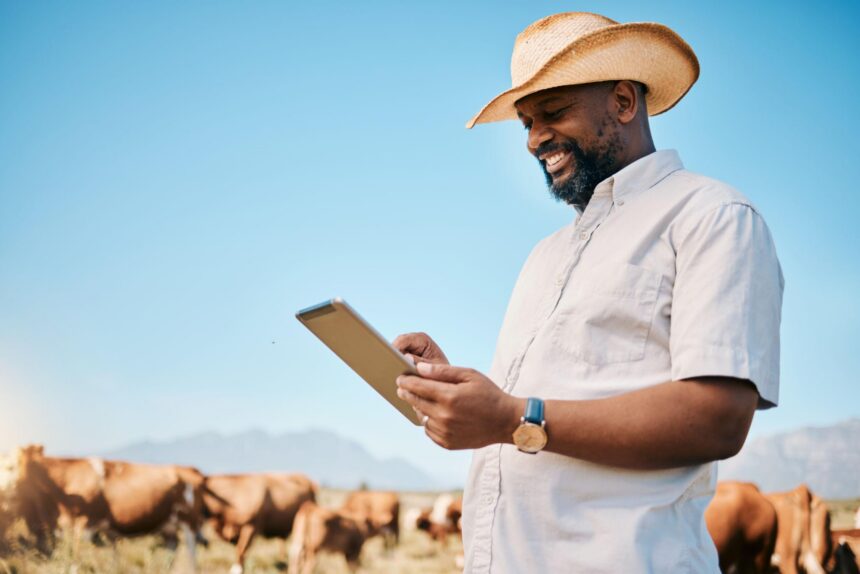
The move towards smarter livestock management reflects a wider transformation taking place across agriculture. Farmers are increasingly using digital technologies to improve productivity, monitor resources and make decisions based on measurable information. Livestock production is no different, particularly as producers face the need to improve efficiency while maintaining strong standards of animal management. Technology cannot replace farming experience or practical knowledge, but it can give farmers better information to support those skills. The transformed INTERGIS is designed around this principle by connecting data, technology and livestock management within one modern system.
For farmers, the real value of the transformed INTERGIS will ultimately come from how effectively these tools can be incorporated into everyday operations. Genetic evaluation, genomic selection, animal tracking, health records, reporting and farm management tools can provide valuable information, but that information must support practical decisions. Farmers who understand their data and use it consistently can gain greater insight into their livestock and production strategies. Over time, better information can contribute to more deliberate breeding choices, improved record keeping and more organised farm management. This creates a pathway towards livestock farming that is increasingly connected, informed and responsive to the needs of individual producers.
The transformed INTERGIS signals an important step towards a more modern approach to livestock management, where reliable data supports decisions across the entire production process. By bringing genetic evaluation, genomic selection, advanced reporting, animal tracking, animal health records and farm management into one secure system, the platform aims to make livestock information more useful and accessible. Farmers and livestock-sector partners can benefit from having better tools to understand their animals, manage records and make decisions based on stronger information. The future of livestock farming will increasingly depend on the ability to connect technology with practical agricultural knowledge, and systems such as INTERGIS can help support that transition. Smarter livestock management is not simply about adopting new technology, it is about using better information to make better decisions and build more efficient and sustainable livestock operations.
Join 'Farmers Mag' WhatsApp Channel
Get the latest Farming news and tips delivered straight to your WhatsApp
CLICK HERE TO JOIN