The KwaZulu-Natal Department of Agriculture and Rural Development, under MEC Thembeni kaMadlopha-Mthethwa, has initiated a large-scale vaccination campaign targeting livestock in uMkhanyakude, one of the province’s districts with the highest cattle populations. The campaign aims to protect an estimated 200,000 to 210,000 animals from Foot and Mouth Disease (FMD), a contagious viral disease that poses serious risks to livestock productivity and farmer livelihoods. Over two days, veterinary teams administered more than 27,000 vaccines at 40 dip tanks within the uMhlabuyalingana Local Municipality. The effort highlights the province’s commitment to safeguarding animal health and ensuring food security while maintaining economic stability for rural farming communities.
Vaccination teams are currently operating in areas bordering Mozambique and eSwatini, including uMhlabuyalingana and Jozini, before moving inward toward Big 5 Hlabisa and Mtubatuba. The vaccines being used are manufactured by Dollvet in Turkiye and provide protection against SAT 1, SAT 2, and SAT 3 strains of FMD, which have been recorded in the district. These doses are part of the second shipment received by the province, totaling 560,000 vaccines. In total, KwaZulu-Natal has been allocated 760,000 doses of BioGenesis Bago and Dollvet vaccines, which have already been used to complete vaccinations in districts such as uGu, Harry Gwala, and portions of Amajuba, uThukela, and uMgungundlovu. The coordinated rollout ensures that high-risk areas are prioritised and vaccination coverage is steadily expanded.
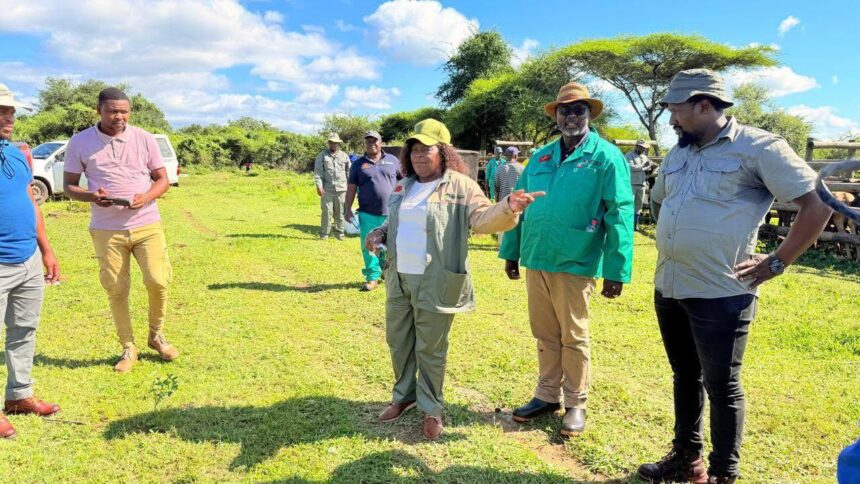
MEC kaMadlopha-Mthethwa personally visited Zulwini and Isiphondwana dip tanks in uMhlabuyalingana to oversee operations and engage with livestock farmers. She confirmed that, dependent on vaccine availability, the province remains on schedule to vaccinate all cattle within six months. To accelerate the process, the vaccination teams will be reinforced in April with new recruits, including animal health technicians, data capturers, and administrative clerks, increasing the total number of teams to 45 per day, compared to the 20 teams that were operating daily since February 26, 2026. This scaling-up effort is designed to ensure timely coverage, reduce the risk of disease spread, and improve overall efficiency of the vaccination campaign.
Local farmers have welcomed the initiative, noting the relief it brings to their livelihoods. The Chairperson of Isiphondweni Dip Tank in the Mboza area, Mr. Thokozani Jobe, expressed appreciation for the arrival of vaccines and the MEC’s engagement with the farming community. He highlighted the challenges FMD has presented to livestock farmers and the importance of government support in managing animal health. Farmers value not only the vaccination effort but also the opportunity to communicate directly with officials who can provide guidance and future assistance for other animal disease outbreaks. This engagement fosters trust and collaboration between the department and rural communities.
The KwaZulu-Natal vaccination campaign demonstrates a strong commitment to disease prevention, animal health, and farmer support. By expanding the number of vaccination teams, prioritising high-risk districts, and ensuring direct engagement with livestock owners, the province is taking proactive measures to protect both animals and livelihoods. Continuous monitoring, adequate vaccine supply, and community involvement are critical to the success of the campaign. The initiative also underscores the importance of coordinated action between government authorities and farmers to manage diseases that threaten food security and agricultural productivity. With these measures in place, KwaZulu-Natal is positioning itself to significantly reduce the impact of FMD and strengthen the resilience of its livestock sector.
Join 'Farmers Mag' WhatsApp Channel
Get the latest Farming news and tips delivered straight to your WhatsApp
CLICK HERE TO JOIN