

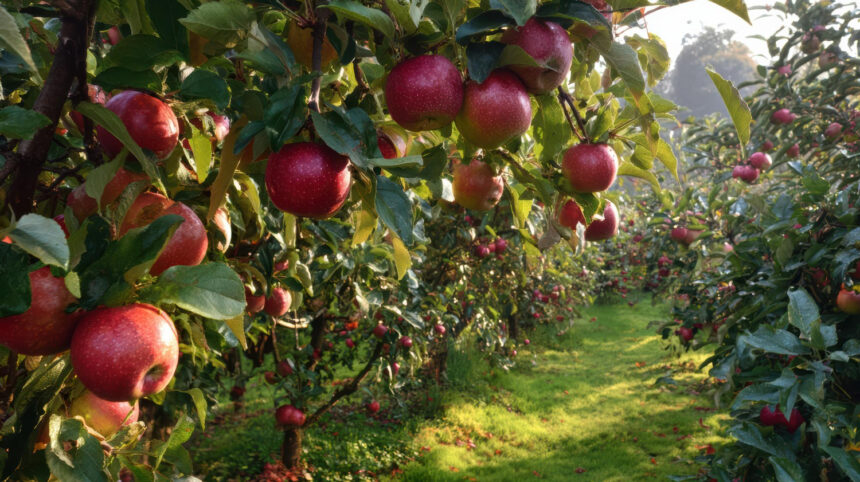
South Africa’s apple and pear industry is entering a period of growth and innovation, presenting opportunities for both established and new growers. Calla du Toit of Tru-Cape Fruit Marketing and Hortgro Pome Chairman highlights that despite global challenges like logistics constraints and geopolitical instability, the sector remains resilient and well-positioned for long-term success. Du Toit, a full-time grower since 1997 and Tru-Cape Procurement Director since 2025, emphasizes that strong foundations, disciplined production systems, and international partnerships create a platform for sustainable growth. For growers, this means the chance to adopt proven practices, access mentorship, and expand their operations while remaining competitive in global markets. The industry’s focus on collaboration, innovation, and young talent is driving South Africa toward a more productive and profitable future.
Operational discipline has been key to South Africa’s reputation as a reliable supplier. Large supermarket programs require precision in timing, packaging, and supply chain management, which has pushed growers to adopt professional, efficient practices. Du Toit notes that collaboration has increased significantly, with growers now sharing knowledge, coordinating production, and negotiating collectively with exporters and retailers. For farmers, this presents an opportunity to learn from peers, improve efficiency, and gain access to better contracts. Those who engage in cooperative networks can benefit from collective bargaining, access to new markets, and reduced risks.
The influx of a younger generation of growers is bringing energy and new ideas to the industry. Many are returning to family farms or establishing partnerships to run successful operations without owning land. Du Toit highlights that young growers are entrepreneurial, globally connected, and willing to experiment with new varieties and modern technologies. For practical application, growers can explore high-yield rootstocks, protective netting, precision irrigation, and denser planting systems to increase production and reduce resource use. Observing global best practices and adapting them locally is helping South African orchards remain competitive and productive.
South Africa’s export markets are expanding, giving growers access to high-demand regions beyond Europe and the United Kingdom. Markets such as India, China, Vietnam, and Thailand offer significant growth potential, while African markets increasingly value premium apples like Pink Lady and Flash Gala. For farmers, targeting these markets requires careful quality management, consistent supply, and adherence to export standards. Engaging with export programs or partnering with experienced exporters can open doors to these emerging markets and improve profitability. Understanding market demand and varietal preferences is critical for maximizing returns.
Technological innovation and modern orchard management are central to increasing productivity. Growers replacing older orchards producing 40–50 tonnes per hectare with new plantings yielding over 100 tonnes are seeing remarkable results. Water-efficient irrigation, protective netting, and precision pruning are among the practices that can increase output while reducing resource use. Du Toit stresses that careful management of water and other natural resources will be critical as climate variability affects production. Farmers who adopt these technologies can improve yields, reduce costs, and enhance sustainability.
Logistics remain a practical challenge for growers. Limited efficiency at the Port of Cape Town has forced exporters to use alternative ports such as Durban or Port Elizabeth, adding costs. Du Toit notes that addressing infrastructure gaps is essential for improving competitiveness. Farmers can mitigate some risks by planning shipments carefully, coordinating with exporters, and exploring storage solutions to manage timing and reduce losses. Investment in local infrastructure and engagement with industry bodies can also influence long-term improvements.
South Africa’s apple and pear industry offers strong potential for growers ready to innovate, collaborate, and expand. By adopting modern technologies, engaging in cooperative networks, and targeting emerging markets, farmers can increase productivity, profitability, and sustainability. Du Toit emphasizes that the sector’s diversity and strong foundations make it adaptable and resilient. Growers who focus on solutions, embrace mentorship, and implement best practices will be well-positioned to thrive in a rapidly changing global market.
Join 'Farmers Mag' WhatsApp Channel
Get the latest Farming news and tips delivered straight to your WhatsApp
CLICK HERE TO JOIN