

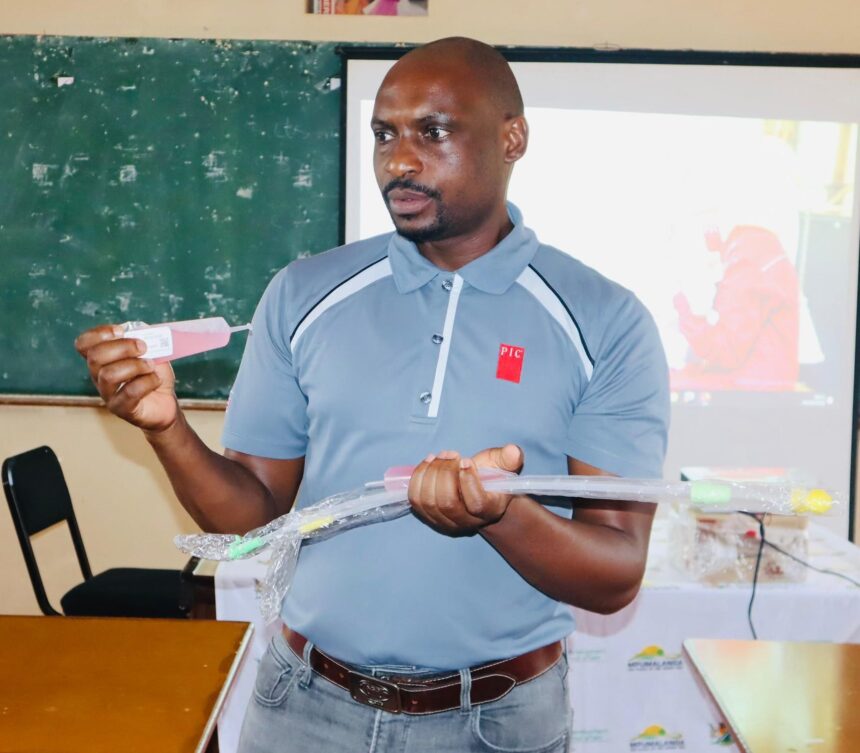
The Mpumalanga Department of Agriculture, Rural Development, Land and Environmental Affairs recently partnered with ALZU Feeds, the South African Pork Producers’ Organization (SAPPO), and the Pig Improvement Company (PIC) to host an intensive training session for pig farmers in Mzinti and surrounding areas in Nkomazi. The event, held at the Mzinti Training Centre, aimed to equip farmers with practical skills and knowledge on Artificial Insemination (AI), a method increasingly recognized for its potential to improve pig production efficiency. AI offers farmers the opportunity to reduce production costs, enhance genetic quality, and increase reproductive success, making it a vital tool for both smallholder and commercial pig operations. By bringing experts directly to the farmers, the training focused on hands-on techniques, ensuring that participants could immediately apply the knowledge to their farms. The session highlighted how strategic interventions at the farm level can significantly impact productivity and profitability in the pork sector.
The training covered the female reproductive anatomy of pigs, emphasizing the importance of understanding the physiology to ensure successful insemination. Farmers were taught how to identify key reproductive organs, recognize signs of reproductive readiness, and understand the hormonal cycles that govern fertility. Endocrinology was discussed in detail, helping farmers grasp how hormonal changes affect ovulation and conception. Accurate heat detection was stressed as a critical factor in timing AI procedures, as inseminating at the right point in the estrus cycle greatly improves success rates. By mastering these elements, farmers can reduce the risk of failed inseminations and ensure that breeding efforts lead to higher piglet survival and productivity.
Timing and insemination technique were key areas of focus during the session, with instructors demonstrating practical procedures that minimize stress and maximize conception rates. Farmers were shown how proper handling of pigs, careful placement of semen, and adherence to timing protocols can significantly enhance breeding outcomes. Additionally, the training emphasized the role of semen production and processing, including collection, storage, and handling, which directly affects fertility rates. Participants learned how to evaluate semen quality and implement best practices to maintain its viability. By combining knowledge of anatomy, endocrinology, and technique, farmers are better positioned to implement AI successfully and efficiently.
The workshop also encouraged farmers to consider the economic and genetic advantages of AI for their operations. Using AI allows farmers to introduce superior genetics without the need to maintain multiple boars on-site, reducing feed and housing costs. Improved genetics contribute to better growth rates, disease resistance, and overall herd performance, which can directly increase profitability. Farmers were guided on integrating AI into their breeding programs while maintaining careful records to monitor outcomes and improve herd management. The practical, hands-on approach ensured that participants gained confidence in applying the techniques to their daily operations, making AI a feasible and effective strategy for local farms.
The Artificial Insemination training hosted by the Mpumalanga Department of Agriculture, in collaboration with ALZU Feeds, SAPPO, and PIC, provides pig farmers in Nkomazi with essential tools to enhance productivity and profitability. By focusing on reproductive anatomy, endocrinology, heat detection, timing, and semen handling, the session equipped farmers with practical knowledge that can be directly applied on their farms. AI offers both economic and genetic benefits, allowing farmers to reduce costs, improve herd quality, and increase production efficiency. Through initiatives like this, Mpumalanga is fostering modern, sustainable practices in the pork industry and empowering farmers to adopt innovative solutions that strengthen their operations. These efforts demonstrate a clear commitment to advancing agricultural productivity and supporting the long-term growth of the local livestock sector.
Join 'Farmers Mag' WhatsApp Channel
Get the latest Farming news and tips delivered straight to your WhatsApp
CLICK HERE TO JOIN




