

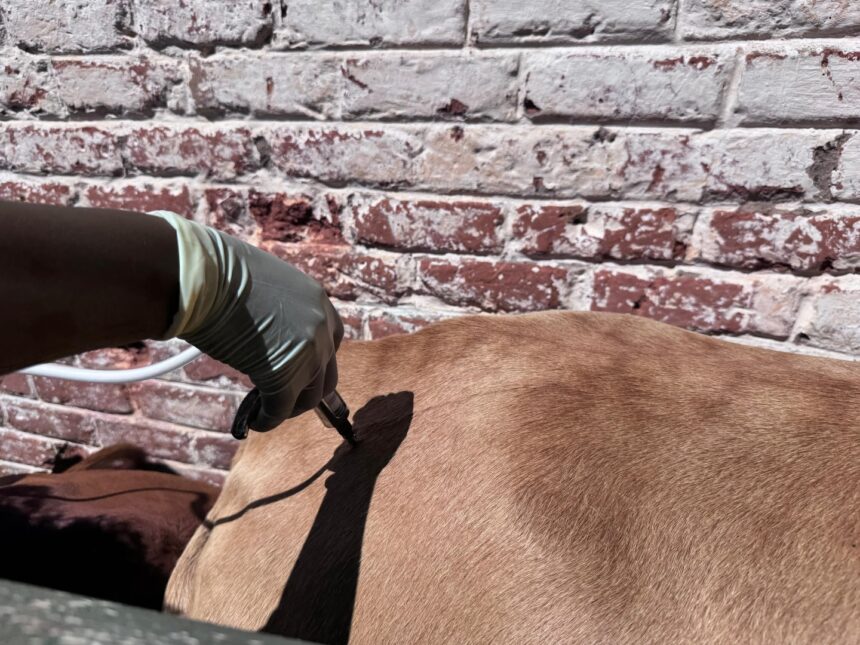
On 9 March 2026, veterinary teams conducted targeted Foot and Mouth Disease (FMD) vaccination activities at three farms within the Walter Sisulu District, reinforcing ongoing efforts to control and prevent the spread of the disease. The vaccination campaign is part of a broader strategy to protect livestock, support farmers, and safeguard the local agricultural economy from the potentially devastating effects of FMD. The initiative involved on-site vaccinations, careful monitoring, and sample collection to identify areas at risk and ensure early intervention. These activities highlight the importance of coordinated disease management in high-risk areas and demonstrate the commitment of veterinary authorities to maintaining herd health. By proactively vaccinating cattle, the teams aimed to reduce viral spread and provide farmers with the necessary support to maintain productive and healthy livestock operations.
The first farm visited was Draaihoek, also known as Oosthuizen Farm, where a total of 208 cattle received the FMD vaccine. The vaccination at this farm served as a preventative measure, given its proximity to previously infected areas. The second farm, Strydfontein Farm, located nearby in Maletswai, saw 219 cattle successfully vaccinated. Both farms fall within a 10-kilometre radius of Joe Gqabi Kraal, a location that had previously tested positive for FMD. Vaccinating these herds helps to create a protective buffer zone, reducing the risk of transmission to surrounding livestock and ensuring that disease control measures remain effective in the region. By targeting farms in close proximity to confirmed FMD cases, veterinary teams can strategically reduce the potential for outbreaks.
The third farm visited was Vaalbank Farm in James Calata, where a total of 546 cattle were vaccinated. This farm had previously displayed suspicious signs of FMD, prompting the collection of five serum blood samples and two swab samples on 25 February 2026 for laboratory analysis. Vaccination at Vaalbank Farm was particularly critical in reducing the viral load within the herd, limiting the potential for further spread to neighbouring farms and communities. The proactive approach at this site demonstrates how targeted vaccination, combined with laboratory testing and monitoring, can significantly mitigate the impact of the disease. By addressing both confirmed and suspected cases, veterinary authorities strengthen the overall effectiveness of regional disease control programs.
These vaccination activities are part of a larger, coordinated effort to protect the agricultural sector from FMD outbreaks. By administering vaccines to a total of 973 cattle across the three farms, authorities aim to support farmers in maintaining healthy herds and ensuring stable production. Disease control measures such as these help to prevent economic losses, safeguard food security, and protect the livelihoods of farmers who depend on livestock for income. The campaign also raises awareness among local farming communities about the importance of early detection, reporting, and participation in preventative measures. Such coordinated efforts are essential for reducing the impact of highly contagious diseases like FMD on South Africa’s livestock industry.
The FMD vaccination campaign in the Walter Sisulu District on 9 March 2026 demonstrates a proactive and effective approach to livestock disease management. By vaccinating 973 cattle across Draaihoek, Strydfontein, and Vaalbank farms, veterinary teams have strengthened herd immunity and reduced the risk of viral spread in high-risk areas. These efforts support farmers, protect the agricultural economy, and reinforce the importance of coordinated disease control programs. Continued monitoring, early intervention, and vaccination remain essential tools in safeguarding livestock health and sustaining productive and resilient farming communities in the region.
Join 'Farmers Mag' WhatsApp Channel
Get the latest Farming news and tips delivered straight to your WhatsApp
CLICK HERE TO JOIN




