

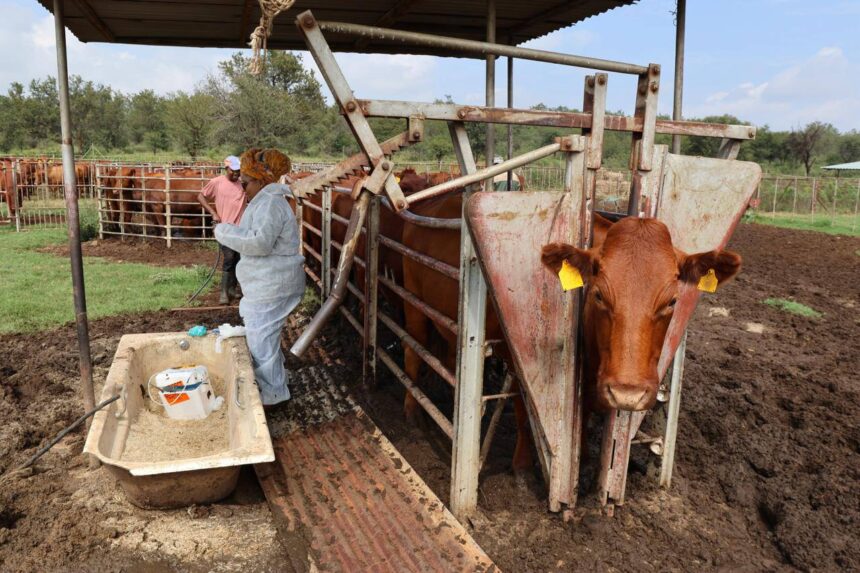
South Africa’s fight against Foot and Mouth Disease gained fresh momentum on 25 March as a dedicated technical team carried out a focused vaccination campaign in Ventersdorp within the JB Marks Local Municipality. The initiative forms part of ongoing efforts to contain the spread of this highly contagious livestock disease, which continues to threaten the agricultural sector. Teams on the ground worked directly with farmers, ensuring that animals received the necessary vaccinations to reduce infection risks. This hands on approach shows the urgency of the situation and the need for coordinated action. The campaign also reflects a broader national strategy aimed at protecting livestock, safeguarding food supply, and maintaining market access.
Foot and Mouth Disease remains one of the most serious animal health challenges facing South Africa today. The disease spreads quickly among cloven hoofed animals such as cattle, sheep, and goats, causing significant economic losses. Infected animals experience reduced productivity, while outbreaks often lead to movement restrictions and trade bans. These impacts place pressure on farmers, especially those who rely on livestock for income and food security. Containing the disease requires strict control measures, including vaccination, monitoring, and rapid response to suspected cases.
The vaccination drive in Ventersdorp focused on practical execution at farm level. Technical teams worked closely with local farmers to ensure proper handling of vaccines and accurate record keeping. This level of detail is critical, as incomplete coverage can weaken the overall effectiveness of the programme. Farmers received guidance on how to manage their herds during and after vaccination. They were also reminded of the importance of maintaining strong biosecurity practices on their farms. These include limiting animal movement, controlling access to farms, and disinfecting equipment and vehicles.
Authorities continue to stress that vaccination alone is not enough to stop the spread of Foot and Mouth Disease. Early detection and reporting remain essential parts of the response strategy. Farmers are strongly urged to report any suspected symptoms to veterinarians without delay. Quick reporting allows officials to investigate cases, isolate affected animals, and prevent further transmission. Delays in reporting can lead to wider outbreaks, increasing both financial losses and recovery time. This makes farmer awareness and cooperation a critical factor in controlling the disease.
The role of veterinarians in this process cannot be overstated. They provide expert assessment, confirm diagnoses, and guide farmers on the correct response measures. Their involvement ensures that outbreaks are handled according to established protocols. This includes quarantine procedures, vaccination follow ups, and movement controls where necessary. Strong communication between farmers and veterinary services improves the speed and effectiveness of interventions. It also builds confidence within the farming community during periods of uncertainty.
The ongoing campaign highlights the importance of collaboration between government teams, veterinary professionals, and farmers. Each group plays a specific role in managing the disease and protecting the livestock industry. Government provides coordination and resources, veterinarians offer technical expertise, and farmers implement measures on the ground. When these efforts align, the chances of controlling outbreaks improve significantly. This coordinated approach also supports long term resilience within the agricultural sector.
Farmers in the region are encouraged to remain vigilant even after vaccination efforts are completed. Monitoring livestock for signs of illness should continue as part of daily farm management. Simple actions such as checking for lesions, lameness, or unusual behavior can help detect problems early. Maintaining accurate farm records also supports traceability and response efforts if an outbreak occurs. These practices strengthen overall farm management while reducing disease risks.
The vaccination programme in Ventersdorp marks an important step in South Africa’s ongoing response to Foot and Mouth Disease. It shows that progress depends on consistent action, clear communication, and shared responsibility. While the threat remains serious, proactive measures can limit its impact and protect livelihoods. Farmers who stay alert, report cases quickly, and follow best practices play a direct role in safeguarding the industry. Continued commitment from all stakeholders will be essential to control the disease and support a stable agricultural future.
Join 'Farmers Mag' WhatsApp Channel
Get the latest Farming news and tips delivered straight to your WhatsApp
CLICK HERE TO JOIN




