

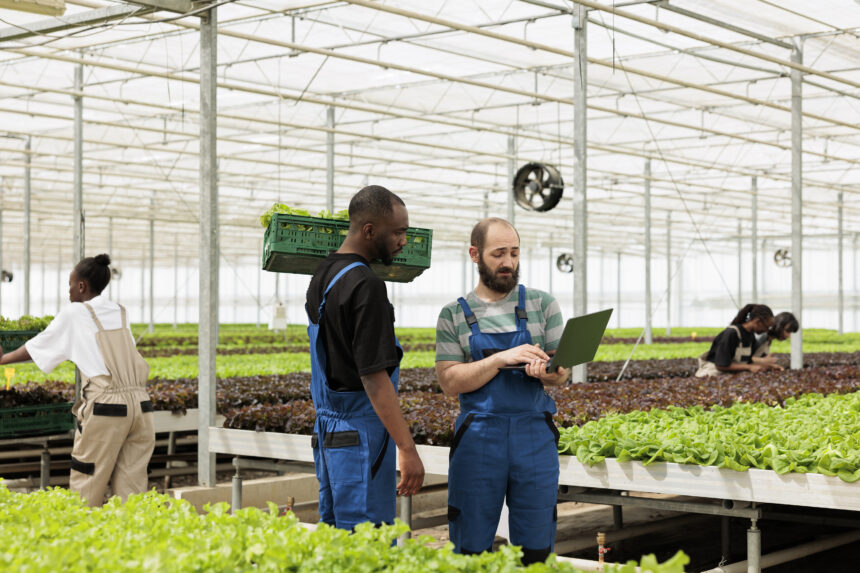
Choosing the right agricultural education and training provider in South Africa is a critical step for anyone who wants to build a successful career in farming or agribusiness. The agricultural sector continues to play a key role in food security, job creation, and economic growth, which makes proper training essential. Many young people and emerging farmers are looking for opportunities to gain practical skills that can translate into real income. However, the wide range of institutions and programmes available can make the decision difficult. A clear understanding of what to look for can help you select a provider that aligns with your goals and supports long term success.
South Africa offers a variety of agricultural training options, including universities, agricultural colleges, and private training institutions. Universities often focus on research and theory, offering degrees that prepare students for specialized roles in areas such as agronomy, animal science, and agricultural economics. Agricultural colleges tend to provide more practical, hands on training that prepares students for direct involvement in farming operations. Private training providers may offer short courses and skills programmes that focus on specific areas such as crop production, livestock management, or agribusiness. Each option serves a different purpose, so your choice should depend on whether you want academic depth, practical experience, or targeted skills.
Accreditation is one of the most important factors to consider when selecting a training provider. You need to ensure that the institution is registered with the relevant authorities and that its programmes meet national standards. Accredited programmes are recognized by employers and can open doors to further education opportunities. Without proper accreditation, your qualification may not carry value in the job market. It is also important to check whether the provider is aligned with the National Qualifications Framework, which ensures consistency and quality in education across the country. This step protects your investment in both time and money.
The quality of training is also influenced by the facilities and resources available at the institution. A good agricultural training provider should have access to farms, equipment, and laboratories where students can gain practical experience. Learning in a classroom alone is not enough in agriculture, where hands on skills are essential. You should look for institutions that offer fieldwork, internships, or on site training opportunities. These experiences allow you to apply what you learn and build confidence in real farming environments. They also make you more competitive when entering the job market or starting your own venture.
Another key factor is the relevance of the curriculum to current industry needs. Agriculture is evolving due to climate change, technology, and shifting market demands. Training programmes should include modern farming techniques, sustainable practices, and basic business management skills. You need to understand not only how to produce but also how to market and sell your products. Providers that include agritech, water management, and climate smart agriculture in their courses are better positioned to prepare you for the future. This ensures that your skills remain useful and adaptable in a changing environment.
Cost and accessibility also play a major role in your decision. Tuition fees, accommodation, and transport can be barriers for many students, especially those from rural areas. Some institutions offer financial aid, bursaries, or government supported programmes that can reduce the financial burden. It is important to explore these options early and apply on time. Location is another consideration, as studying closer to home can reduce costs and make it easier to stay connected to your community. However, you should balance convenience with the quality of education offered.
Support services provided by the institution can also influence your success. Career guidance, mentorship programmes, and job placement support can help you transition from training into employment or entrepreneurship. Some providers maintain strong links with industry partners, which can create opportunities for internships and employment. Others offer incubation support for students who want to start their own agribusinesses. These services can make a significant difference in how quickly and effectively you establish yourself after completing your training. Choosing a provider that invests in student success beyond the classroom is a smart decision.
Finding the right agricultural education and training provider in South Africa requires careful research and clear goals. You need to consider accreditation, practical training opportunities, curriculum relevance, cost, and support services before making a decision. The right choice can equip you with the skills needed to succeed in a competitive and evolving sector. It can also open doors to further education, employment, or entrepreneurship in agriculture. By selecting a provider that meets your needs and aligns with industry demands, you position yourself for long term growth and meaningful contribution to the agricultural sector.
Join 'Farmers Mag' WhatsApp Channel
Get the latest Farming news and tips delivered straight to your WhatsApp
CLICK HERE TO JOIN




