

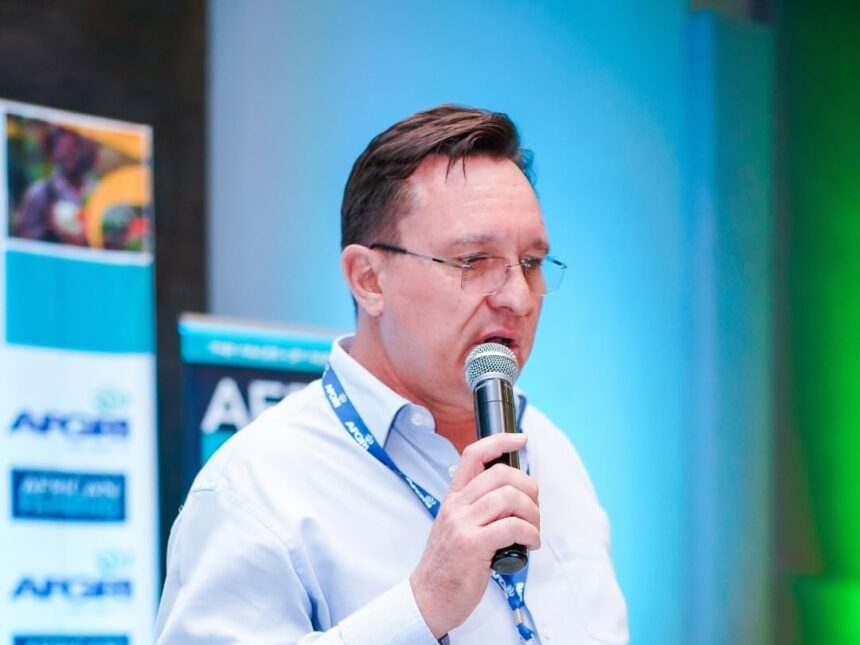
Agriculture took centre stage as a key driver of economic growth and resilience during the Agri-Development Imbizo, where Gauteng MEC for Agriculture and Rural Development, Vuyiswa Ramokgopa, delivered a focused keynote address. She stressed that agriculture remains one of South Africa’s most dependable economic pillars, with the ability to create jobs, support food security, and drive inclusive development. Her message was clear and direct, placing the sector at the heart of national progress. She highlighted that agriculture does not only support rural economies but also strengthens urban supply chains and small business ecosystems. This framing positioned agriculture as a practical tool for both economic recovery and long term stability.
Ramokgopa emphasized that agriculture’s value goes beyond production, pointing to its role in sustainability and opportunity creation. She noted that the sector supports a wide range of industries, from logistics to retail, which depend on consistent agricultural output. This interconnected value chain creates multiple entry points for emerging farmers and agripreneurs. Her remarks encouraged stronger investment in skills, infrastructure, and technology to unlock this potential. She reinforced the idea that inclusive growth in agriculture requires deliberate support for small scale producers and better access to markets.
A key highlight of the Imbizo was a technical session led by Louw Van Reenen from Beefmaster Group, who addressed the ongoing threat of Foot and Mouth Disease. He unpacked global trends, showing how outbreaks in major livestock regions affect trade, pricing, and local production systems. He explained how South African farmers face both risk and opportunity in this environment. While the disease disrupts exports and movement, it also pushes the industry to improve biosecurity and traceability. His insights gave farmers practical direction on how to adapt and remain competitive.
Van Reenen focused on turning crisis into opportunity by strengthening farm level practices. He stressed the need for strict biosecurity measures, including controlled access, regular monitoring, and early reporting of symptoms. These steps help limit the spread of disease and protect herd value. He also highlighted the importance of collaboration between farmers, veterinarians, and government authorities. This coordinated approach improves response times and reduces long term damage to the industry. For Gauteng farmers, his message provided clear actions that can be implemented immediately.
The discussion expanded with input from Andries Greeff of Standard Bank, who addressed the financial side of agricultural resilience. He pointed out that access to funding and risk management tools is essential for farmers dealing with uncertainty. He encouraged producers to adopt structured financial planning and to make use of available support systems. His contribution linked economic sustainability with practical farm management. This perspective reinforced the idea that resilience requires both technical and financial discipline.
A dynamic floor discussion brought together farmers, industry leaders, and government representatives in direct engagement. Participants raised real challenges, including disease control, input costs, and market access barriers. Ramokgopa responded by stressing the need for closer cooperation across sectors. She stated clearly that business and government cannot operate in isolation if they want to achieve meaningful progress. This exchange created a space for practical problem solving rather than abstract policy debate. It also built trust by allowing farmers to voice concerns and receive direct feedback.
The Imbizo highlighted resilience as a central theme, supported by innovation and shared responsibility. Speakers encouraged the use of data, technology, and improved farming methods to increase productivity. They also emphasized the importance of adapting to changing conditions, including climate pressures and shifting market demands. Farmers were urged to stay informed and connected to industry developments. This approach helps them respond faster and make better decisions on the ground.
Agriculture in South Africa continues to show strong potential despite ongoing challenges. The sector supports food supply, exports, and employment across multiple regions. Events like the Agri-Development Imbizo play a critical role in aligning stakeholders and sharing knowledge. They also create momentum for action by linking policy, finance, and farm level realities. The conversations held during this gathering reflect the urgency of strengthening the sector through cooperation.
The outcomes of the Imbizo point to a clear path forward for agriculture in Gauteng and beyond. Strong partnerships between government, industry, and farmers will drive progress and unlock growth. Practical solutions such as improved biosecurity, better financing, and expanded market access can deliver measurable results. Ramokgopa’s message reinforced that agriculture remains a cornerstone of the economy and a source of opportunity for many South Africans. The event showed that when stakeholders work together, the sector can move from challenge to growth with confidence.
Join 'Farmers Mag' WhatsApp Channel
Get the latest Farming news and tips delivered straight to your WhatsApp
CLICK HERE TO JOIN




