

Maximizing crop yield on 20 hectares requires a combination of sustainable farming practices, careful planning, and efficient resource management. Farmers must prioritize soil health, water conservation, pest management, and crop diversification to maintain productivity over the long term while minimizing environmental impact. Soil management is the foundation of high-yield farming. Regular soil testing helps determine nutrient levels and pH balance, guiding the application of organic and inorganic fertilizers. Techniques such as crop rotation, intercropping, and cover cropping improve soil fertility, reduce erosion, and suppress weeds naturally, enhancing productivity without over-reliance on chemicals.
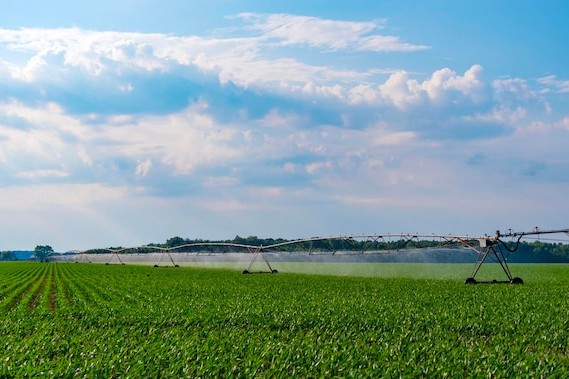
Water management is critical for sustainable farming. Implementing drip irrigation or sprinkler systems reduces water wastage while ensuring crops receive adequate moisture. Rainwater harvesting and constructing small retention dams or ponds can supplement irrigation needs, particularly during dry seasons, securing consistent growth across all 20 hectares. Pest and disease control must be proactive and environmentally responsible. Integrated Pest Management (IPM) combines biological controls, resistant crop varieties, and targeted chemical applications to manage pests while protecting beneficial organisms. Regular field monitoring and timely interventions prevent widespread infestations and minimize crop losses.
Crop selection and diversification are essential for maximizing output. Planting a mix of high-value and resilient crops spreads risk and ensures continuous income throughout the season. Introducing legumes into rotations improves soil nitrogen levels, reducing fertilizer dependency while supporting surrounding crops. Mechanization and labor efficiency also enhance yields. Using appropriate farm equipment for plowing, planting, and harvesting reduces time and labor costs while improving precision. Combining mechanization with careful land-use planning ensures optimal use of all 20 hectares.
Finally, record-keeping and farm monitoring enable data-driven decisions. Tracking planting dates, fertilizer applications, water usage, and pest incidences allows farmers to identify trends, adapt practices, and continuously improve yields. By integrating these sustainable practices, farmers can maximize production on 20 hectares while maintaining long-term soil fertility, conserving resources, and promoting environmental sustainability. This approach ensures profitable farming without compromising the health of the land for future seasons.
Join 'Farmers Mag' WhatsApp Channel
Get the latest Farming news and tips delivered straight to your WhatsApp
CLICK HERE TO JOIN




