South African farmers face critical decisions when it comes to feeding livestock, and choosing between silage and hay can significantly impact herd health, productivity, and farm profitability. Both silage and hay serve as preserved forage, but their production methods, nutritional value, and storage requirements differ. Understanding these differences allows farmers to select the most suitable option for their farm conditions, livestock needs, and climate.
Silage is fermented, high-moisture forage typically stored in silos, pits, or wrapped bales. It retains a high nutritional value, especially protein and energy, making it ideal for dairy cows and growing livestock. Silage production requires timely harvesting, proper chopping, and airtight storage to ensure effective fermentation. Farmers benefit from silage’s consistent feed quality and palatability, which can improve milk yield and weight gain. However, silage requires careful management to prevent spoilage and may need more labour and equipment compared to hay.
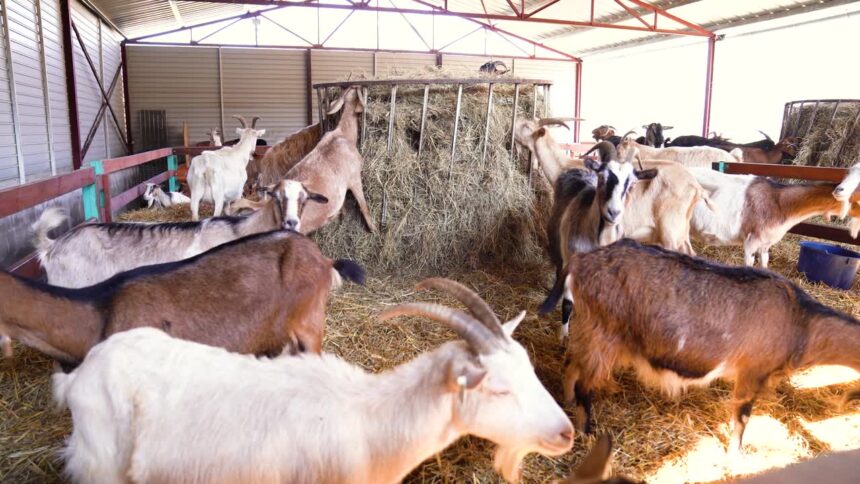
Hay is dried forage stored at low moisture levels, usually in bales. It is easier to handle and transport and does not require airtight storage. Hay quality depends on cutting at the correct stage of maturity and proper drying to prevent mould. While slightly lower in protein and energy than silage, hay is effective for maintaining livestock nutrition, particularly in beef herds and smallholder operations. It also allows farmers to feed animals directly without complex equipment.
The choice between silage and hay depends on several factors. Climate plays a key role; in regions with high rainfall or humid conditions, producing dry hay can be challenging, making silage a more reliable option. Storage facilities and labour availability also influence decisions, as silage requires airtight storage and monitoring. Cost considerations are important, as silage production can be more expensive initially, but may result in better livestock performance and reduced waste.
Many South African farmers adopt a combination of both. Silage can be used during high-production periods or for lactating cows, while hay serves as backup feed during dry seasons or for less demanding livestock. Integrating both strategies ensures year-round feed availability, optimises nutrition, and supports herd health.
By weighing the advantages and limitations of silage and hay, South African farmers can make informed decisions that improve livestock productivity and farm sustainability. Proper planning, production management, and storage practices are key to maximising the benefits of preserved forage.
Join 'Farmers Mag' WhatsApp Channel
Get the latest Farming news and tips delivered straight to your WhatsApp
CLICK HERE TO JOIN