

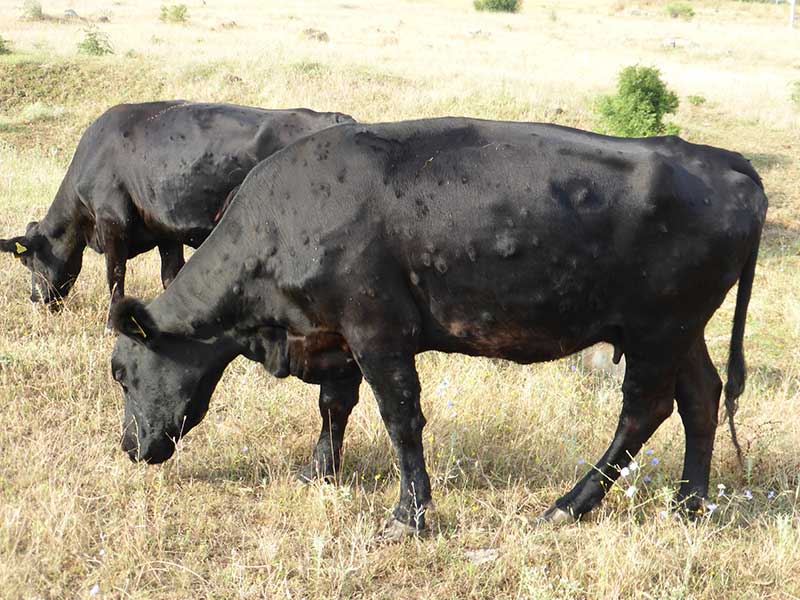
Lumpy Skin Disease (LSD) is a viral disease affecting cattle in South Africa, with significant economic implications for farmers. The disease is caused by the capripoxvirus and is highly contagious among cattle, spreading through direct contact and biting insects such as mosquitoes, ticks, and flies. While LSD rarely kills adult cattle, it causes severe production losses, reduces milk yield, and can lead to infertility or abortion in pregnant cows. Understanding the symptoms, prevention methods, and recovery process is essential for managing the disease effectively.
Symptoms of Lumpy Skin Disease are generally visible within 1–4 weeks after infection. Cattle typically develop firm, round nodules on the skin, which may become raised and ulcerated. Other common signs include fever, swollen lymph nodes, nasal discharge, eye inflammation, and loss of appetite. In severe cases, the lesions can cause secondary infections, affecting the animal’s overall health and productivity. Early detection is crucial, as prompt isolation of infected animals helps prevent further spread within a herd.
Preventing LSD requires a combination of vaccination, biosecurity, and vector control measures. Vaccination remains the most effective tool, with the government providing access to approved capripoxvirus vaccines in endemic areas. Farmers should implement strict hygiene practices, including disinfecting equipment, quarantining new or sick animals, and controlling insect populations through repellents or insecticides. Minimizing contact between herds and monitoring for early symptoms can further reduce the risk of outbreaks.
Recovery from LSD varies depending on the severity of the infection and the level of care provided. Most cattle recover within 2–4 weeks if adequately managed. Supportive care, such as providing clean water, good nutrition, and treating secondary bacterial infections, is critical to recovery. Severely affected animals may require additional veterinary attention to prevent complications. Farmers should maintain detailed records of affected cattle to monitor recovery and prevent reinfection.
The economic impact of LSD in South Africa is considerable. Outbreaks lead to reduced milk production, lower weight gain, trade restrictions, and additional costs for treatment and biosecurity. Farmers may also face culling of severely affected animals, further increasing financial losses. By implementing preventive measures and closely monitoring herd health, farmers can reduce the risk of outbreaks and protect both productivity and income.
Lumpy Skin Disease poses a serious challenge for South African cattle farmers. Recognizing symptoms early, investing in vaccination programs, and maintaining strong biosecurity protocols are essential for prevention. With proper care and management, infected cattle can recover, and farmers can safeguard their herds from long-term losses. Education, vigilance, and proactive farming practices remain the best defenses against this contagious livestock disease.
Join 'Farmers Mag' WhatsApp Channel
Get the latest Farming news and tips delivered straight to your WhatsApp
CLICK HERE TO JOIN




