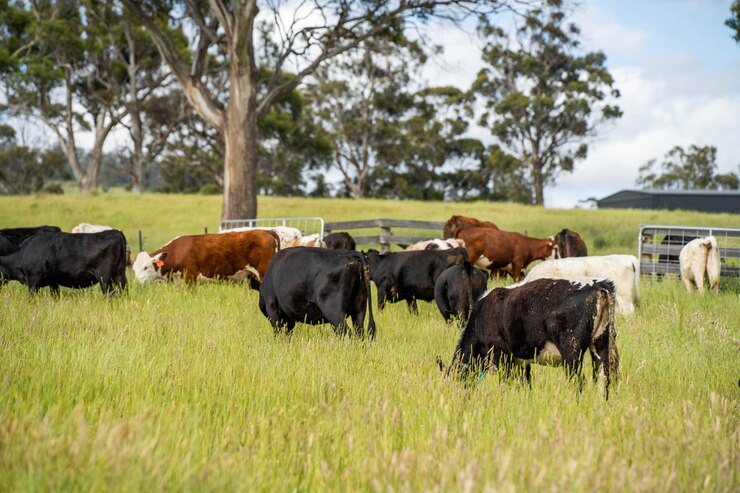
Maintaining optimal body condition scores (BCS) in livestock is essential for farm productivity, reproductive performance, and overall herd health. A body condition score reflects the amount of fat and muscle an animal carries, usually on a scale of 1 to 5 for cattle, where 1 is very thin and 5 is obese. Proper management ensures animals remain in ideal condition throughout the year, supporting growth, lactation, and breeding cycles.
Nutrition is the most important factor in maintaining body condition. Providing balanced feed that meets energy, protein, mineral, and vitamin requirements is critical. During periods of high energy demand, such as late pregnancy or early lactation, additional supplementation may be necessary. Pasture management, including rotational grazing and the use of conserved fodder, ensures that livestock have consistent access to quality forage year-round. Monitoring forage availability during dry seasons allows farmers to adjust feeding strategies in advance.
Regular monitoring of body condition is essential. Farmers should assess animals at least quarterly, checking key areas such as ribs, backbone, and tailhead. Early detection of weight loss allows for timely intervention before animals reach critical condition scores. Adjustments can include feed supplementation, improved pasture access, or changes to herd management, such as separating under-conditioned animals for targeted feeding.
Health management also impacts body condition. Parasite control, vaccination programs, and prompt treatment of illness prevent unnecessary energy loss and support nutrient utilisation. Stress management, including minimizing long-distance transportation and overcrowding, helps livestock maintain condition by reducing energy expenditure and supporting immune function.
Seasonal planning is key to maintaining consistent body condition. Dry seasons, cold winters, or periods of high production can challenge livestock nutrition and energy balance. Strategic use of feed reserves, mineral supplementation, and drought-tolerant forage crops can buffer animals against these seasonal fluctuations. Implementing herd management practices that match nutrition to life stage and production level ensures that all animals maintain optimal condition year-round.
By combining nutrition, health care, monitoring, and seasonal planning, farmers can maintain body condition scores consistently. This approach improves reproductive success, milk production, and overall herd performance, ensuring livestock remain productive and resilient throughout the year.
Join 'Farmers Mag' WhatsApp Channel
Get the latest Farming news and tips delivered straight to your WhatsApp
CLICK HERE TO JOIN