

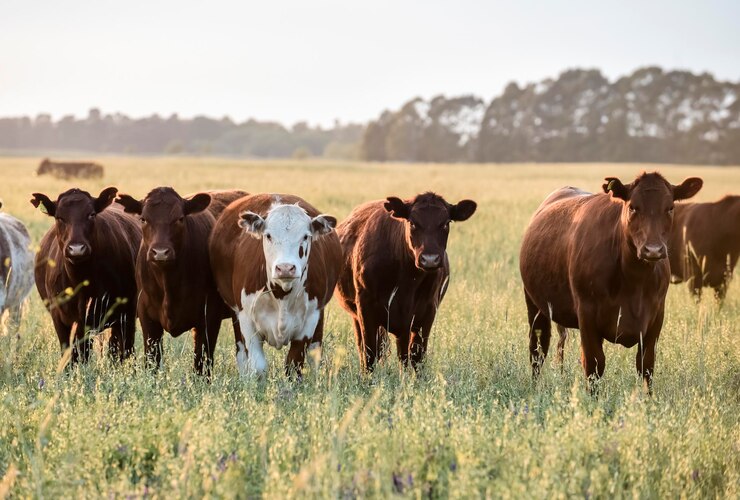
Heifer development is a crucial aspect of dairy and beef farming that directly influences the long-term productivity and profitability of a herd. Proper management from birth to first calving ensures that young cows reach their genetic potential for milk production, reproduction, and overall health. Nutrition plays a central role, with a balanced diet supporting optimal growth rates, body condition, and immune function. Feeding strategies should focus on high-quality forages, adequate protein, minerals, and vitamins, while avoiding overfeeding energy that can lead to excessive fat deposition and reproductive issues. Regular health monitoring, including vaccinations and parasite control, protects heifers from disease and sets a foundation for a productive adult life.
Beyond nutrition, proper housing and handling practices are essential for reducing stress and encouraging normal growth. Heifers need clean, dry, and well-ventilated environments that allow social interaction while minimizing disease exposure. Growth targets should be monitored closely, with adjustments in feed and management to meet breed-specific benchmarks for weight and height at key developmental stages. Reproductive management, including the timing of puberty and first breeding, is also critical, as early but properly managed breeding can reduce unproductive periods and optimize lifetime milk yield. By focusing on these areas, farmers can ensure their heifers transition smoothly into productive adults, improving herd efficiency and farm profitability over the long term.
Effective heifer development programs require careful record-keeping and regular evaluation of growth, health, and reproductive performance. Farmers should track weight, height, body condition score, and feed intake, while monitoring for signs of illness or stress. Genetic selection for fertility, milk production, and disease resistance should also be integrated into development plans to maximize herd potential. Collaboration with veterinarians and nutritionists can help design and adjust programs to meet specific farm goals and environmental conditions. A well-structured heifer development program not only produces healthier, more productive cows but also reduces overall farm costs and supports sustainable livestock management practices.
Join 'Farmers Mag' WhatsApp Channel
Get the latest Farming news and tips delivered straight to your WhatsApp
CLICK HERE TO JOIN




