

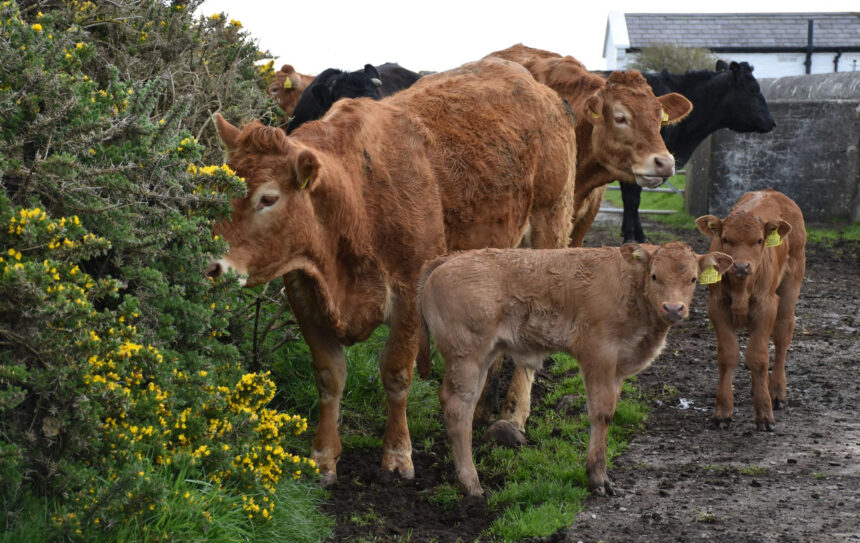
In South Africa, understanding the optimal breeding season is essential for livestock producers seeking maximum calving success. Proper timing ensures healthy calves, improved herd productivity, and efficient resource use. Aligning calving with periods of abundant natural forage reduces stress on cows and supports optimal growth of newborn calves. Strategic planning also allows farmers to prepare facilities, feed, and veterinary care in advance, minimizing losses. Knowledge of local climate, rainfall patterns, and grazing availability is critical in deciding the best breeding window.
The ideal breeding season depends on the region, herd management system, and climate conditions. In many areas, breeding in late summer or early autumn leads to calving during spring, when pasture growth is at its peak. This timing ensures cows have access to sufficient nutrition, supporting lactation and calf development. Farmers using natural mating or artificial insemination must synchronize breeding schedules to maximize conception rates. Proper planning also helps avoid calving during extreme weather, which can negatively impact both cows and calves.
Nutrition plays a critical role in reproductive success. Cows must reach optimal body condition before mating, as underweight or overconditioned animals may experience reduced fertility. Supplementing feed with energy- and protein-rich sources during breeding and early pregnancy supports conception and fetal growth. Adequate mineral and vitamin intake further enhances reproductive performance. Well-nourished cows produce healthier calves and recover faster postpartum, improving overall herd productivity.
Health management is equally important during the breeding season. Vaccinations, deworming, and disease prevention measures protect reproductive performance and calf survival. Early detection of reproductive issues, such as infertility or anestrus, allows timely intervention and reduces losses. Heat detection and proper artificial insemination techniques can improve conception rates, especially when combined with natural mating programs. A focus on herd health ensures both current and future calving cycles are productive.
Record-keeping and monitoring allow farmers to make data-driven decisions. Tracking mating dates, calving intervals, and cow fertility data helps adjust breeding strategies for maximum efficiency. Detailed records also assist in identifying trends or recurring issues that could impact productivity. This approach supports long-term herd improvement and profitability. By combining careful planning, nutrition, health management, and accurate records, South African farmers can achieve sustainable and successful calving seasons.
Join 'Farmers Mag' WhatsApp Channel
Get the latest Farming news and tips delivered straight to your WhatsApp
CLICK HERE TO JOIN




