

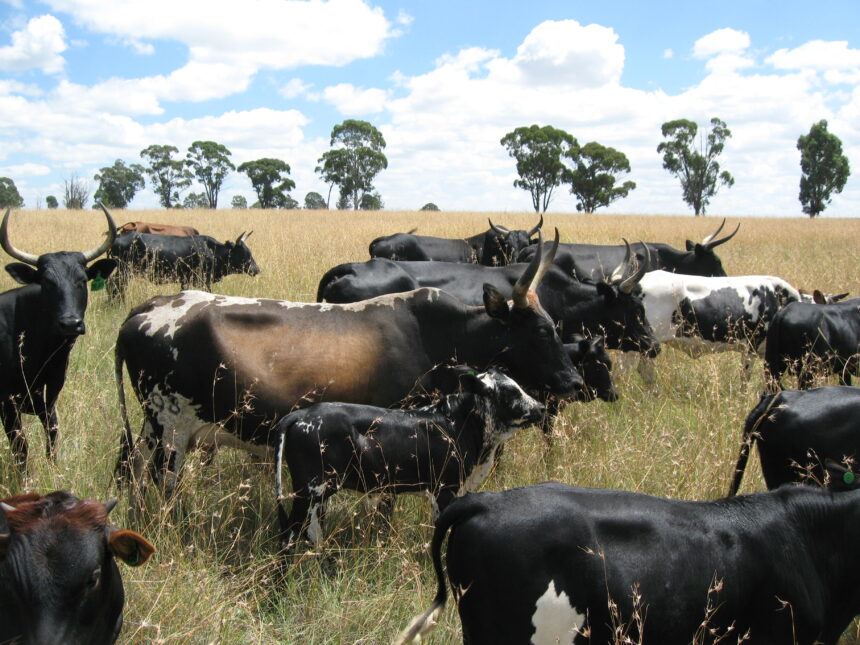
Nguni cattle are a cornerstone of South Africa’s agricultural heritage. Known for their resilience, adaptability, and striking patterned hides, Nguni cattle are prized by small-scale and commercial farmers alike. These indigenous animals thrive in harsh climates, resist local diseases, and require less intensive management than exotic breeds. Beyond their practical value, Nguni cattle hold cultural and economic significance, especially in rural communities where they are used for traditional ceremonies, bride wealth, and savings. Understanding Nguni cattle, their characteristics, and management needs can help farmers maximize both productivity and profitability.
One of the most notable traits of Nguni cattle is their adaptability. They survive on low-quality grazing and tolerate drought better than many exotic breeds. Their resistance to diseases such as tick-borne illnesses and common local parasites reduces veterinary costs. Nguni cattle also have strong maternal instincts, producing healthy calves with minimal intervention. These traits make them suitable for extensive grazing systems and communal farming areas. Farmers in semi-arid and variable climates find Nguni cattle particularly valuable for sustainable livestock production.
Nguni cattle are easily recognized by their distinctive multicoloured coats. Patterns range from speckled, spotted, to solid shades in combinations of black, brown, white, and red. Each animal’s coat is unique, and traditional breeders often select animals based on colour patterns alongside productivity traits. Their medium size and strong frame allow them to perform well in both draught and beef production roles. The combination of beauty and function makes Nguni cattle highly sought after for cultural events, ceremonial purposes, and commercial use.
Managing Nguni cattle effectively requires understanding their grazing and nutritional needs. While they are hardy, providing adequate pasture improves growth rates, reproductive performance, and milk yield. Rotational grazing preserves veld quality and reduces overgrazing. Supplementary feeding during dry seasons can prevent weight loss and maintain herd health. Water sources should be clean and accessible, as hydration is critical for optimal productivity. Proper herd management, including vaccination, deworming, and routine health checks, ensures Nguni cattle remain strong and productive.
Nguni cattle contribute significantly to South Africa’s economy. They provide high-quality beef with low fat content, appealing to both local and niche export markets. The hides are used for crafts, furniture, and traditional attire, generating additional income streams. In rural areas, they serve as living assets, often used for bride wealth, community savings, and ceremonial events. This dual economic and cultural role reinforces the importance of preserving and promoting the breed.
Breeding Nguni cattle focuses on both productivity and conservation of genetic diversity. Selective breeding improves traits such as fertility, growth rate, and disease resistance while maintaining the unique coat patterns. Herd records and performance tracking help farmers make informed decisions. Community-based breeding programs and stud farms also play a role in preserving rare genetic lines, ensuring the long-term sustainability of Nguni cattle.
Nguni cattle represent more than livestock—they are a symbol of South Africa’s agricultural heritage and rural resilience. Their adaptability, disease resistance, and cultural significance make them indispensable to farmers and communities. By combining traditional knowledge with modern livestock management practices, farmers can optimize production while preserving the breed’s unique characteristics. Investing in Nguni cattle not only supports sustainable farming but also protects a living piece of South Africa’s indigenous legacy.
Join 'Farmers Mag' WhatsApp Channel
Get the latest Farming news and tips delivered straight to your WhatsApp
CLICK HERE TO JOIN




