

Climate variability and water scarcity are forcing farmers to rethink crop choices. Indigenous crops offer a practical solution because they evolved under harsh local conditions. They require less water, tolerate poor soils, and show strong resistance to pests and diseases. For commercial farmers, these traits reduce input costs and production risk. Demand is also rising as consumers seek nutritious, climate-smart foods. Commercialising indigenous crops is no longer niche. It is a strategic move for resilient agriculture.
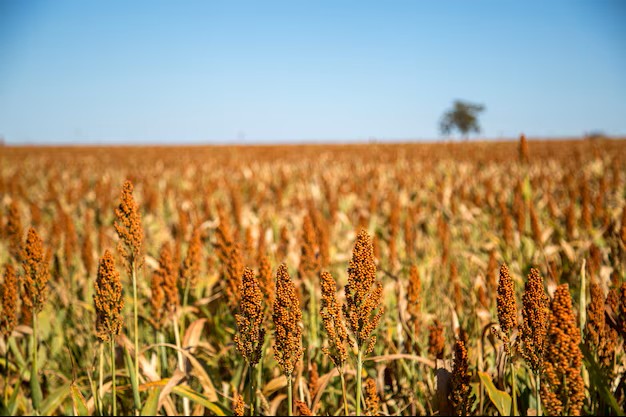
Sorghum is one of the most reliable drought-resistant crops in Southern Africa. It thrives in low rainfall areas and performs well on marginal soils. Sorghum uses up to 30 percent less water than maize under similar conditions. It has strong market potential in human food, animal feed, and brewing industries. Value-added products include flour, breakfast cereals, and gluten-free baked goods. Commercial demand continues to grow due to its nutritional profile and climate resilience.
Cowpeas are a dual-purpose crop that offers both grain and leafy vegetables. They tolerate heat and drought better than most legumes. Cowpeas fix nitrogen in the soil, reducing fertiliser costs and improving soil health. The leaves are highly nutritious and popular in local and regional markets. Dry grain demand is strong in both formal and informal value chains. This makes cowpeas suitable for diversified commercial production.
Bambara groundnuts are among the most drought-tolerant legumes in Africa. They produce yields even when rainfall is erratic and soils are poor. The crop requires minimal external inputs and performs well without irrigation. Bambara groundnuts have high protein content and long shelf life. Market interest is increasing in health food and plant-based protein sectors. With improved processing and branding, the crop holds strong commercial promise.
Pearl millet is well suited to hot, dry environments where other cereals fail. It matures quickly and withstands both drought and high temperatures. Pearl millet delivers stable yields under low rainfall conditions. It is used for porridge, flour, traditional beverages, and livestock feed. The crop has a low glycaemic index, increasing its appeal to health-conscious consumers. Commercial expansion is supported by its adaptability and growing demand.
Amaranth is a highly resilient indigenous crop grown for both leaves and grain. It tolerates heat and water stress better than most leafy vegetables. Amaranth grows fast, allowing multiple harvests in a single season. The leaves are rich in iron, calcium, and vitamins, making them attractive to urban and export markets. Grain amaranth is used in cereals, snacks, and gluten-free products. Its short growth cycle and high nutritional value make it ideal for commercial scaling.
Indigenous drought-resistant crops reduce climate risk while opening new market opportunities. They lower water use, cut input costs, and improve farm resilience. With proper seed systems, aggregation, and market development, these crops can move from subsistence to commercial scale. Farmers who adopt them early position themselves ahead of climate pressure. The future of profitable farming lies in crops that work with the environment. Indigenous crops meet that demand.
Join 'Farmers Mag' WhatsApp Channel
Get the latest Farming news and tips delivered straight to your WhatsApp
CLICK HERE TO JOIN




