

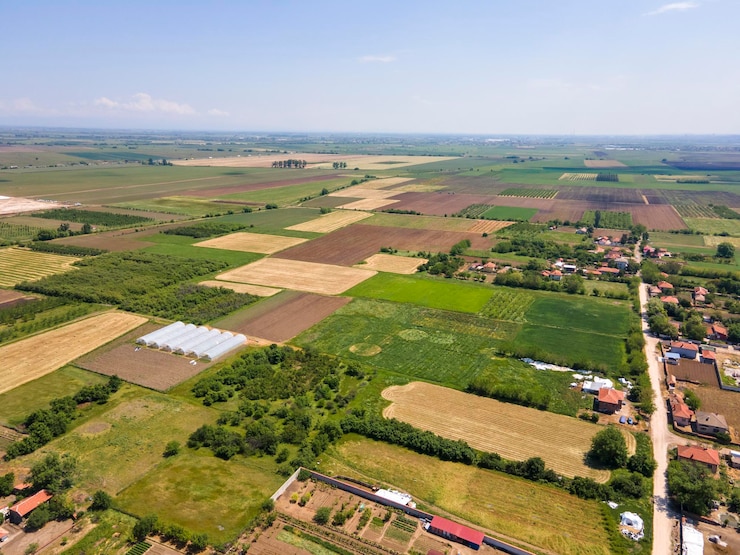
Traditional leaders play a vital role in shaping land access and supporting farming development in rural communities. In many areas, they act as custodians of communal land, overseeing allocation and use while ensuring customary laws and practices are respected. Their involvement is critical for small-scale and emerging farmers who rely on secure land access to grow crops, raise livestock, and develop sustainable enterprises. Understanding the influence of traditional leaders helps explain how land governance affects agricultural productivity and rural development.
One of the key responsibilities of traditional leaders is facilitating access to communal land. They coordinate land allocation for households and farmers, often considering family needs, farming experience, and community priorities. By providing clarity on land boundaries and usage rights, leaders reduce conflicts and ensure equitable access. Their decisions directly impact the ability of farmers to plan, invest, and expand agricultural activities. In some cases, leaders also mediate disputes between farmers, protecting both livelihoods and social harmony.
Traditional leaders often support farming development beyond land access. They can promote agricultural initiatives, encourage adoption of modern farming techniques, and help link farmers to government programs or extension services. In communities where access to formal institutions is limited, leaders serve as trusted intermediaries, guiding farmers on compliance with regulations, water use, and sustainable practices. Their endorsement can also attract resources such as inputs, equipment, or training programs to local farmers.
Collaboration between traditional leaders, government departments, and development agencies strengthens rural agriculture. Leaders can facilitate community buy-in for projects, coordinate local participation, and monitor implementation on the ground. This ensures that programs addressing food security, irrigation, and climate resilience are more effective and inclusive. Successful partnerships between leaders and farmers contribute to increased productivity, improved livelihoods, and long-term rural development.
Challenges exist, including balancing customary practices with formal land laws and addressing inequalities in land allocation. Training and support for traditional leaders on modern agricultural policies and governance can improve transparency and efficiency. When leaders understand both community needs and government requirements, they can better guide farmers while safeguarding communal resources.
Traditional leaders remain central to land access and farming development in rural areas. By regulating land, promoting sustainable practices, and linking farmers to support programs, they help build resilient agricultural communities. Strengthening their role through collaboration and capacity building can boost productivity, reduce conflicts, and support the long-term growth of rural farming economies.
Join 'Farmers Mag' WhatsApp Channel
Get the latest Farming news and tips delivered straight to your WhatsApp
CLICK HERE TO JOIN




