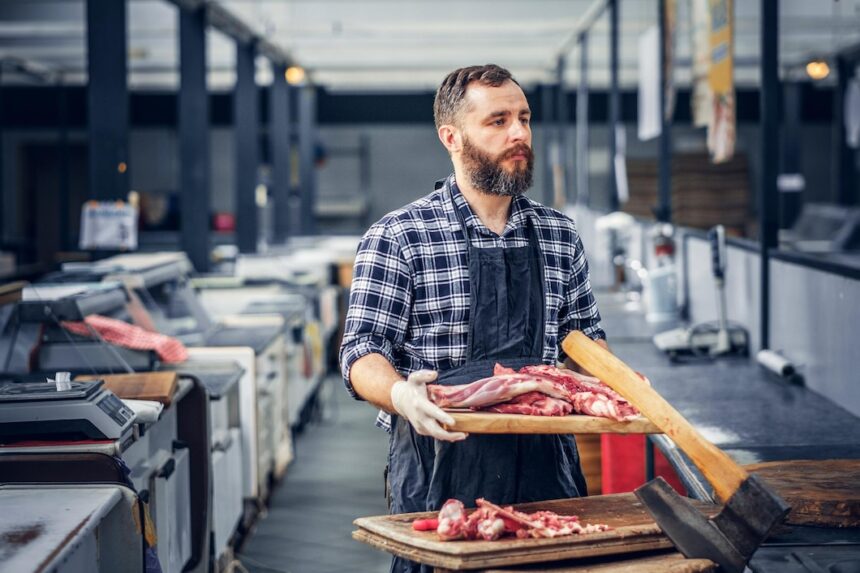
Ethical meat box schemes are gaining rapid popularity in Johannesburg and Cape Town as consumers shift toward responsible consumption and traceable food sources. These schemes deliver curated boxes of sustainably raised meat directly from producers to customers’ doors. They respond to growing demand for high‑quality protein that supports animal welfare, environmental stewardship and farmer livelihood.
Consumers in urban centres are increasingly concerned about how their meat is produced. Ethical meat boxes offer transparency in farming practices, with most suppliers sharing information on pasture‑based rearing, no hormones or antibiotics, and humane slaughter processes. This level of traceability resonates with buyers who want to know the origin of their food and reduce their environmental footprint. As awareness of sustainable food systems grows, more households in Johannesburg and Cape Town are subscribing to these schemes.
The business model benefits both farmers and consumers. Small‑scale and regenerative livestock farmers gain direct access to urban markets, avoiding traditional supply chain middlemen. This improves producer income and supports local agriculture. Consumers receive premium cuts at competitive prices because the supply chain is shorter and more direct. Many schemes also include value‑added products like specialty sausages, bone broth, and grass‑fed jerky, which increases customer choice and revenue for suppliers.
Logistics play a crucial role in the success of meat box delivery services. Schemes typically operate with online ordering platforms that allow customers to select weekly or monthly boxes based on preference and household size. Delivery is timed for freshness, with cold‑chain systems ensuring that products reach customers safely. Some services offer click‑and‑collect points in central locations across Johannesburg and Cape Town, providing flexibility for busy urban consumers.
Ethical meat schemes also align with broader food trends. Many subscribers seek diets that emphasize whole foods, reduced processing and sustainable sourcing. Eating ethically sourced meat supports regenerative agriculture, which prioritizes soil health, biodiversity and lower greenhouse gas emissions. Educational content from providers often includes farming stories, recipes and tips for reducing food waste, strengthening consumer engagement and loyalty.
Challenges remain, including scaling operations while maintaining ethical standards and managing costs associated with specialised farming practices. However, growing customer demand and strong community support suggest a sustainable future for ethical meat box schemes in South Africa’s major cities. As consumer priorities evolve, these services are poised to reshape how urban households access and value meat products.
For Johanneburg and Cape Town residents seeking responsible food options, ethical meat box schemes offer a meaningful way to support local farmers, enjoy premium products and contribute to a more sustainable food system.
Join 'Farmers Mag' WhatsApp Channel
Get the latest Farming news and tips delivered straight to your WhatsApp
CLICK HERE TO JOIN