

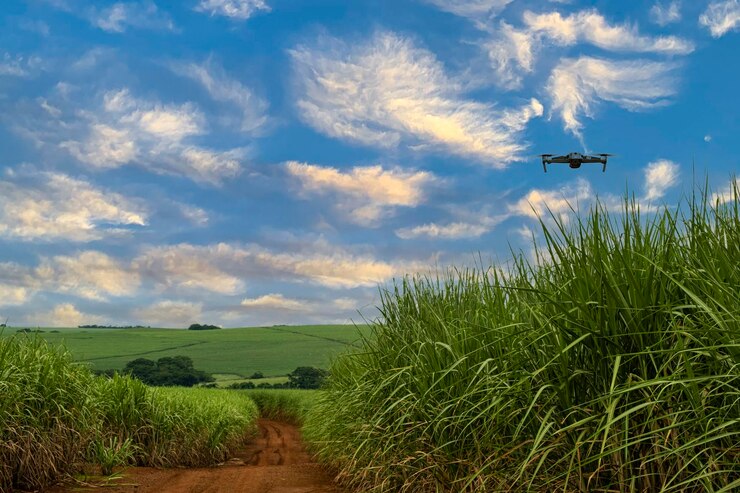
Precision farming is transforming agriculture worldwide, and South African farmers are increasingly exploring its potential to boost productivity, reduce waste, and improve profitability. By using technology such as GPS-guided machinery, drones, soil sensors, and data analytics, farmers can make informed decisions on planting, fertilising, and irrigation. While the upfront investment can be significant, the long-term benefits often justify the costs, particularly for commercial and large-scale operations.
Understanding the Costs of Precision Farming
Adopting precision farming requires investment in both hardware and software. Common costs include:
- GPS-Enabled Tractors and Machinery: High-precision equipment can cost anywhere from R500,000 to over R2 million depending on size and functionality.
- Drones and Sensors: Soil moisture sensors, weather stations, and drones for crop monitoring range from R50,000 to R200,000.
- Software and Data Analytics: Farm management software and subscription services can cost R10,000 to R50,000 per year.
- Training and Maintenance: Farmers must factor in training costs for staff and ongoing maintenance of equipment.
While these investments are substantial, precision farming reduces input waste, increases efficiency, and optimises yields, which contributes to a positive return on investment over time.
Return on Investment (ROI) for South African Farmers
The ROI of precision farming depends on farm size, crop type, and how effectively technology is used. Key benefits include:
- Reduced Input Costs: Optimised fertiliser, water, and pesticide application can reduce input costs by 15-30%.
- Increased Yields: Improved monitoring and decision-making can boost crop yields by 10-25%.
- Labour Efficiency: Automation and data-driven management reduce labour requirements and associated costs.
- Risk Management: Early detection of pests, diseases, or irrigation issues minimizes crop loss and stabilises income.
Studies indicate that most large-scale farms in South Africa recover their precision farming investment within 3-5 years, though smaller farms may take longer unless they focus on high-value crops or cooperative use of technology.
Challenges and Considerations
Farmers considering precision farming must also weigh challenges:
- High Initial Investment: Smaller farms may struggle with upfront costs. Cooperative purchasing or leasing equipment can help.
- Technical Expertise: Using sensors, drones, and software requires training and digital literacy.
- Infrastructure Needs: Reliable electricity, internet, and satellite connectivity are critical for real-time data and automation.
Careful planning, crop selection, and phased adoption can make precision farming accessible and profitable for more South African farmers.
Precision farming in South Africa is a high-investment but potentially high-return strategy. By reducing input waste, improving yields, and optimising labour, farmers can achieve significant long-term gains. Understanding both the costs and ROI is essential before adoption, ensuring that technology investment aligns with farm size, crop type, and financial goals. With proper planning and support, precision farming offers a sustainable path to increased productivity, profitability, and competitiveness in the modern agricultural landscape.
Join 'Farmers Mag' WhatsApp Channel
Get the latest Farming news and tips delivered straight to your WhatsApp
CLICK HERE TO JOIN




