

Load-shedding continues to pose challenges for South African farmers, affecting productivity, operational costs, and food security. Power outages disrupt irrigation systems, storage facilities, and processing operations, placing pressure on both small and large-scale producers. Understanding the impact and implementing mitigation strategies is essential for maintaining farm efficiency and protecting livelihoods.
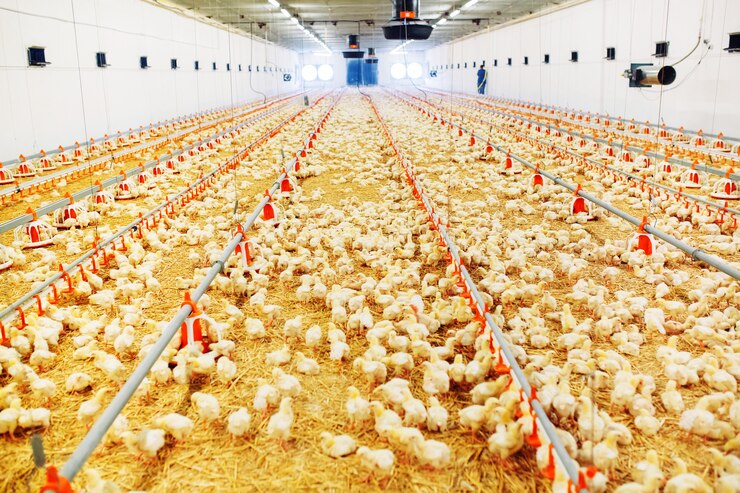
Irrigation-dependent crops are particularly vulnerable. During load-shedding, electric pumps stop functioning, leaving fields without sufficient water. This can reduce yields, especially during critical growth stages such as flowering or fruiting. Livestock farms also face challenges, as water supply, ventilation systems, and automated feeding equipment can fail, stressing animals and reducing productivity.
Storage and processing operations are affected as well. Cold storage facilities for fruits, vegetables, dairy, and meat rely on continuous electricity. Power interruptions can lead to spoilage, product loss, and financial damage. Similarly, processing plants for milling, canning, or juice production experience downtime, affecting supply chains and market delivery schedules.
Mitigation strategies focus on preparation and alternative solutions. Farmers can invest in backup generators or solar power systems to maintain critical operations. Battery storage for irrigation pumps and refrigeration units can reduce the risk of crop and livestock loss. Planning irrigation schedules around predicted load-shedding times helps ensure water reaches crops when it is most needed.
Implementing water conservation techniques, such as drip irrigation and rainwater harvesting, reduces dependence on electricity and increases resilience. On livestock farms, manual systems or gravity-fed water solutions can provide emergency support during outages. Farmers should also maintain clear communication with suppliers and markets to adjust production and delivery schedules in line with power availability.
Collaboration and information sharing are equally important. Farmers’ associations and extension services can provide updates on load-shedding schedules, recommended practices, and support networks. Government programs and grants for renewable energy and farm infrastructure upgrades also help reduce vulnerability.
While load-shedding presents significant challenges, proactive planning and investment in alternative energy solutions can protect agricultural productivity. By combining technology, resource management, and effective scheduling, farmers can mitigate the impact of power outages and continue to supply markets reliably, safeguarding both income and food security.
Join 'Farmers Mag' WhatsApp Channel
Get the latest Farming news and tips delivered straight to your WhatsApp
CLICK HERE TO JOIN




