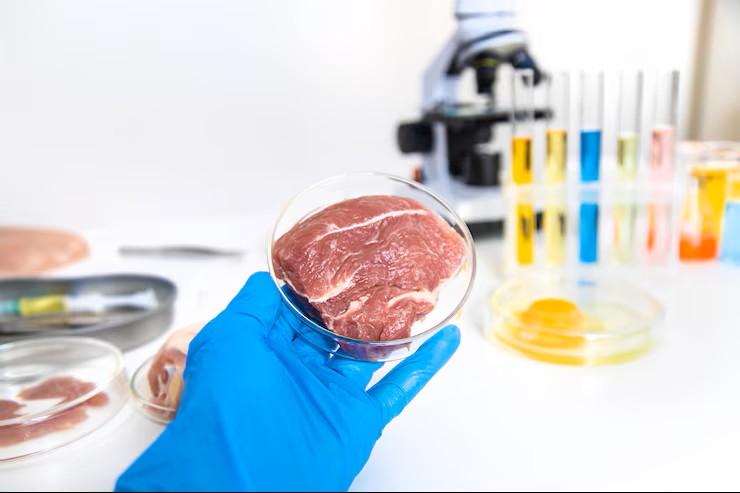
Lab-grown meat, also known as cultured or cell-based meat, is emerging as a major innovation in the global food industry. Produced by cultivating animal cells in controlled environments, lab-grown meat offers the taste, texture, and nutritional value of conventional meat without the need for raising and slaughtering livestock. As the technology develops, it has the potential to transform the meat sector in South Africa, creating both opportunities and challenges for local farmers.
Lab-Grown Meat: How It Works
Lab-grown meat starts with a small sample of animal cells, which are then nurtured in nutrient-rich media to grow into muscle tissue. This process bypasses conventional farming while using significantly less land, water, and feed. The result is meat that is nearly identical to traditional beef, chicken, or lamb, but with a lower environmental footprint and reduced risk of disease transmission.
Potential Benefits for South Africa
For South African consumers, lab-grown meat could provide a sustainable and safe alternative to traditional meat. With rising concerns about climate change, deforestation, and zoonotic diseases, cultured meat offers a lower-impact protein source. It can also improve food security, particularly in urban areas where livestock farming faces space and resource constraints.
Impact on Local Farmers
The rise of lab-grown meat poses both challenges and opportunities for South African farmers:
- Market Competition: Traditional livestock farmers may face increased competition as lab-grown meat becomes more affordable and widely available. This could pressure smallholders and commercial producers to adapt their business models.
- Diversification Opportunities: Farmers could diversify into producing inputs for cultured meat, such as high-quality feed, cell culture media components, or specialised equipment.
- Value-Added Roles: Livestock farmers can focus on niche, premium, or organic meat markets that emphasise traditional farming practices, local breeds, and ethical production.
Adoption Challenges
Widespread adoption of lab-grown meat in South Africa will depend on regulatory approval, consumer acceptance, and cost reduction. Cultural preferences for traditionally farmed meat, especially in rural areas, may slow uptake. Education campaigns and taste-testing initiatives could help bridge the gap between innovation and local food culture.
Future Outlook
Lab-grown meat is expected to expand rapidly globally over the next decade. For South African farmers, preparing for this shift means staying informed, exploring partnerships with biotech companies, and investing in sustainable practices that differentiate their products. Farmers who adapt early may benefit from emerging opportunities in research, production, and premium market niches.
Lab-grown meat represents a significant technological advancement with the potential to reshape the South African meat industry. While it introduces new challenges for traditional livestock farmers, it also creates avenues for diversification, innovation, and sustainability. By embracing change and exploring complementary roles in this evolving sector, South African farmers can remain competitive and continue contributing to national food security.
Join 'Farmers Mag' WhatsApp Channel
Get the latest Farming news and tips delivered straight to your WhatsApp
CLICK HERE TO JOIN