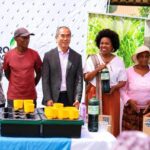
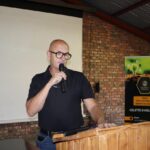
South African farmers and gardeners now have access to a valuable resource for managing plant health: plant clinics. These clinics provide free diagnosis of plant diseases, offering expert advice on how to prevent, control, and manage common crop problems. They are part of a broader effort to strengthen food security, improve crop yields, and support sustainable farming practices across the country.
Plant clinics operate as walk-in or appointment-based services where trained plant health experts examine diseased plants brought in by farmers or gardeners. The clinics identify pests, fungal infections, bacterial and viral diseases, and nutrient deficiencies. Once the problem is diagnosed, farmers receive practical recommendations on treatment, prevention strategies, and integrated pest management techniques.
These clinics are particularly useful for small-scale and emerging farmers who may lack access to private agricultural consultants. By offering free services, plant clinics ensure that cost is not a barrier to proper plant health management. Farmers also receive guidance on safe pesticide use, environmentally friendly practices, and ways to improve soil fertility to prevent future outbreaks.
In South Africa, plant clinics are often hosted at agricultural research centres, universities, and government extension offices. Provinces such as Limpopo, KwaZulu-Natal, Mpumalanga, and the Western Cape have active plant clinic networks. For example, the Agricultural Research Council (ARC) coordinates several clinics across the country, providing diagnostic services and technical advice. Local universities, including the University of Pretoria and Stellenbosch University, also run seasonal plant clinics in partnership with provincial agriculture departments.
Farmers are encouraged to bring affected plant samples with as much detail as possible about the symptoms, environmental conditions, and recent farming practices. High-quality photos or physical samples of leaves, stems, roots, or fruits help experts make accurate diagnoses. Clinics may also provide follow-up support via phone or email to monitor plant recovery and advise on ongoing management.
Plant clinics do more than treat diseases; they educate farmers. Many clinics run workshops on identifying early signs of disease, crop rotation, and sustainable pest management. They help farmers make informed decisions that reduce losses, improve yield quality, and promote long-term farm sustainability.
For farmers seeking free plant disease diagnosis in South Africa, contacting the nearest provincial Department of Agriculture or visiting the ARC website is a good starting point. Universities and agricultural colleges also provide up-to-date information on clinic locations, operating hours, and registration requirements.
Plant clinics are a practical and cost-effective way to maintain healthy crops, improve productivity, and empower farmers with knowledge. By using these services, South African farmers can protect their livelihoods, reduce crop losses, and contribute to a more resilient agricultural sector.
Join 'Farmers Mag' WhatsApp Channel
Get the latest Farming news and tips delivered straight to your WhatsApp
CLICK HERE TO JOIN