

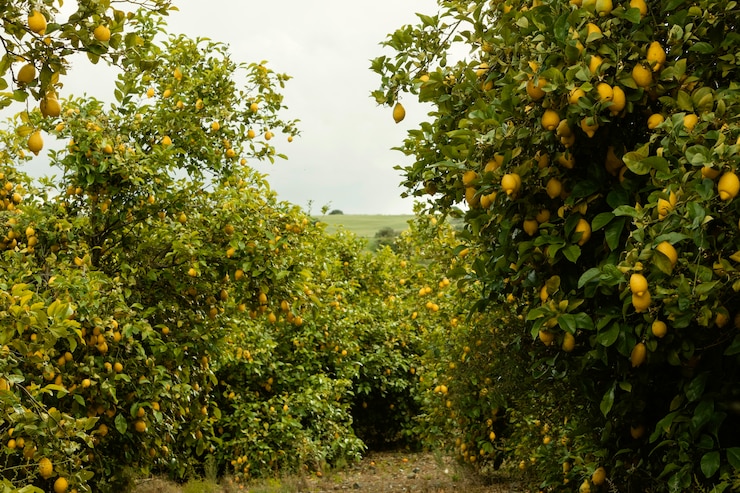
The citrus industry remains one of South Africa’s most important agricultural sectors. It plays a direct role in job creation, export earnings, and rural development. In provinces like Limpopo, citrus farming supports thousands of households and acts as a key driver of economic activity. The sector continues to evolve as producers respond to past challenges and position themselves for long term growth.
Citrus farming is a major source of employment. Across the country, the industry employs about 100,000 farm workers. These jobs cover orchard management, harvesting, packing, transport, and export handling. In many rural areas, citrus farms provide stable work where employment options are limited. This income supports families and strengthens local economies.
The impact goes beyond direct farm jobs. Citrus production supports a wide value chain that includes input suppliers, packhouses, transport operators, and port services. Each stage adds economic value and creates additional employment. In Limpopo, this multiplier effect plays a visible role in sustaining small towns and service centres linked to farming regions.
Limpopo holds a central position in national citrus production. The province accounts for roughly 40 percent of South Africa’s total output. Its climate, water resources, and established production areas make it ideal for a range of citrus varieties, including oranges, lemons, soft citrus, and grapefruits. This scale gives the province strategic importance within the national agricultural economy.
A large share of Limpopo’s citrus is produced for export markets. International buyers demand consistent quality, strict food safety compliance, and reliable supply. Producers in the province operate under high standards to meet these requirements. Compliance with global protocols has helped maintain South Africa’s reputation as a trusted citrus exporter and has opened access to high value markets.
Exports play a vital role in generating foreign income and supporting national trade performance. For Limpopo, export focused production has encouraged investment in packhouses, cold storage, and logistics infrastructure. These investments further strengthen the province’s agricultural base and improve efficiency across the supply chain.
The industry has not been without challenges. Historical mismanagement affected some large citrus estates, particularly those that underwent ownership or operational transitions without strong governance. In several cases, poor management led to declining productivity, job losses, and underutilised land. These setbacks highlighted the importance of skills, experience, and accountability in large scale farming operations.
The sector is now showing signs of renewal. New partnerships between established growers, emerging farmers, investors, and public institutions are reshaping parts of the industry. These collaborations focus on better management, access to finance, and the transfer of technical skills. They aim to restore productivity while creating more inclusive growth.
Sustainability has become a key focus of this recovery. Producers are investing in efficient water use, improved soil management, and climate resilient practices. Attention to energy efficiency and responsible labour practices is also increasing. These steps help reduce risk, control costs, and support long term viability.
The citrus industry faces ongoing pressures, including rising input costs, climate variability, and constraints in logistics systems. At the same time, demand for high quality citrus remains strong in global markets. This creates opportunities for expansion, job creation, and increased export earnings if challenges are managed effectively.
The outlook for the citrus industry in Limpopo remains positive. Its scale, export orientation, and growing focus on sustainability position it well for future growth. While past missteps slowed progress in some areas, renewed partnerships and improved management are restoring confidence. A resilient citrus sector offers clear benefits for workers, farming communities, and the broader provincial economy.
Join 'Farmers Mag' WhatsApp Channel
Get the latest Farming news and tips delivered straight to your WhatsApp
CLICK HERE TO JOIN




