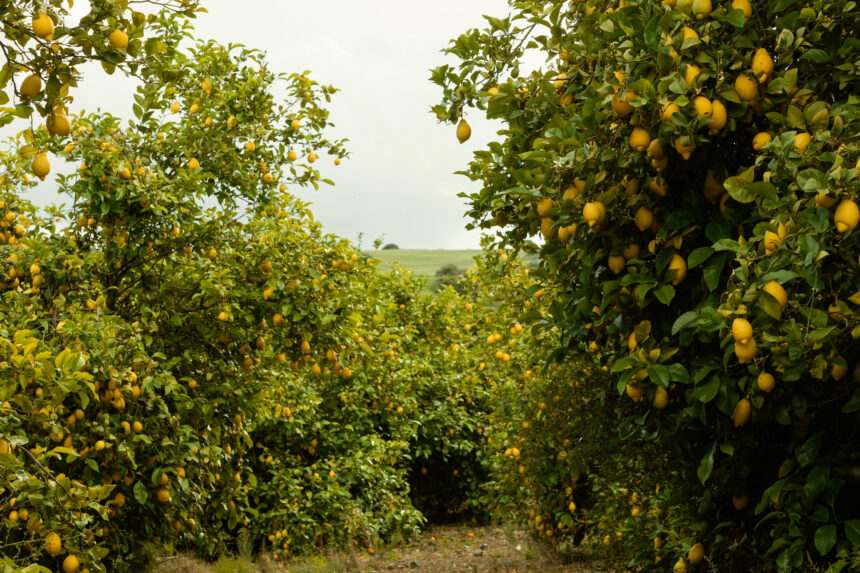
Citrus farmers face ongoing challenges from pests such as aphids, citrus leafminers, and fruit flies. Relying solely on chemical pesticides can increase production costs, reduce beneficial insect populations, and create resistance in pest populations. Integrated Pest Management (IPM) offers a sustainable approach to protect crops while minimizing chemical use.
Understanding Integrated Pest Management
IPM is a holistic approach that combines cultural, biological, and chemical strategies to manage pest populations at economically and environmentally acceptable levels. The goal is not to eliminate all pests but to keep them below thresholds that cause significant damage. This approach supports long-term sustainability and crop health.
Cultural Practices to Reduce Pest Pressure
Proper orchard management is a key component of IPM. This includes pruning to improve airflow, removing diseased or infested plant material, and maintaining optimal irrigation and fertilization. Crop rotation and intercropping can also reduce pest buildup. Clean harvesting practices prevent the spread of pests from one season to the next.
Biological Control Methods
IPM emphasizes the use of natural predators and parasitoids. For citrus, ladybird beetles, lacewings, and parasitic wasps target common pests like aphids and scale insects. Encouraging biodiversity within orchards supports these beneficial insects. Farmers can also use microbial biopesticides, such as Bacillus thuringiensis, which target specific pests without harming beneficial species.
Monitoring and Thresholds
Regular monitoring is essential for effective IPM. Farmers should inspect trees for early signs of pest activity and use traps for fruit flies or other specific pests. Establishing action thresholds helps determine when interventions are necessary. By acting only when pests exceed these thresholds, farmers reduce unnecessary pesticide applications.
Selective Chemical Use
When chemical control is required, IPM promotes selective and targeted applications. Using pesticides that are specific to the pest and applying them at the correct timing reduces harm to beneficial insects. Rotating chemical classes prevents resistance buildup. Record keeping of pesticide use ensures compliance with regulations and helps refine future strategies.
Benefits of IPM for Citrus Farmers
IPM reduces chemical costs, protects beneficial insect populations, and lowers environmental impact. It also improves fruit quality by reducing chemical residues. Over time, healthy orchard ecosystems reduce the severity of pest outbreaks, creating more resilient production systems.
For citrus farmers, adopting Integrated Pest Management is a practical way to reduce chemical dependency while maintaining healthy and productive orchards. By combining cultural practices, biological controls, careful monitoring, and selective chemical use, farmers can achieve sustainable pest management that benefits both the farm and the environment.
Join 'Farmers Mag' WhatsApp Channel
Get the latest Farming news and tips delivered straight to your WhatsApp
CLICK HERE TO JOIN