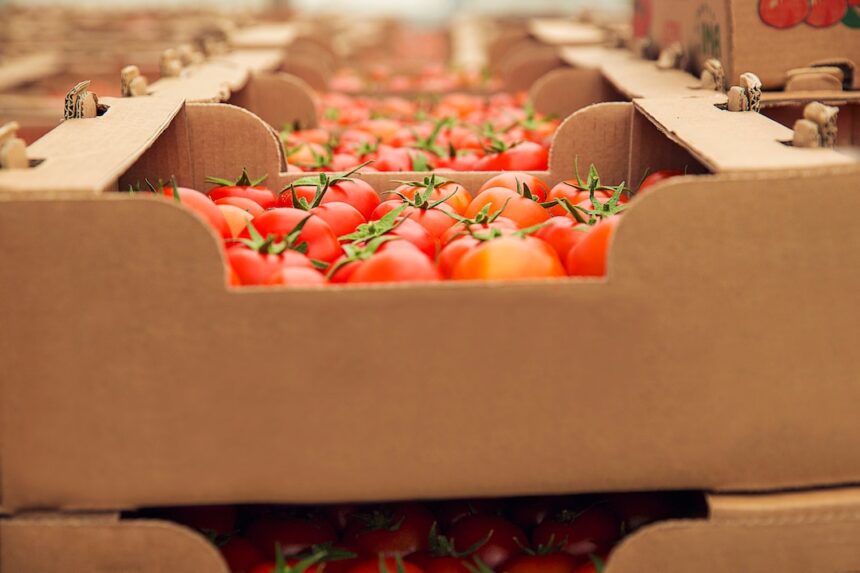
South African farmers can boost income by growing organic and specialty crops for export. Demand for quality produce is rising in Europe Middle East Asia and Africa. You can earn more by focusing on value quality and global standards.
Understand Global Demand
Global buyers pay more for certified organic products. Organic fruit vegetables herbs and grains fetch higher prices than conventional crops. Specialty crops such as heirloom tomatoes avocados berries and rooibos tea are often in demand. Identify which markets want what you produce. Use export market reports to guide choices.
Choose the Right Crops
Select crops with export demand and good growth potential locally. South Africa has a climate that supports many crops year round. Examples include organic avocados blueberries macadamia nuts rooibos herbs and specialty peppers. Evaluate soil water availability and your farming capacity. Do test plots before scaling up.
Get Organic Certification
Certification matters to buyers. You must meet international organic standards. In South Africa use reputable certifiers such as Ecocert or Control Union. Certification shows your produce meets strict rules on pesticides and fertilizers. It lets you charge premium prices. Certification takes time so plan ahead.
Adopt Best Farming Practices
Organic farming needs careful soil and pest management. Use cover crops compost crop rotation and beneficial insects to build soil and reduce pests. Keep clean records of inputs and field practices. Quality starts on the farm. Poor quality will reduce your export value.
Invest in Quality Handling and Packaging
Export buyers expect high quality handling. Sort and grade products carefully. Use packaging that protects freshness and meets import country rules. For organic products label clearly with certification body and batch details. Good packaging can lift your product reputation.
Build Supply Chain Partners
Work with reliable exporters packhouses cold storage and logistics providers. Organic products often need cold chain handling to stay fresh. Partner with agents who know export rules and documentation. A strong team reduces delays and spoilage.
Meet Export Regulations and Standards
Each market has rules on phytosanitary certificates residue limits and labeling. Learn requirements for your target countries. Use the International Trade Administration Commission and Department of Agriculture resources. Compliance avoids product rejection at the border.
Find Buyers and Markets
Attend trade fairs online buyer forums and agricultural expos. Use export promotion agencies to connect with buyers. Create a strong product story focused on quality origin sustainability and organic status. Many buyers choose suppliers with clear traceability and reliable delivery history.
Manage Risk and Costs
Export farming has costs shipping duties certification and compliance fees. Make a business plan with clear cost and revenue estimates. Use contracts with buyers to lock in prices and volumes. Consider insurance for crops and shipments.
Use Technology and Innovation
Adopt farm management software to track inputs yields and quality. Use sensors and drones to monitor crop health and water use. Data helps you increase yield and predict harvest times for best export windows.
Scale Gradually
Start with small export batches as you learn rules and demand. Improve quality feedback from early buyers. Then scale production and markets. Slow growth reduces risk and builds reputation.
South African farmers can earn more by turning organic and specialty crops into export products. Focus on crops with demand get certification follow quality practices meet export standards and build strong market links. With planning you can grow export income and build a sustainable business.
Join 'Farmers Mag' WhatsApp Channel
Get the latest Farming news and tips delivered straight to your WhatsApp
CLICK HERE TO JOIN