

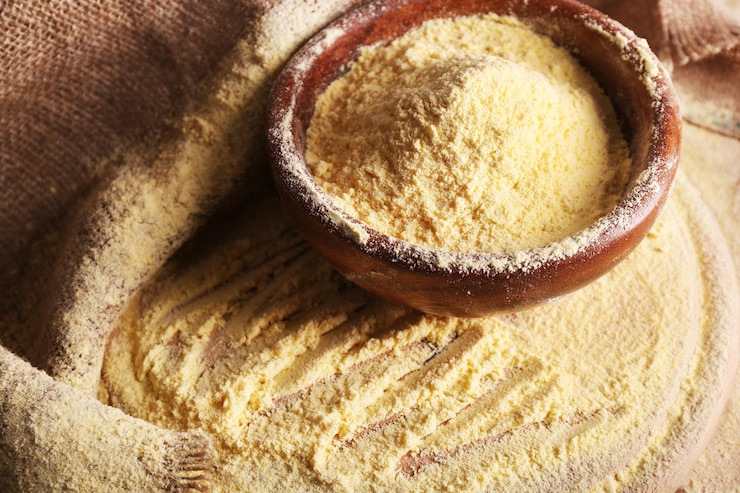
Lupin is a legume that is gaining attention in South Africa for its high protein and fiber content. It is gluten-free and low in carbohydrates, making it an ideal ingredient for health-conscious consumers. Farmers can increase their income by processing lupin into flour and other health foods.
Lupin Production in South Africa
Lupin grows well in the Western Cape and other temperate regions. It thrives in well-drained soils with moderate rainfall. The crop is resistant to many pests and diseases, reducing the need for chemical inputs. Lupin matures in 100 to 120 days, making it suitable for small and large-scale farming.
Turning Lupin into Flour
Lupin flour is versatile and can replace or supplement wheat flour in baking. It is high in protein, fiber, and essential minerals.
- Harvesting and drying: Harvest mature lupin seeds and dry them to reduce moisture content to below 12%.
- De-bittering: Some lupin varieties contain bitter alkaloids. Soak and rinse the seeds multiple times to remove bitterness.
- Grinding: Use a grain mill or industrial grinder to turn the seeds into fine flour.
- Packaging: Seal the flour in moisture-proof bags to maintain freshness.
Lupin flour can be sold directly to bakeries, health food stores, or packaged for retail.
Producing Health Foods from Lupin
Lupin can be used in various health products that appeal to diabetic and gluten-intolerant consumers.
- Protein bars: Mix lupin flour with nuts, dried fruits, and natural sweeteners. Press into bars and package for retail.
- Gluten-free bread and pastries: Replace wheat flour partially or fully with lupin flour to create low-carb, high-protein baked goods.
- Lupin-based pasta: Combine lupin flour with water and eggs or alternative binding agents to produce pasta suitable for gluten-free diets.
- Snacks and cereals: Roast lupin seeds and grind them into flakes or powder for breakfast cereals or snack mixes.
Marketing and Distribution
Health-conscious consumers are the main target market. Products can be sold at farmers’ markets, specialty health stores, and online. Labeling should highlight benefits like “high protein,” “gluten-free,” and “low carbohydrate” to attract attention.
Benefits for Farmers
Processing lupin into flour and health foods:
- Adds significant value compared to raw seeds.
- Expands market opportunities locally and internationally.
- Reduces post-harvest losses.
- Aligns with growing consumer demand for plant-based, gluten-free products.
South African farmers can transform lupin from a standard legume into high-value flour and health foods. With proper processing, packaging, and marketing, lupin offers a profitable and sustainable opportunity that meets the needs of health-conscious consumers.
Join 'Farmers Mag' WhatsApp Channel
Get the latest Farming news and tips delivered straight to your WhatsApp
CLICK HERE TO JOIN




