

South African grape farmers can increase income by turning grapes into value-added snack products. Fresh grapes, dried fruits, and processed snacks are in high demand locally and internationally. With careful planning, farmers can expand their revenue streams beyond traditional table grape sales.
The first step is selecting the right grape varieties. Seedless grapes like Thompson and Crimson are popular for fresh consumption and drying. Varieties with thick skins and high sugar content work well for raisins, fruit leathers, and candy-coated products. Choosing the right variety ensures quality and taste, which are critical for consumer appeal.
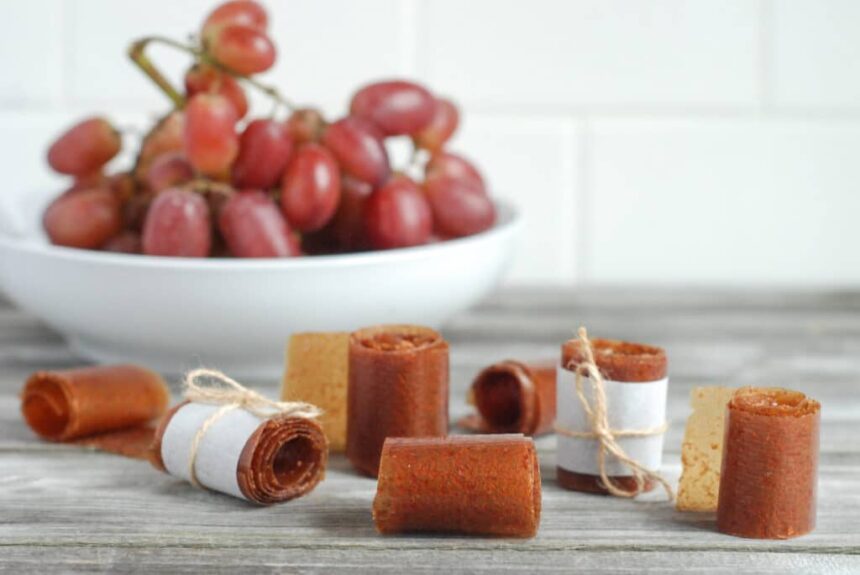
Processing grapes into snacks requires minimal equipment but careful hygiene. For dried grapes or raisins, grapes should be washed, sorted, and dried using solar or dehydrator methods. Controlled drying preserves color, sweetness, and nutrients. Fruit leathers can be made by blending grapes, sometimes with other fruits, and drying the puree into thin sheets. These can be cut into bars or rolls for sale.
Packaging and presentation are crucial for profit. Snacks should be packaged in resealable pouches or small boxes to maintain freshness. Labels should include origin, variety, and production details. For organic or locally sourced grapes, highlighting these features can attract premium buyers. Attractive packaging helps snacks stand out in retail stores, markets, and online platforms.
Farmers should explore local markets, health stores, schools, and tourism outlets. Bulk orders can be supplied to hotels, cafes, and supermarkets. Online marketing can reach wider audiences, especially with health-conscious consumers seeking natural snacks. Offering samples at farmers’ markets or community events builds brand awareness and trust.
Quality control is key. Maintaining consistent sweetness, texture, and appearance ensures repeat buyers. Keep detailed records of production, drying times, and storage conditions. This reduces spoilage and maintains profitability.
Collaboration with cooperatives or processing hubs can help small-scale farmers scale production. Shared equipment and knowledge reduce costs and improve efficiency. Joining local agri-business networks also provides access to training, export opportunities, and funding.
Profitability depends on minimizing losses and maximizing product value. Turning surplus grapes into snacks prevents waste and adds revenue. With careful variety selection, proper processing, attractive packaging, and strong market connections, South African farmers can successfully transform grapes into profitable snack products.
This approach not only increases income but strengthens the local grape industry, supports rural economies, and meets the growing demand for convenient, healthy snacks.
Join 'Farmers Mag' WhatsApp Channel
Get the latest Farming news and tips delivered straight to your WhatsApp
CLICK HERE TO JOIN




