

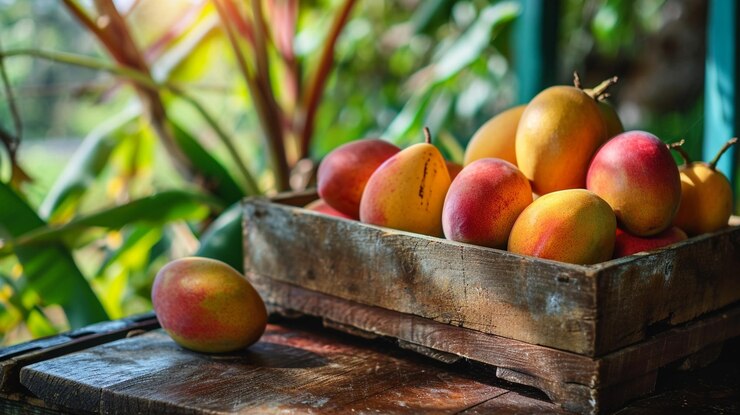
South Africa’s fruit sector offers significant opportunities for value addition, and turning fresh fruit into purees for export is one of the most promising avenues. By processing fruit into purees, farmers can extend shelf life, reduce post-harvest losses, and access high-value international markets.
Choosing the Right Fruit
Not all fruit varieties are equally suited for puree production. Soft fruits such as mangoes, peaches, apricots, berries, and passion fruit are ideal due to their natural sweetness, texture, and high juice content. Citrus fruits, apples, and pears can also be used, often blended with other fruits to create unique flavours. Selecting cultivars with consistent quality, high sugar content, and minimal fibre ensures a smooth, premium puree suitable for processing and export.
Processing and Quality Control
The process begins with harvesting ripe fruit and sorting it to remove damaged or unripe pieces. Fruit is then washed, peeled if necessary, and pureed using industrial blenders or pulping machines. For export, it is essential to pasteurise the puree to kill bacteria while preserving flavour, colour, and nutrients.
Packaging in aseptic, vacuum-sealed pouches or sterilised containers extends shelf life and reduces the risk of contamination. Quality control is critical, with producers needing to monitor parameters such as pH, sugar content, viscosity, and microbial safety to meet international food standards.
Adding Value Through Innovation
Farmers can create niche products by blending different fruits, adding natural flavours, or fortifying purees with vitamins. Organic certification or fair-trade labelling can enhance export potential and command premium prices. Value-added products such as smoothie bases, baby food, and fruit concentrates appeal to specific global markets, including Europe, the Middle East, and Asia.
Export Considerations
Accessing export markets requires compliance with international regulations, including phytosanitary certification, HACCP standards, and labelling requirements. Working with export agents or cooperatives can help farmers navigate customs, logistics, and quality assurance protocols. Cold-chain transport is essential to maintain product integrity, particularly for high-moisture purees.
Economic and Environmental Benefits
Producing fruit purees allows farmers to stabilise income by reducing dependence on fresh fruit prices, which can fluctuate seasonally. It also minimises waste, as fruit unsuitable for fresh sale can be processed. Sustainable practices such as solar-powered processing, water recycling, and organic fertilisers can further enhance environmental credentials and market appeal.
Challenges and Solutions
Key challenges include the initial investment in processing equipment, maintaining consistent fruit supply, and meeting strict export standards. Small-scale farmers can mitigate costs by forming cooperatives or partnering with processing facilities. Training in post-harvest handling and food safety ensures products meet export-quality benchmarks.
Turning fruit into purees offers South African farmers a pathway to higher-value markets and increased profitability. With careful variety selection, strict quality control, innovative product development, and adherence to export standards, farmers can transform surplus fruit into competitive export products. By embracing value addition, producers strengthen the domestic fruit sector, reduce waste, and expand South Africa’s presence in global fruit markets.
Join 'Farmers Mag' WhatsApp Channel
Get the latest Farming news and tips delivered straight to your WhatsApp
CLICK HERE TO JOIN




