

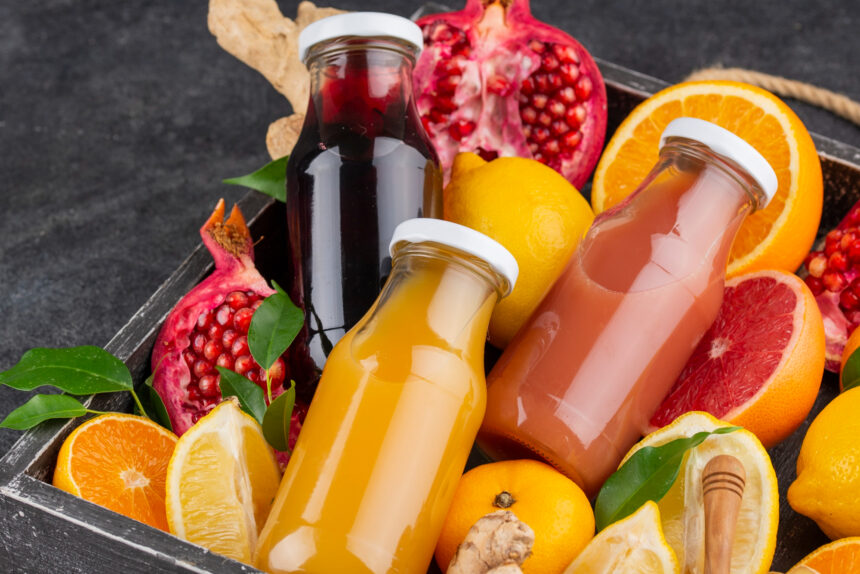
South African farmers are looking beyond selling raw produce. Specialty beverages offer a direct way to add value on the farm. Demand is rising for natural, locally produced drinks with clear origin stories. Many farms already grow suitable crops. With proper processing and compliance, beverages can create reliable additional income.
Understanding the specialty beverage market
Specialty beverages focus on quality, uniqueness, and traceability. Consumers pay more for products that are natural and locally made. Popular categories include fruit juices, fermented drinks, herbal teas, dairy based beverages, and craft alcoholic drinks. Urban consumers, farm stalls, and online platforms drive demand. Understanding your target market helps shape product style and pricing.
Selecting suitable farm crops
Many South African crops work well for beverage production. Citrus fruits suit fresh juices and concentrates. Pineapples, mangoes, and berries work for juices, ciders, and fermented drinks. Sorghum and maize support traditional and craft beers. Rooibos, honeybush, and moringa suit teas and functional beverages. Using crops already produced on the farm reduces costs.
On farm processing options
Small scale processing is accessible to most farmers. Cold press systems preserve flavour and nutrients in juices. Fermentation tanks allow production of kombucha, kefir, cider, and traditional drinks. Drying and milling systems support tea and powdered beverages. Farmers should start small and scale once demand is consistent.
Food safety and legal compliance
Food safety is essential for all beverage producers. Clean water, hygienic processing areas, and proper storage are mandatory. Products sold to the public must be registered with local authorities. Alcoholic beverages require licensing and excise compliance. Early engagement with environmental health officials prevents delays and penalties.
Product development and differentiation
Successful beverages must stand out in the market. Focus on consistent flavour and quality. Use single origin ingredients and avoid unnecessary additives. Health claims should be factual and supported. Testing products with local customers helps refine taste and packaging. Strong differentiation improves repeat sales.
Packaging and shelf life considerations
Packaging influences cost, shelf life, and market perception. Glass bottles suggest premium quality but increase transport costs. Plastic bottles reduce costs but may limit positioning. Pasteurisation extends shelf life but may alter flavour. Fermented and dried beverages often last longer naturally. Packaging should suit your target customer.
Marketing and sales strategies
Direct sales offer the highest margins. Farm stalls, farmers markets, and tasting rooms work well. Restaurants and cafes value unique local beverages. Online sales expand reach but require reliable delivery. Clear branding and simple labels build trust. Sharing the farm story strengthens customer loyalty.
Managing costs and scaling production
Cost control determines profitability. Track raw materials, labour, packaging, energy, and compliance costs. Specialty beverages deliver higher margins than raw produce but lower volumes. Begin with one or two products to reduce risk. Reinvest early profits into quality and market expansion.
Specialty beverages strengthen farm resilience. They reduce reliance on commodity prices. They create jobs and support agri tourism. They open access to niche export markets. With careful planning, farmers can transform crops into strong beverage brands. Value addition through beverages is a practical growth path for South African agriculture.
Join 'Farmers Mag' WhatsApp Channel
Get the latest Farming news and tips delivered straight to your WhatsApp
CLICK HERE TO JOIN




