

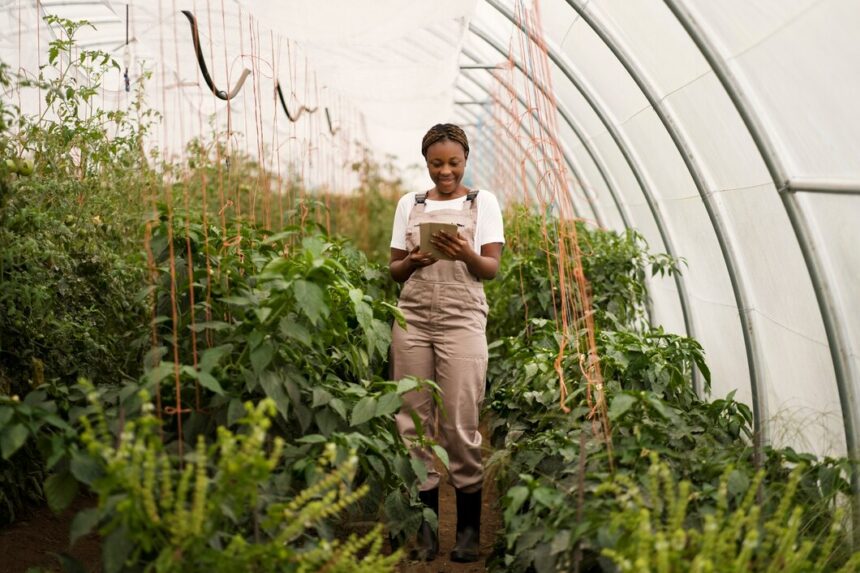
South African farmers are increasingly exploring ways to increase profitability and access premium markets. Organic certification and strategic branding offer effective pathways to add value to agricultural products, differentiate from competitors, and meet growing consumer demand for sustainable, chemical-free food.
Understanding Organic Certification
Organic certification is a formal process that verifies a farm’s adherence to strict production standards. In South Africa, certification is provided by accredited bodies such as Ecocert, Control Union, and the South African Organic Sector Organisation (SAOSO). Certified organic farms avoid synthetic fertilizers, pesticides, and genetically modified organisms, while using sustainable soil, water, and crop management practices.
Achieving certification requires careful planning. Farmers must maintain detailed records of all inputs, implement crop rotation or integrated pest management systems, and ensure buffer zones between organic and conventional crops. A successful certification process typically involves a multi-year transition period, during which crops are managed organically but cannot yet be sold as certified organic.
The Benefits of Certification
Organic certification provides access to high-value markets, both locally and internationally. Consumers are willing to pay premium prices for certified organic products, particularly fresh produce, nuts, grains, and processed goods. Export markets, including the EU, US, and Middle East, demand organic certification, making it essential for global competitiveness.
Certification also builds consumer trust, signaling commitment to sustainable and ethical production practices. This credibility can strengthen relationships with buyers, retailers, and distributors.
Branding for Market Differentiation
Certification alone is not enough to maximise value. Strategic branding helps farmers position their products, convey quality, and attract premium buyers. A strong brand communicates farm story, origin, sustainability practices, and product benefits. Packaging design, labels, and marketing materials should highlight the organic status, provenance, and unique qualities of the product.
Farmers can also use regional branding to leverage the reputation of South African subtropical or high-altitude growing regions. This creates a narrative that appeals to both domestic and international consumers seeking authenticity, traceability, and high-quality produce.
Value-Added Products and Marketing
Organic certification opens opportunities for value-added products, such as organic jams, juices, oils, dried fruits, and snacks. Processing raw produce into packaged, ready-to-use products extends shelf life, increases market appeal, and captures more of the value chain. Combining certification with appealing branding ensures these products stand out in competitive markets.
Farmers can also engage directly with consumers through farmers’ markets, online sales platforms, and export-focused trade shows. Storytelling about farm practices, sustainability, and the people behind the products strengthens brand loyalty and justifies premium pricing.
Challenges and Considerations
The main challenges include the cost and time required for certification, maintaining strict organic practices, and meeting regulatory and export requirements. Small-scale farmers may struggle with initial investment, but forming cooperatives or partnerships with processors and exporters can reduce costs and improve market access.
Continuous quality control, record-keeping, and compliance monitoring are essential. Farmers must also remain informed about changing organic standards, market trends, and consumer expectations to maintain credibility and competitiveness.
Organic certification and strategic branding provide South African farmers with tangible ways to add value, access premium markets, and enhance profitability. By combining rigorous production standards with strong branding and value-added processing, farmers can differentiate their products, meet growing consumer demand for sustainable food, and strengthen both domestic and export market presence. Embracing organic practices is not only a business opportunity but also a contribution to environmental stewardship, food safety, and long-term sustainability in South African agriculture.
Join 'Farmers Mag' WhatsApp Channel
Get the latest Farming news and tips delivered straight to your WhatsApp
CLICK HERE TO JOIN




