

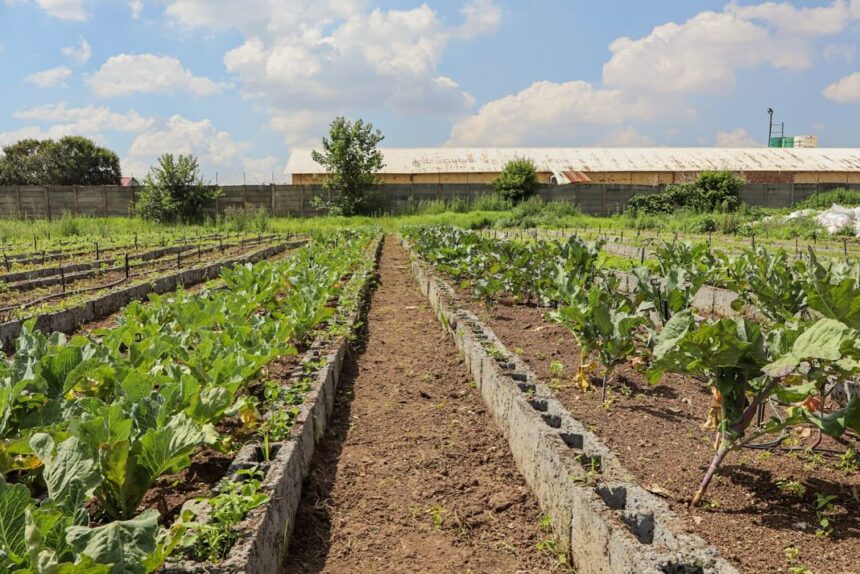
Urban agriculture is becoming increasingly important in South African townships, where access to fresh and affordable food can be limited. Growing your own vegetables, fruits, and herbs allows households to improve nutrition, save money, and build resilient communities. Even in small spaces, township residents can achieve high yields with smart planning, appropriate crops, and efficient techniques.
The first step in maximising yield in a small space is choosing the right crops. Fast-growing, high-yield vegetables such as spinach, lettuce, kale, tomatoes, peppers, and beans perform well in urban gardens. Herbs like basil, coriander, and parsley are also ideal for limited areas. Planting varieties suited to container or vertical gardening ensures productive use of every square metre. Companion planting can further increase output while reducing pests naturally.
Space-saving techniques are critical for township gardens. Vertical gardening, using trellises, wall-mounted planters, or hanging baskets, allows plants to grow upwards rather than outwards. Container gardening in pots, buckets, or recycled containers is another option for households with limited ground space. Raised beds can improve soil drainage, reduce compaction, and allow closer planting, which increases overall production. Intercropping, or planting complementary crops together, also maximises space and harvests multiple crops at once.
Soil quality and watering practices are essential for urban farming success. Using nutrient-rich compost, organic fertilisers, or vermiculture enhances soil fertility in small plots. Drip irrigation or watering cans reduce water wastage and ensure consistent moisture for plants. Mulching with leaves or straw helps retain soil moisture and suppresses weeds, improving overall yields. Residents can also recycle organic household waste into compost to feed their gardens sustainably.
Community gardens can further boost productivity in townships. By pooling space, resources, and labour, residents can grow more food and share knowledge. Cooperative initiatives often allow access to water, tools, and training that individual households may lack. Schools and local organisations can also support urban agriculture through education programs and mentoring.
Growing food in townships requires careful planning, efficient use of space, and sustainable practices. With the right crops, vertical and container techniques, and proper soil and water management, even small plots can produce significant yields. Urban agriculture empowers communities, improves food security, and promotes healthier living in township environments.
Join 'Farmers Mag' WhatsApp Channel
Get the latest Farming news and tips delivered straight to your WhatsApp
CLICK HERE TO JOIN




