

Grass-fed and feedlot beef are two major types of beef sold around the world. Each has its own production methods, costs, and buyer base. Consumers now choose based on health, environment, animal welfare, price, and taste. Businesses and farmers must understand these trends to compete and grow.
Grass-fed beef comes from cattle that eat mostly grass throughout their lives. Feedlot beef comes from cattle finished on grain and other feed in confined facilities before slaughter. These systems produce different costs, nutritional profiles, and market opportunities.
Demand for grass-fed beef has risen in many regions. Buyers often view it as healthier because it can contain higher levels of omega-3 fatty acids and certain antioxidants compared to grain-fed beef. People who follow paleo, clean eating, or organic diets tend to prefer grass-fed beef. Many consumers also link grass-fed beef to better animal welfare and lower environmental impact on pasture land. These perceptions drive higher retail prices and niche market growth.
Retailers, specialty butcheries, and online meat vendors now promote grass-fed beef as a premium product. Some restaurants highlight grass-fed beef dishes to appeal to health-focused or ethically minded diners. Marketing often emphasizes pasture nutrition, minimal processing, and sustainable farming. This trend is especially strong in wealthier urban markets where buyers can pay premiums for perceived quality.
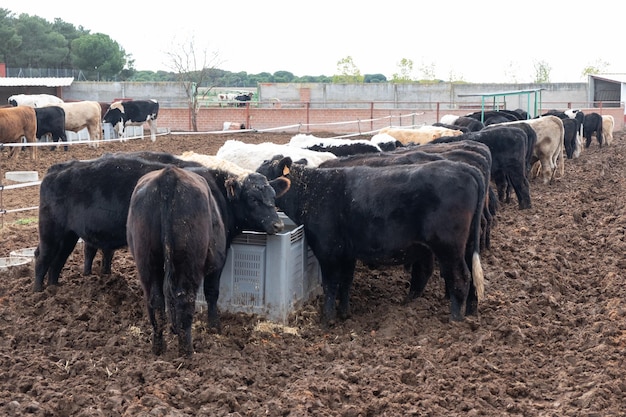
Feedlot beef remains the largest segment of the global beef supply. Feedlots use concentrated animal feeding operations to raise cattle to market weight efficiently. The grain-based diet accelerates growth and cuts time to slaughter. This lowers production cost per kilogram compared to grass-fed systems. Feedlot beef generally sells at lower prices at retail, making it accessible to more consumers.
Large grocery chains and food service providers source most of their beef from feedlot systems. Consistency in flavor and supply volume also supports long supply contracts. In countries with limited pasture land or seasonal grazing challenges, feedlot beef provides stable production year-round. This reliability meets demand from cost-sensitive buyers and high-volume outlets.
Market data shows clear segmentation. Grass-fed beef holds a smaller share of total beef sales but grows faster than the broader beef category in specific markets. Growth rates vary by region, but in the U.S., Canada, parts of Europe, and Australia grass-fed beef sales have expanded as health and sustainability trends advance. Feedlot beef continues to dominate total volume because it meets core demand for affordable protein.
Consumer surveys reveal why this shift occurs. Many grass-fed buyers say they are willing to pay more for benefits like no added hormones, pasture-raised animals, and traceability from farm to plate. Some buyers do not prioritize these attributes and choose based on price and taste familiarity, which favors feedlot beef.
Retail pricing reflects these patterns. Grass-fed cuts typically cost more per kilogram than feedlot beef. This price gap limits adoption among budget-conscious buyers. However, as grass-fed supply chains improve and farms adopt more efficient grazing systems, price differences may narrow over time.
Environmental concerns influence demand too. Grass-fed proponents argue that pasture grazing can sequester carbon and improve soil health. Critics point out that grass-fed systems can require more land and produce more methane emissions per kilogram of beef. Conflicting research means buyers may follow marketing claims rather than hard science.
For producers, understanding these market forces is key. Grass-fed beef requires different management, longer growth periods, and access to branded marketing channels. Feedlot operations demand investment in infrastructure and grain supply contracts but benefit from predictable growth rates. Farms may choose one system or combine practices to target multiple market segments.
Grass-fed and feedlot beef serve different consumer needs. Grass-fed beef attracts buyers seeking health, welfare, and sustainability benefits. Feedlot beef meets broad demand for affordable, consistent beef. Market trends show growth in grass-fed demand, but feedlot beef remains the largest segment by volume. Your choice of production system should match your market, cost structure, and business goals.
Join 'Farmers Mag' WhatsApp Channel
Get the latest Farming news and tips delivered straight to your WhatsApp
CLICK HERE TO JOIN




