

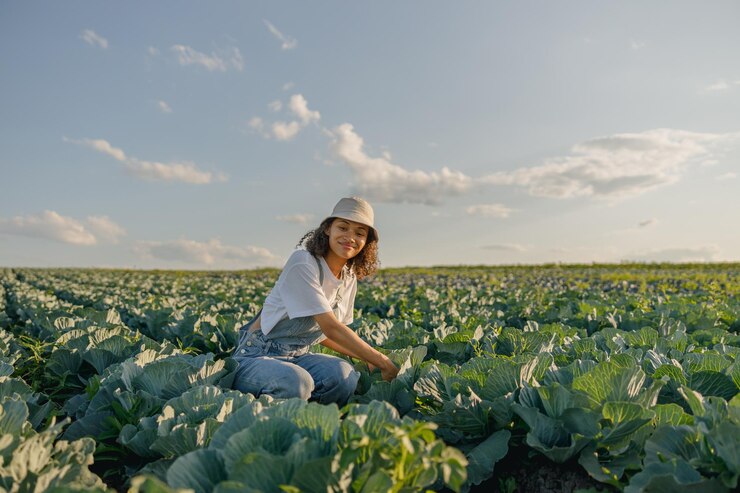
New farmers in South Africa face many start‑up costs, from land preparation and equipment to seed and livestock purchase. Fortunately, government grants and funding programmes exist to help emerging growers establish viable farming enterprises. In 2025, several key funding streams through the Department of Agriculture, Forestry and Fisheries (DAFF) and related initiatives offer support for new farmers across sectors. Understanding these funding options can help you access financial resources, reduce risk, and grow your agricultural business.
The Comprehensive Agricultural Support Programme (CASP) remains one of the primary funding sources for new and emerging farmers. CASP provides financial and technical assistance for on‑farm infrastructure, equipment, production inputs, and training. Emerging farmers can apply for cost‑shared grants that cover a portion of project costs, helping to build capacity and improve productivity. CASP funds can be used for fencing, water infrastructure, irrigation, implements, and basic mechanisation. Because CASP is demand‑driven, farmers must prepare detailed business plans and project proposals that demonstrate economic potential.
The Micro Agricultural Financial Institution of South Africa (MAFISA) loan programme offers low‑interest finance for emerging farmers who need capital but may not qualify for commercial credit. MAFISA loans can be used for production inputs, livestock, equipment, and operational costs. Unlike direct grants, MAFISA provides repayable funding with flexible terms designed to ease the burden on new farmers. The programme also includes mentoring and support services to improve repayment success and farm performance.
The Ilima/Letsema programme is another government initiative aimed at strengthening food production and supporting emerging farmers. While more focused on ensuring food security and market participation, Ilima/Letsema provides resources that can include input support, extension services, and linkages to off‑takes. Emerging farmers can benefit from the programme’s emphasis on sustainable production and market access.
In addition to national government funding, provincial departments of agriculture often offer tailored grant schemes for new farmers. These can include support for land rehabilitation, greenhouse infrastructure, poultry and livestock starter packs, and enterprise development. Provincial funding criteria vary, so you should contact your local agricultural office for details on available programmes and application deadlines.
Partnerships with industry entities and commodity groups may also provide funding or cost‑sharing opportunities. Organisations such as Agri SA, sector forums, and private value‑chain partners sometimes collaborate with government to channel funding into mentorship, skills training, and enterprise development. These partnerships can improve your access to technical expertise and markets alongside financial support.
To apply for government grants and funding, you generally need a comprehensive business plan, proof of identity, banking details, project budget, and sometimes evidence of land or lease rights. Demonstrating technical capacity, market understanding, and sustainability improves the chance of approval. Many programmes also require participation in training or mentorship as part of funding agreements.
Accessing government grants and funding in South Africa in 2025 can ease the financial barriers to entry for new farmers and strengthen agricultural participation. By exploring DAFF programmes such as CASP, MAFISA, and Ilima/Letsema, as well as provincial and industry partnerships, you can find financial and technical support that aligns with your production goals. These resources help you build a productive, resilient farming enterprise while contributing to national food security and rural development.
Join 'Farmers Mag' WhatsApp Channel
Get the latest Farming news and tips delivered straight to your WhatsApp
CLICK HERE TO JOIN




