

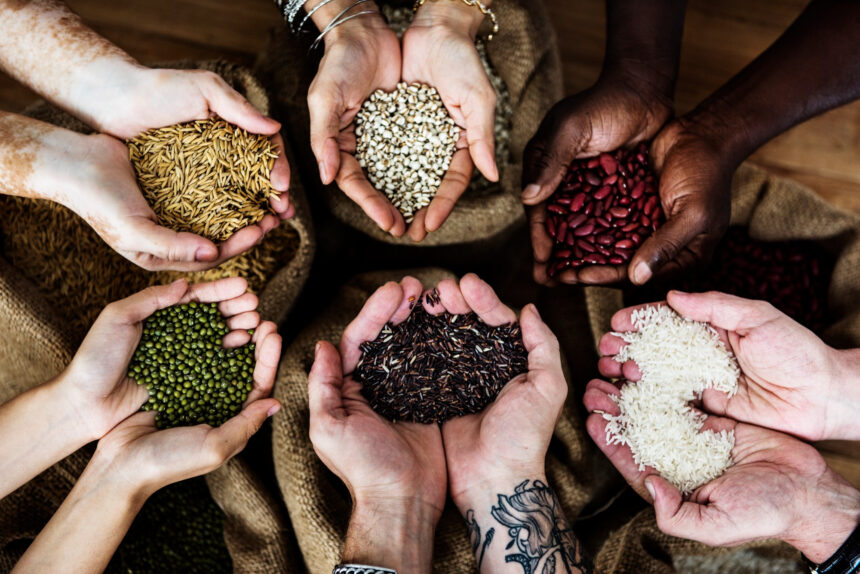
Food sovereignty is a growing focus in South Africa as communities seek control over how food is produced, distributed, and consumed. Unlike food security, which emphasizes availability, food sovereignty emphasizes the rights of people to decide their own agricultural practices, prioritize local food systems, and maintain cultural and ecological integrity. Central to this concept are local seed systems, which ensure farmers have access to diverse, resilient, and locally adapted seeds. These systems strengthen community control over agriculture, preserve biodiversity, and reduce dependence on commercial seed companies.
Local seed systems in South Africa are vital for smallholder farmers, especially in rural and peri-urban areas. Traditional and community-managed seeds are often more resilient to local climate challenges, pests, and diseases than hybrid or imported varieties. Farmers exchange seeds through community networks, cooperatives, and seed fairs, promoting diversity and knowledge sharing. These practices maintain the genetic pool of crops, ensuring food production remains resilient in the face of droughts, floods, and other environmental stresses.
Food sovereignty also emphasizes the importance of supporting small-scale farmers over large agribusinesses. By prioritizing local seed systems, farmers can reduce reliance on costly commercial seeds that may be genetically uniform or restricted by patents. Local seeds allow for sustainable, ecologically sound farming practices that are aligned with community needs. Furthermore, maintaining control over seed selection and saving enables farmers to adapt crops to local tastes, nutrition requirements, and cultural practices.
Government policy and civil society play a key role in promoting food sovereignty and seed diversity. Supportive measures include legal recognition of farmers’ rights to save, exchange, and sell seeds, as well as investment in research and training on local varieties. Organizations and NGOs facilitate seed banks, participatory breeding programs, and workshops that educate farmers about seed preservation techniques and organic farming practices. These interventions strengthen local food systems, enhance community resilience, and ensure long-term access to quality seeds.
Investing in local seed systems has broader social and economic benefits. It promotes rural livelihoods, reduces dependency on imported inputs, and strengthens food security at a household level. Communities that control their seeds are better equipped to respond to environmental changes and market fluctuations. Seed diversity also supports ecological balance, improves soil health, and fosters sustainable agricultural practices that align with South Africa’s climate and landscape.
Food sovereignty and local seed systems are closely linked pillars for sustainable agriculture in South Africa. Empowering farmers to access, save, and exchange seeds ensures resilience, biodiversity, and community control over food production. Strengthening these systems supports small-scale farmers, enhances rural economies, and promotes ecological and social sustainability. By investing in local seeds, South Africa can build a food system that is equitable, resilient, and capable of meeting the needs of its people.
Join 'Farmers Mag' WhatsApp Channel
Get the latest Farming news and tips delivered straight to your WhatsApp
CLICK HERE TO JOIN




