

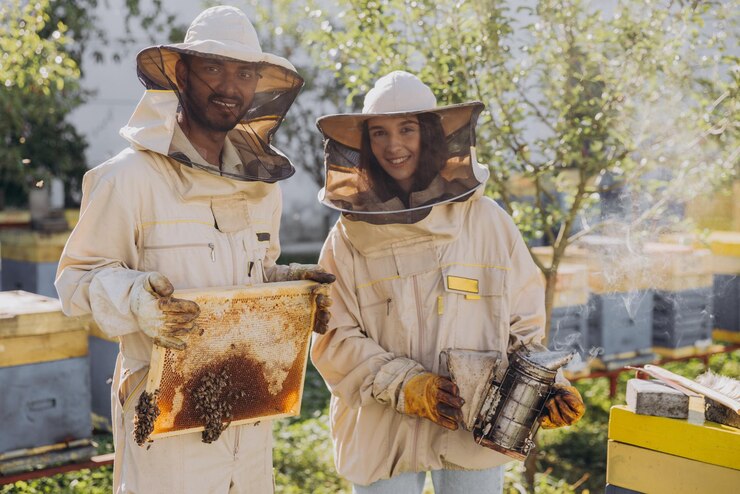
Ensuring safety and security on farms is essential for protecting people, livestock, crops, and equipment. Farm-related accidents, theft, and vandalism can cause significant financial losses and disrupt production. Implementing practical, community-based strategies can reduce risks and create safer, more resilient farming operations.
Farm Safety Measures
Safety begins with proper planning and daily practices. Key measures include:
- Conducting regular risk assessments to identify hazards on the farm, such as machinery, chemicals, or uneven terrain.
- Training all farm workers in safe handling of equipment, chemicals, and livestock.
- Installing clear signage in high-risk areas, including chemical storage, irrigation channels, and farm machinery zones.
- Maintaining first-aid kits and emergency procedures for accidents, fire, or flooding.
- Encouraging a culture of safety where workers report hazards and near-misses promptly.
Farm Security Strategies
Protecting farms against theft, vandalism, and wildlife incursions requires both physical and community-based measures:
- Fencing and gates to secure property and control access.
- Proper lighting around storage areas, barns, and animal pens.
- Alarm systems, CCTV cameras, and motion sensors for high-value equipment or livestock.
- Livestock branding, tagging, and tracking to prevent theft and ensure traceability.
- Secure storage for tools, fuel, and machinery.
Community-Based Approaches
Engaging the local community enhances security and safety across farming areas. Strategies include:
- Participating in local farm watch programs to share information about suspicious activity.
- Collaborating with neighbours to monitor livestock, fences, and water sources.
- Reporting crime and hazards promptly to local authorities.
- Organizing safety workshops and training sessions for farmers, workers, and community members.
Practical Tips for Everyday Safety
- Keep paths and work areas clear to prevent trips and falls.
- Ensure machinery is serviced regularly and only operated by trained staff.
- Use personal protective equipment (PPE) such as gloves, boots, and helmets when handling animals or chemicals.
- Monitor weather conditions and prepare for extreme events like floods or storms.
By combining proper safety practices, physical security measures, and community engagement, farmers can protect their assets, workers, and livestock. These strategies not only reduce losses but also promote a culture of vigilance and resilience, benefiting the entire farming community. Focusing on practical, actionable steps ensures that farms remain productive, safe, and secure even in challenging conditions.
Join 'Farmers Mag' WhatsApp Channel
Get the latest Farming news and tips delivered straight to your WhatsApp
CLICK HERE TO JOIN




