

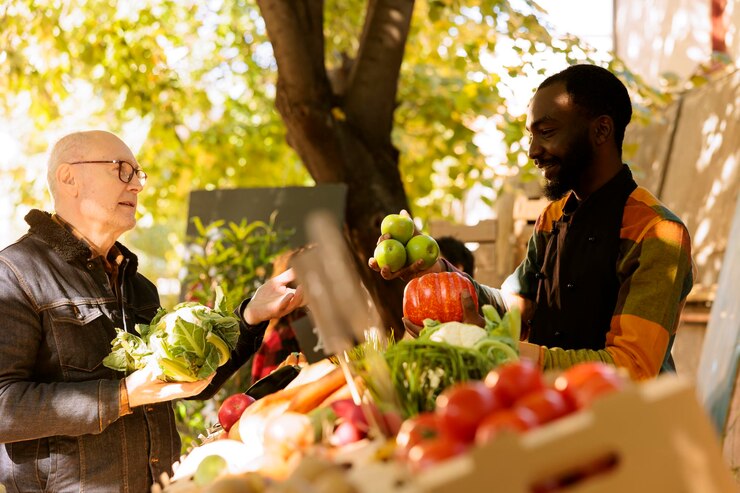
Direct-to-consumer sales offer farmers in South Africa an opportunity to increase profits, build brand recognition, and connect with local communities. By selling produce, value-added products, or artisanal goods directly, farmers can capture the full retail price instead of relying on intermediaries. Setting up a farm stall or online store requires careful planning, marketing, and compliance with food safety standards.
For a farm stall, location is key. High-traffic areas near towns, schools, or highways attract more customers. The stall should be clean, well-organised, and visually appealing. Display fresh produce prominently, group similar items, and clearly mark prices. Offering value-added products such as jams, preserves, dried herbs, or baked goods can increase sales and create a unique selling point.
Online stores provide flexibility and a broader customer base. Platforms like social media, e-commerce websites, or specialised farm-to-table apps allow farmers to reach urban consumers seeking fresh, local products. High-quality photos, detailed product descriptions, and clear pricing build trust and encourage repeat purchases. Easy ordering systems and reliable delivery options are essential for customer satisfaction.
Marketing and customer engagement are crucial for success. Sharing stories about the farm, production methods, and sustainability practices helps build a loyal following. Seasonal promotions, loyalty programs, and sampling events at the farm or local markets can attract new customers. Collecting customer feedback improves products and services while fostering long-term relationships.
Compliance with food safety and local regulations is non-negotiable. Farmers must ensure that produce is clean, stored correctly, and handled safely. Value-added products should meet labelling, packaging, and hygiene requirements. Understanding local permits and business registration processes prevents legal issues and enhances credibility.
Financial planning and record-keeping help sustain direct-to-consumer operations. Track costs, sales, and customer preferences to adjust pricing, inventory, and marketing strategies. Small initial investments can expand over time as demand grows, allowing farmers to scale operations without compromising quality.
Direct-to-consumer sales can transform farm profitability and community engagement. By combining attractive farm stalls, efficient online stores, effective marketing, and strict adherence to safety standards, farmers can reach new markets, increase income, and strengthen the connection between consumers and locally grown products.
Join 'Farmers Mag' WhatsApp Channel
Get the latest Farming news and tips delivered straight to your WhatsApp
CLICK HERE TO JOIN




