

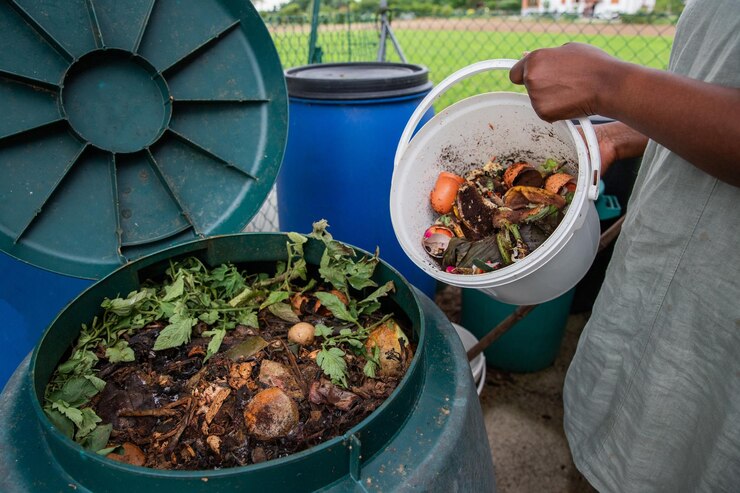
Composting is a practical way to turn organic waste into nutrient-rich soil for gardens, farms, and landscaping. It reduces household and farm waste, improves soil fertility, and supports sustainable agriculture. Whether you are a beginner or an experienced gardener, composting can be adapted to any space using methods from simple pits to advanced tumblers. Understanding how each system works makes it easier to choose the right approach for your needs.
Traditional compost pits are the simplest method. Dig a shallow pit or trench and layer organic waste such as kitchen scraps, garden clippings, and dry leaves. Cover each layer with soil to reduce odors and discourage pests. Microorganisms in the soil break down the organic matter over several months, producing rich compost. Pits are low-cost, require minimal maintenance, and are suitable for farms and larger gardens with available space.
Windrow composting is another common method, especially for farms and community gardens. Organic waste is piled in long rows, called windrows, which are regularly turned to maintain aeration and speed up decomposition. This method allows large volumes of material to be processed efficiently. Turning the windrows ensures even decomposition and reduces the risk of foul smells.
For smaller gardens or urban spaces, compost bins offer a compact and manageable solution. Bins contain waste, making it easier to control moisture and temperature. They also help prevent pests and are ideal for household kitchen scraps, garden trimmings, and small-scale vegetable production. Regularly turning or mixing the compost inside the bin accelerates decomposition and produces uniform compost in a few months.
Compost tumblers are a more advanced and convenient option. Tumblers are enclosed containers mounted on a frame, allowing them to be rotated easily. This rotation mixes the contents, aerates the material, and speeds up the composting process. Tumblers are ideal for households with limited space, as they are contained, odor-free, and can produce usable compost in as little as six to eight weeks. They are also easier to manage in wet or rainy climates, as the enclosed design protects the compost from excess moisture.
Regardless of the method, successful composting requires a balance of green and brown materials. Green materials, such as fruit and vegetable scraps, fresh grass, and coffee grounds, provide nitrogen. Brown materials, including dry leaves, straw, and paper, supply carbon. Maintaining moisture similar to a damp sponge and turning the compost regularly ensures optimal conditions for microorganisms to break down the waste efficiently.
Composting not only reduces waste but also produces a valuable soil amendment. Rich in nutrients and organic matter, compost improves soil structure, water retention, and fertility. It can be used in gardens, vegetable beds, potted plants, and landscaping projects. Regular use of compost also supports healthy plant growth and reduces the need for chemical fertilizers.
Composting is accessible to anyone, from small urban households to large-scale farms. By choosing the right method—pits, windrows, bins, or tumblers—farmers and gardeners can manage organic waste efficiently and produce high-quality compost. With simple steps and consistent care, composting turns everyday waste into a sustainable resource that nourishes the soil and supports long-term agricultural productivity.
Join 'Farmers Mag' WhatsApp Channel
Get the latest Farming news and tips delivered straight to your WhatsApp
CLICK HERE TO JOIN




