

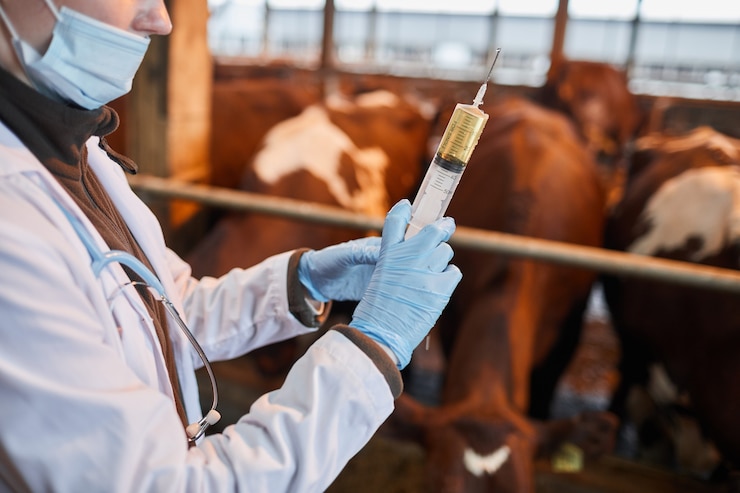
Antimicrobial resistance (AMR) is a growing concern in livestock farming worldwide. Overuse or misuse of antibiotics in animals can lead to bacteria developing resistance, making infections harder to treat. This not only affects animal health but also poses risks to human health through the food chain. Promoting responsible antibiotic use in livestock is essential to safeguard productivity, animal welfare, and public safety.
Livestock farmers commonly use antibiotics to prevent or treat infections in cattle, poultry, pigs, and other animals. While these medications are vital for animal health, inappropriate use can accelerate resistance. Examples include using antibiotics as growth promoters, administering incorrect dosages, or not completing prescribed treatment courses. Each of these practices gives bacteria a chance to adapt and survive, creating resistant strains that are harder to control.
Implementing responsible antibiotic practices starts with veterinary guidance. Farmers should consult qualified veterinarians before administering antibiotics and follow recommended dosages, timing, and withdrawal periods. Accurate record-keeping of treatments ensures that antibiotics are used appropriately and that residues do not enter the food supply. Vaccination, biosecurity measures, and good farm hygiene can also reduce the need for antibiotics by preventing disease outbreaks.
Monitoring and surveillance play a critical role in managing AMR. Farmers can track antibiotic usage and identify patterns of resistance in their herds or flocks. National programs often support laboratories and extension services to test for resistant strains and provide guidance on alternative treatments. Early detection allows farmers to adjust management practices, minimizing reliance on antibiotics and protecting animal health.
Education and training are key to sustainable livestock management. Farmers should stay informed about AMR risks, regulatory requirements, and best practices for disease prevention. Community awareness programs can reinforce the importance of responsible antibiotic use and encourage collaboration among livestock producers, veterinarians, and agricultural authorities.
Responsible use of antibiotics ensures that livestock remain healthy while reducing the risk of antimicrobial resistance. By combining veterinary oversight, proper management, and preventative measures, farmers can maintain productivity, protect animal welfare, and contribute to public health. Sustainable antibiotic practices today help secure the effectiveness of these vital medicines for future generations.
Join 'Farmers Mag' WhatsApp Channel
Get the latest Farming news and tips delivered straight to your WhatsApp
CLICK HERE TO JOIN




