Seed saving is a practical skill for South African farmers. Heirloom vegetable seeds adapt to local soil, climate and farming systems over time. When you save your own seed, you reduce costs and improve crop performance. You also protect planting material that works under local conditions.
Why Seed Saving Matters for Farmers
Farmers face rising input costs and climate pressure. Locally adapted heirloom vegetables often tolerate heat, dry periods and pests better than imported seed. Saving seed from your best plants strengthens these traits season after season. It also reduces dependence on commercial seed suppliers and improves long term planning.
Choosing the Right Crops for Seed Saving
Save seed only from open pollinated or heirloom varieties. These plants produce seed that remains true to type. Suitable crops include pumpkins, butternut, dry beans, cowpeas, traditional maize, tomatoes and leafy greens such as morogo. Avoid hybrid varieties because their seed produces uneven results.
Select strong plants for seed production. Focus on good yield, uniform growth and disease resistance. Mark these plants early so they are not harvested for sale or home use.
Understanding Pollination on the Farm
Pollination affects seed quality. Self pollinating crops such as tomatoes and beans are easy to manage. They rarely cross with other varieties. Cross pollinating crops like pumpkins and maize need more space and planning.
Grow only one variety of a cross pollinating crop at a time. You can also separate plantings by distance or flowering period. This prevents unwanted mixing and protects seed integrity.
Harvesting Seed at Full Maturity
Seeds must mature fully before harvest. For dry seeded crops like beans and cowpeas, allow pods to dry on the plant. Harvest before heavy rain to prevent mould. For wet seeded crops like tomatoes and pumpkins, wait until fruit is fully ripe.
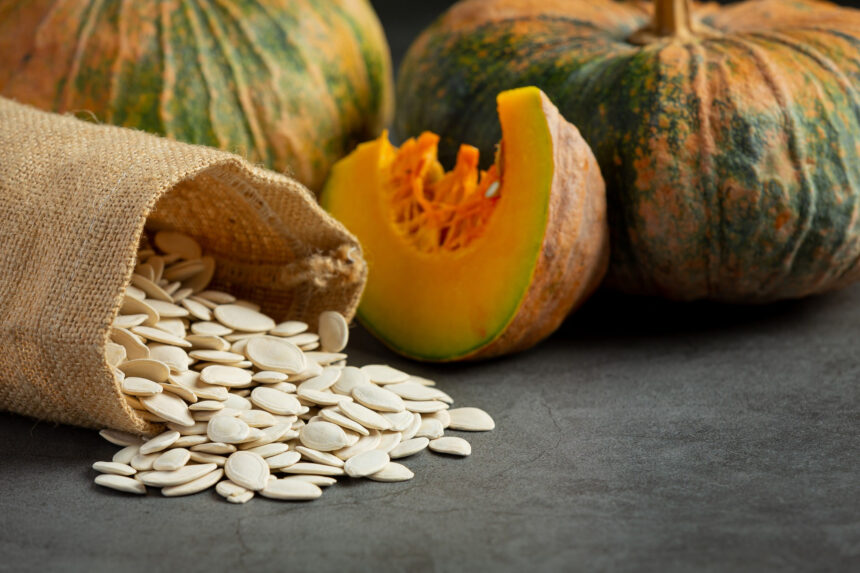
Extract seed carefully. Tomato seed needs fermentation in clean water for two to three days to remove the gel layer. Rinse well and dry completely. Pumpkin and squash seed should be washed clean and dried slowly in shade.
Drying and Storing Seed Correctly
Dry seed thoroughly before storage. Spread seed in thin layers on trays or cloth in a shaded, well ventilated area. Seed is dry when it snaps instead of bending.
Store seed in airtight containers such as glass jars or sealed tins. Keep them cool, dark and dry. Label each container with the crop name, variety and harvest year. Most vegetable seed remains viable for two to five years when stored well.
Testing Seed Before Planting
Test seed before planting, especially older stock. Place ten seeds on a damp cloth and keep them warm. If at least seven germinate, the seed is still reliable. This simple test helps prevent poor crop stands.
Building Strong Local Seed Systems
Seed saving works best when farmers share knowledge and material. Exchange seed with neighbours, cooperatives and community gardens. This builds diversity and keeps locally adapted varieties in circulation.
Seed saving gives you control over your planting material and your production costs. By selecting seed from strong, healthy heirloom vegetables, you build crops that perform better under your specific soil and climate conditions. This approach reduces reliance on external suppliers and lowers the risk linked to price increases and supply shortages.
For South African farmers, seed saving is also a long term investment. Each season of careful selection improves resilience, yield stability and pest tolerance. Over time, this creates seed that is better suited to local rainfall patterns and temperature extremes. These advantages translate into more reliable harvests and stronger farm profitability.
Beyond the farm gate, seed saving strengthens local agriculture. When farmers share seed and knowledge, they protect valuable genetic diversity and keep traditional crops in production. This practice supports food security, preserves agricultural heritage and builds a more resilient farming system for future generations.
Join 'Farmers Mag' WhatsApp Channel
Get the latest Farming news and tips delivered straight to your WhatsApp
CLICK HERE TO JOIN