

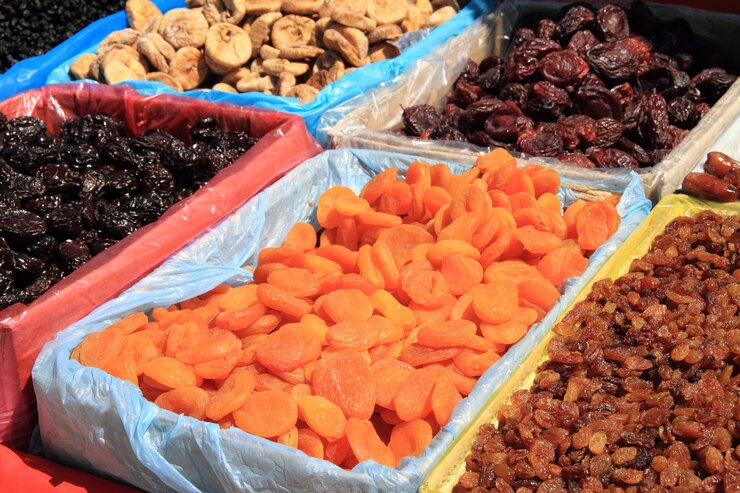
South African farmers face the dual challenge of reducing post-harvest losses while maximising profitability. One effective strategy is transforming leftover or unsold produce into value-added snacks. By processing surplus fruits and vegetables into dried chips, fruit leathers, or snack bars, farmers can extend shelf life, access new markets, and create additional income streams.
Dried fruit and vegetable chips are among the simplest and most profitable options. Leftover apples, bananas, sweet potatoes, or carrots can be washed, sliced, and dried using low-temperature dehydrators or solar dryers. This process concentrates natural sugars, enhances flavour, and creates a convenient snack that appeals to health-conscious consumers. Proper packaging in airtight, resealable bags ensures freshness and allows farmers to sell the products at farmers’ markets, grocery stores, or online.
Fruit leathers are another popular option. Surplus mangoes, guavas, or pawpaws can be pureed, lightly sweetened if needed, and spread in thin layers on trays to dry until they reach a chewy texture. These leathers can be cut into rolls or sheets, packaged attractively, and marketed as natural, preservative-free snacks. This approach reduces waste, maximises the use of overripe fruit, and meets growing consumer demand for healthy snack alternatives.
Snack bars are ideal for combining different types of leftover produce with nuts, seeds, and grains. Farmers can create energy or granola bars by blending dried fruits, roasted nuts, and a binding agent such as honey or peanut butter, then cutting them into convenient portions. These bars offer long shelf life, portability, and appeal to busy consumers seeking nutritious options.
To succeed, farmers must prioritise hygiene, quality, and consistent production. Surplus produce should be carefully sorted to remove damaged or mouldy items, and processing should follow food safety standards. Attractive packaging and clear labelling, including ingredients, storage instructions, and nutritional information, improve marketability and consumer trust.
Marketing is essential for profitability. Farmers can target local supermarkets, school tuck shops, online platforms, and tourism-oriented markets. Highlighting the sustainability aspect—turning surplus produce into snacks—resonates with eco-conscious consumers and adds value to the product story.
By turning leftover or unsold produce into chips, leathers, or snack bars, South African farmers can reduce waste, diversify income, and create new market opportunities. With minimal investment in equipment and thoughtful marketing, transforming surplus produce into profitable snacks is a practical step toward sustainable, resilient farming operations.
This approach not only boosts farm revenue but also supports national efforts to reduce food waste, strengthen rural economies, and provide healthier snack options to consumers.
Join 'Farmers Mag' WhatsApp Channel
Get the latest Farming news and tips delivered straight to your WhatsApp
CLICK HERE TO JOIN




